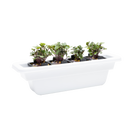
A hydroponic herb hummus recipe is exactly what it sounds like: a classic chickpea-based dip elevated with ultra-fresh herbs grown in a soil-free, water-based hydroponic system right inside your home. Instead of reaching for a plastic container of store-bought hummus topped with a sad sprig of parsley, you're blending in bright, living herbs — think basil, cilantro, dill, or chives — harvested minutes before you need them. The difference in flavor is immediate and unmistakable. This article walks you through everything: which herbs grow best hydroponically, how to set up your grow system, and a complete fresh herb dip recipe you'll make on repeat.
Why Homegrown Herb Hummus Tastes Better Than Store-Bought
There's a straightforward reason homegrown herb hummus hits differently. Aromatic compounds in fresh herbs — the oils that give basil its peppery sweetness or cilantro its citrusy punch — begin degrading the moment a plant is harvested. A study from the University of California, Davis found that some leafy vegetables and herbs can lose 15 to 50 percent of their nutritional value within one to three days of harvest under typical refrigeration conditions. By the time store-bought herbs reach your kitchen, they've often been in transit or cold storage for a week or more.
When you grow herbs hydroponically at home and harvest them directly into your food processor, you capture those volatile oils at their peak. The result is a dip that tastes sharper, brighter, and more complex — with no wilted edges or slimy stems to trim away.
Hydroponic plants also tend to grow faster than their soil-grown counterparts. NASA's Veggie project, which researches plant growth in controlled environments, has documented that hydroponic systems can produce crops up to 25 percent faster than conventional soil growing under optimized light and nutrient conditions. That means you're never more than a few days away from a fresh harvest for your next batch of indoor garden hummus.
The Best Herbs to Grow Hydroponically for Hummus
Not every herb suits hummus equally, and not every herb suits a hydroponic system equally. Here's a focused list of what works beautifully in both contexts:
- Basil: The most popular hydroponic herb for good reason. It thrives under grow lights, produces generous leaves quickly, and adds a sweet, slightly spicy note to hummus. Classic Genovese and lemon basil varieties both work well.
- Cilantro: A natural fit for hummus with Middle Eastern or Mexican flavor profiles. Cilantro prefers cooler temperatures and consistent moisture — both easy to control indoors.
- Dill: Underused in hummus, but outstanding. Fresh dill brings a feathery, anise-adjacent flavor that pairs especially well with lemon and garlic in the base recipe.
- Chives: Mild, oniony, and incredibly easy to grow hydroponically. Snip what you need without uprooting the plant, and it regrows within days.
- Parsley (flat-leaf): A classic garnish that also blends directly into the dip for an herbaceous green color and clean, grassy flavor.
- Mint: Use sparingly, but a small handful of fresh mint in hummus creates an unexpectedly refreshing finish — particularly good alongside roasted vegetables.
All of these herbs can be started from seed pods designed specifically for Rise Gardens systems, with pre-seeded, non-GMO options that take the guesswork out of germination.
How Does a Hydroponic System Work for Growing Herbs Indoors?
Hydroponics is a method of growing plants without soil. Instead of roots searching through dirt for water and minerals, hydroponic plants receive a precisely calibrated nutrient solution — water enriched with the minerals a plant needs — delivered directly to their root zone. This efficiency is why hydroponic herbs grow quickly and consistently.
The key variables in any hydroponic system are:
- pH: The measure of acidity or alkalinity in your nutrient solution. Most herbs thrive in a pH range of 5.5 to 6.5. Rise Gardens systems are designed to simplify pH management for home growers.
- EC (Electrical Conductivity): A measure of how concentrated your nutrient solution is. Higher EC generally means more nutrients in the water. Herbs are typically light feeders and prefer a lower EC than fruiting plants.
- Light: Indoor hydroponic gardens rely on full-spectrum LED grow lights to replace natural sunlight. Most herbs need 14 to 16 hours of light per day for optimal growth.
- Nutrients: Specialized liquid or powdered nutrients formulated for hydroponic systems provide everything from nitrogen and phosphorus to trace minerals like iron and calcium.
Rise Gardens takes the complexity out of this process with systems engineered for home use. The Personal Garden is a compact countertop unit ideal for anyone starting with a small herb selection — it fits neatly on a kitchen counter and can grow up to 12 plants at once. For larger harvests and more variety, the The Rise Garden 3 is a full-size, multi-tier system that gives you room to grow enough herbs to supply a season's worth of fresh herb dip recipes and then some.
The Complete Hydroponic Herb Hummus Recipe
This recipe is built around a traditional hummus base with a generous addition of fresh hydroponic herbs. It scales easily — double or triple the herb quantities based on your harvest and personal taste.
Ingredients
- 1 can (15 oz) chickpeas, drained and rinsed (reserve the liquid)
- 3 tablespoons fresh lemon juice (about 1 large lemon)
- 3 tablespoons tahini
- 1 small clove garlic, minced
- 2 tablespoons extra virgin olive oil, plus more for serving
- ½ teaspoon fine sea salt
- 2 to 3 tablespoons ice water (adjust for consistency)
- 1 cup loosely packed fresh herbs from your hydroponic garden — choose one or combine several: basil, cilantro, parsley, dill, chives, or mint
- Optional: ½ teaspoon cumin, pinch of cayenne
Instructions
- Peel the chickpeas if you want an especially silky texture — simply squeeze each one between your fingers and the skin slips off. This step is optional but worth it for special occasions.
- In a food processor, combine the tahini and lemon juice. Process for about 1 minute until the mixture is pale and creamy.
- Add the garlic, olive oil, salt, and cumin (if using). Process for another 30 seconds.
- Add half the chickpeas and process for 1 minute. Add the remaining chickpeas and process for another 1 to 2 minutes.
- With the processor running, drizzle in ice water one tablespoon at a time until the hummus reaches your preferred consistency — smooth and spreadable, not stiff.
- Add your fresh herbs. Process in short pulses for a flecked, textured finish, or blend fully for a vibrant green hummus. Taste and adjust lemon, salt, or garlic.
- Transfer to a serving bowl. Drizzle with olive oil, scatter a few whole herb leaves on top, and finish with a dusting of paprika or a crack of black pepper.
Herb Combinations to Try
- Classic Green: Flat-leaf parsley + chives + lemon zest
- Bright & Citrusy: Cilantro + lemon basil + a pinch of cumin
- Garden Fresh: Dill + chives + garlic
- Unexpected Favorite: Basil + mint + a squeeze of extra lemon
Store leftovers in an airtight container in the refrigerator for up to five days. Because you used genuinely fresh herbs, the flavor holds beautifully.
What Indoor Garden Setup Works Best for a Continuous Herb Harvest?
The secret to always having herbs on hand for your indoor garden hummus — or any recipe — is a staggered planting schedule called succession planting. Instead of starting all your herb pods at once, plant a few new pods every two to three weeks. That way, as one set of plants matures, another is already on its way.
For serious herb growers who want both volume and a beautiful piece of furniture, The Rise Loft is Rise Gardens' premium indoor garden with furniture-grade design — a floor-standing system that integrates into your living space and accommodates a wide variety of herbs and greens simultaneously. It's built for people who want a dedicated growing station, not just a countertop experiment.
According to the USDA Economic Research Service, Americans spend an average of $4.2 billion on fresh herbs annually. A home hydroponic system that produces fresh basil, cilantro, and parsley year-round represents a meaningful reduction in that household expense — not to mention the elimination of plastic packaging and food waste from wilted half-bunches.
A practical harvesting tip: always cut herbs just above a leaf node (the point where leaves branch from the stem) rather than stripping the plant bare. This encourages the plant to produce new growth from that node and extends your overall harvest by weeks.
Tips for Customizing Your Fresh Herb Dip Recipe
Once you've got the base hummus down and a steady supply of homegrown herb hummus ingredients growing in your indoor garden, you have enormous flexibility to experiment. Here are a few tested directions:
- Roasted Garlic Version: Swap raw garlic for a full head of roasted garlic. The sweetness balances bold herbs like cilantro or dill.
- White Bean Base: Replace chickpeas with cannellini beans for a creamier, milder base that lets delicate herbs like chives or lemon basil shine without competition.
- Avocado Boost: Blend in half a ripe avocado with your herbs for an extra-creamy texture and subtle richness.
- Spiced Up: Add harissa paste, roasted red pepper, or a teaspoon of smoked paprika to the base before adding herbs. Cilantro and parsley hold up especially well against bold spices.
- Herb Oil Swirl: Instead of blending all the herbs into the dip, blend half the herbs with olive oil separately to create a vivid green drizzle for serving.
The beauty of growing your own herbs is that you're never locked into using whatever the grocery store happened to stock this week. If your basil is thriving and your cilantro hasn't come in yet, you make basil hummus. If everything is ready at once, you blend them all together and discover something new.
Frequently Asked Questions
Can I use dried herbs instead of fresh in this hummus recipe?
You can, but the results are noticeably different. Dried herbs have a more concentrated, sometimes bitter flavor and lack the fresh brightness that makes homegrown herb hummus special. If substituting dried for fresh, use roughly one-third the amount called for in the recipe and add them with the garlic and tahini rather than at the end.
How long does it take to grow herbs hydroponically from seed?
Most culinary herbs reach a harvestable size within 3 to 5 weeks in a hydroponic system under proper grow lighting. Basil and chives tend to be among the fastest, while dill and cilantro can take a few extra days. Using pre-seeded seed pods with optimized germination media can shave several days off the early growth stage.
Do hydroponic herbs taste different from soil-grown herbs?
Many growers find that hydroponic herbs taste comparable or slightly more intense than soil-grown varieties, largely because the plants receive consistent, precise nutrition and water. The flavor profile is determined primarily by the variety and harvest timing. Herbs harvested just before flowering tend to have the most concentrated flavor, regardless of growing method.
Is hummus made with fresh herbs still good the next day?
Yes — in fact, the flavors often meld and deepen overnight as the herbs infuse into the chickpea base. Store it in an airtight container in the refrigerator with a thin layer of olive oil on top to prevent oxidation. It keeps well for up to five days and maintains its vibrant color if you used herbs like parsley or basil, which are stable when blended with the acidic lemon juice in the recipe.