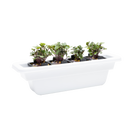
Hydroponic herb compound butter roasted acorn squash is a deeply satisfying fall recipe that pairs the sweet, nutty flavor of roasted acorn squash with a silky, herb-infused compound butter made entirely from fresh herbs you can grow indoors year-round. Compound butter is simply softened butter blended with aromatics — in this case, a generous handful of fresh herbs — that melts into roasted vegetables to create layers of flavor no dried herb blend can replicate. If you already grow herbs in an indoor hydroponic garden, this recipe is the most delicious proof of why fresh beats dried every single time.
Why Hydroponically Grown Herbs Make a Difference in This Recipe
Flavor in herbs is driven by essential oil content, and that content peaks when plants are harvested at just the right moment. Hydroponically grown herbs give you that control. Because hydroponic systems deliver water, oxygen, and nutrients directly to the root zone in a precisely managed solution, plants grow up to 30% faster than their soil-grown counterparts and often produce higher concentrations of aromatic compounds, according to research published by Cornell University's Controlled Environment Agriculture program.
For a recipe like hydroponic herb roasted squash, that difference is noticeable on the plate. Fresh rosemary clipped that morning carries a sharp, resinous intensity. Thyme harvested at peak growth has a floral, almost citrusy edge. Sage that hasn't sat in a plastic clamshell for two weeks actually tastes like sage. When those herbs are blended into compound butter and spread over acorn squash before roasting, the heat blooms their essential oils and infuses every bite.
A seed pods selection from Rise Gardens makes it easy to keep a rotating supply of rosemary, thyme, sage, and parsley growing on your countertop or in your living space. The key herbs for this recipe — rosemary, sage, thyme, and flat-leaf parsley — all thrive in hydroponic systems and are among the fastest to establish from seed pod to first harvest.
What Is Compound Butter and How Do You Make It with Fresh Hydroponic Herbs?
Compound butter is unsalted or lightly salted butter that has been softened to room temperature and then blended with flavor-forward ingredients — herbs, citrus zest, garlic, shallots, or spices — before being re-chilled or used immediately. It is a classical French technique used in restaurant kitchens to finish proteins and vegetables, and it is one of the simplest ways to carry the flavor of fresh herbs throughout an entire dish.
For this fresh herb compound butter squash recipe, you will need:
- 8 tablespoons (1 stick) unsalted butter, softened to room temperature
- 1 tablespoon fresh rosemary, finely minced (from your indoor garden)
- 1 tablespoon fresh sage, finely minced
- 1 teaspoon fresh thyme leaves, stripped from the stem
- 1 tablespoon flat-leaf parsley, finely chopped
- 2 cloves garlic, grated or minced
- 1 teaspoon lemon zest
- ½ teaspoon kosher salt
- ¼ teaspoon freshly cracked black pepper
Combine all ingredients in a bowl and mix thoroughly with a fork or spatula until uniform. Lay the butter mixture on a sheet of plastic wrap, roll it into a log shape, twist the ends to seal, and refrigerate for at least 30 minutes before using. The compound butter can be stored in the refrigerator for up to 1 week or frozen for up to 3 months.
Indoor Garden Acorn Squash Recipe: Step-by-Step Roasting Instructions
This indoor garden acorn squash recipe serves four as a side dish and comes together in under an hour. The roasting process caramelizes the natural sugars in the squash while the compound butter bastes each slice in herbed richness.
Ingredients:
- 2 medium acorn squash (about 1.5 lbs each)
- 3–4 tablespoons of your prepared hydroponic herb compound butter, sliced into rounds
- 1 tablespoon olive oil
- 1 tablespoon maple syrup or honey (optional, for added caramelization)
- Flaky sea salt and black pepper to finish
Instructions:
- Preheat your oven to 400°F (205°C) and line a large rimmed baking sheet with parchment paper.
- Halve each acorn squash lengthwise and scoop out the seeds with a spoon. Slice each half into ¾-inch half-moons or wedges. You should have 12–16 pieces total.
- Toss the squash pieces with olive oil, salt, and pepper, then arrange them in a single layer on the prepared baking sheet. Avoid crowding — spacing the pieces at least an inch apart allows moisture to escape and the edges to brown properly.
- Roast for 20 minutes, then flip each piece. Place a round of the herb compound butter on top of each piece of squash.
- Return to the oven and roast for another 15–20 minutes, until the squash is deeply golden, fork-tender, and the butter has melted and slightly caramelized around the edges.
- If using maple syrup, drizzle it over the squash in the final 5 minutes of cooking.
- Remove from the oven, finish with flaky sea salt and a few fresh herb leaves for garnish, and serve immediately.
According to the USDA FoodData Central database, one cup of baked acorn squash provides approximately 115 calories, 2.3 grams of fiber, and 899 milligrams of potassium — making it one of the more nutrient-dense autumn vegetables you can put on the table.
Which Herbs Grow Best in a Hydroponic Indoor Garden for Cooking?
Growing herbs hydroponically for savory recipes like this one is one of the most practical uses of an indoor garden system. Most culinary herbs are compact, fast-growing, and thrive in the nutrient-rich, pH-balanced water that hydroponic systems provide. Hydroponics refers to the method of growing plants without soil, using a water-based nutrient solution to deliver everything a plant needs directly to its roots.
For compound butter specifically, the following herbs are your most useful candidates:
- Rosemary: Loves the consistent moisture of hydroponics and grows vigorously indoors. Harvest woody sprigs from the outer growth to encourage bushiness.
- Thyme: One of the fastest herbs to establish in a hydroponic system. It reaches harvestable size within 3–4 weeks under good light conditions.
- Sage: Slightly slower to mature but rewards patience with broad, fragrant leaves that hold up beautifully in high-heat applications like roasting.
- Flat-leaf Parsley: A workhorse herb that produces abundant leaves and can be harvested repeatedly over many weeks.
- Chives: An excellent alternative or addition — their mild onion flavor complements squash without overpowering the other herbs.
Rise Gardens' nutrients are formulated specifically for the growth stages of leafy herbs and greens, ensuring your plants have access to the right balance of nitrogen, phosphorus, potassium, and micronutrients at every phase of growth. The electrical conductivity (EC) of your nutrient solution — a measure of dissolved mineral concentration — typically runs between 1.0 and 2.0 mS/cm for most culinary herbs, while the ideal pH range is 5.5 to 6.5 for optimal nutrient uptake.
NASA's Veggie project, which has studied plant growth in controlled environments aboard the International Space Station, has consistently documented that leafy herbs and greens are among the most reliable crops in closed-loop hydroponic systems — a finding that translates directly to your countertop garden at home.
How to Set Up Your Rise Gardens System to Grow Herbs Year-Round
One of the most common questions home cooks ask is how to maintain a continuous supply of fresh herbs without running to the grocery store before every recipe. The answer is succession planting — staggering the planting of new seed pods every 2–3 weeks so that as one plant matures and gets harvested, the next round is already several weeks into its growth cycle.
Rise Gardens offers three indoor garden systems that make this approach practical at any scale. If you cook frequently and want to grow a wide variety of herbs alongside leafy greens and other vegetables, The Rise Garden 3 provides a full-size, multi-tier system that supports a substantial plant count in a compact floor footprint. For households that want a premium option that functions as a piece of furniture as much as a garden, The Rise Loft is a beautifully designed system that fits naturally into living spaces and dining rooms — right where you want fresh herbs to be accessible. If you are newer to hydroponics or working with limited counter space, the Personal Garden is a compact countertop system that can comfortably support six to eight herb plants at a time, more than enough for consistent recipe use.
Studies from controlled environment agriculture researchers at the University of Arizona have found that hydroponic lettuce and herb crops can use up to 90% less water than conventionally grown field crops — a compelling data point for anyone thinking about the environmental footprint of their cooking ingredients.
All Rise Gardens systems are designed to work with the companion app, which walks you through planting schedules, tracks your plant growth timeline, and sends reminders when it is time to top off your nutrient reservoir or adjust your lighting schedule. For herbs destined for a recipe as simple and rewarding as fresh herb compound butter squash, that level of guided growing removes the guesswork entirely.
Serving Ideas and Variations for Hydroponic Herb Roasted Squash
Once you have mastered the base recipe for hydroponic herb compound butter roasted acorn squash, the variations are nearly endless. The compound butter formula is a template — swap the herb ratios, change the aromatics, and the dish transforms completely.
Variations worth trying:
- Brown butter herb version: Brown the butter in a small saucepan before blending it with herbs. The nutty, toasted milk solids add another dimension of richness that pairs exceptionally well with the squash's natural sweetness.
- Miso and herb compound butter: Add one teaspoon of white miso paste to the butter blend for a savory, umami-forward variation. Use chives and thyme as your primary herbs.
- Spiced herb butter: Add a pinch of smoked paprika, a quarter teaspoon of cumin, and a dash of cayenne to the butter for a warming, slightly smoky version that works well as a holiday side dish.
- Topped with crumble: Finish the roasted squash with a sprinkle of toasted pepitas, crumbled goat cheese, or pomegranate seeds for textural contrast and visual impact.
This dish works beautifully as a side alongside roasted chicken, pork tenderloin, or as the centerpiece of a vegetarian plate with a grain like farro or wild rice. Leftovers reheat well in a 350°F oven for about 10 minutes and can be repurposed as a filling for grain bowls or folded into a warm pasta.
Frequently Asked Questions
Can I grow acorn squash itself in a hydroponic indoor garden?
Acorn squash is a vining cucurbit that requires significant vertical space, pollination support, and high light intensity — it is better suited to outdoor or greenhouse hydroponic systems than a countertop garden. However, all the herbs used in this recipe grow exceptionally well in indoor hydroponic systems like Rise Gardens, giving you complete control over the most flavor-forward part of the dish.
How long does hydroponic herb compound butter last in the refrigerator?
Properly stored compound butter — rolled tightly in plastic wrap and placed in an airtight container — will keep in the refrigerator for up to 7 days. For longer storage, freeze individual portions for up to 3 months. Because hydroponically grown herbs are harvested fresh rather than having sat in transit, your compound butter will have a more vibrant flavor profile than one made with store-bought herbs.
What is the best pH for growing culinary herbs in a hydroponic system?
Most culinary herbs, including rosemary, thyme, sage, and parsley, thrive at a solution pH between 5.5 and 6.5. pH is a measure of the acidity or alkalinity of your nutrient solution, and keeping it in this range ensures that minerals like calcium, magnesium, and iron remain soluble and available to plant roots. Rise Gardens systems are designed to make pH monitoring straightforward, and the companion app provides guidance on adjustments.
Can I use this compound butter on vegetables other than acorn squash?
Absolutely. This hydroponic herb compound butter works beautifully on roasted butternut squash, sweet potatoes, carrots, beets, and Brussels sprouts. It also makes an excellent finishing butter for grilled corn, pan-seared mushrooms, or a slice of crusty sourdough. The formula scales easily — double the batch and keep one roll in the freezer for weeknight use.