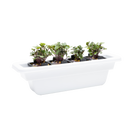
Hydroponic herb chimichurri roasted potatoes are exactly what they sound like: crispy, golden roasted potatoes coated in a vibrant, herb-packed chimichurri sauce made entirely from fresh herbs you grew yourself indoors. Chimichurri is a classic Argentine condiment built on a foundation of flat-leaf parsley, oregano, garlic, olive oil, red wine vinegar, and red pepper flakes — and when those herbs come straight from your countertop hydroponic garden, the flavor difference is nothing short of remarkable. This recipe turns a humble side dish into a showstopper, and the best part is that you control every ingredient from seed to plate.
Why Homegrown Hydroponic Herbs Make Better Chimichurri
Store-bought parsley and oregano can sit in refrigerated transit for days before reaching your produce aisle. Hydroponic herbs, by contrast, are harvested and used within minutes or hours. That gap matters enormously for flavor because the volatile aromatic compounds responsible for that bright, grassy punch in fresh parsley — compounds like myristicin and terpinolene — begin degrading the moment a stem is cut.
According to the USDA Agricultural Research Service, fresh leafy herbs can lose 15–50% of their volatile aromatic content within 48 hours of harvest at typical refrigeration temperatures. Growing your own and harvesting right before you cook means you're capturing herbs at their absolute peak. Hydroponic systems also allow you to control nutrient levels precisely. Plants grown in a well-managed nutrient solution with an electrical conductivity (EC) of 1.6–2.0 mS/cm for herbs tend to produce dense, flavorful foliage with higher essential oil concentrations than field-grown counterparts raised in variable soil conditions.
If you're ready to grow the freshest possible herbs at home, the Personal Garden is a compact countertop system that fits neatly on a kitchen counter and supports up to 9 pods at once — plenty of room to keep a steady rotation of parsley, oregano, and cilantro on hand year-round.
What Herbs Do You Need for Indoor Garden Chimichurri Sauce?
A classic indoor garden chimichurri sauce relies on just a handful of fresh herbs, but the quality of each one directly shapes the final flavor profile. Here's what you'll want growing in your system before you start this recipe:
- Flat-leaf (Italian) parsley — The backbone of chimichurri. You'll use a full cup of tightly packed leaves, so keep at least two to three plants going. Parsley is one of the fastest-growing herbs in a hydroponic setup, typically reaching harvest-ready size in 25–30 days from transplant.
- Fresh oregano — Adds an earthy, slightly peppery note that dried oregano simply can't replicate. Use ¼ cup of fresh leaves. Oregano thrives under LED grow lights at 16 hours of light per day.
- Cilantro (optional) — Some chimichurri variations swap half the parsley for cilantro, yielding a brighter, citrusy edge. Cilantro grows quickly in hydroponics but bolts fast in warm conditions, so harvest young leaves frequently.
- Garlic chives or fresh garlic — Fresh garlic is traditional, but hydroponic garlic chives add a milder, more nuanced allium flavor if you prefer something less pungent.
All of these herbs are available as Rise Gardens seed pods, pre-seeded and ready to drop directly into your garden system — no soil, no mess, no guesswork.
How to Grow Hydroponic Parsley for This Recipe
A successful hydroponic parsley recipe starts well before you pick up a knife. Parsley (Petroselinum crispum) is a biennial herb that germinates slowly — typically 14–21 days — but once established, it grows vigorously in a hydroponic system and can be harvested repeatedly for months by cutting outer stalks first and allowing the center crown to continue producing.
Here are the key growing parameters for hydroponic parsley:
- pH: 6.0–7.0 (pH measures the acidity or alkalinity of your nutrient solution on a scale of 0–14; parsley performs best in a slightly acidic to neutral range)
- EC: 0.8–1.8 mS/cm (EC, or electrical conductivity, measures how concentrated your nutrient solution is — a proxy for how much food your plant has available)
- Light: 14–16 hours per day under full-spectrum LED grow lights
- Temperature: 65–75°F for optimal leaf production
- Time to first harvest: Approximately 70–90 days from seed; 25–35 days if starting from a transplant pod
NASA's Veggie project, which has studied plant growth in controlled environments since 2014, confirmed that leafy herbs grown under optimized LED lighting in hydroponic systems produce yields comparable to or exceeding greenhouse-grown counterparts, while using up to 90% less water than traditional soil agriculture. That efficiency makes indoor hydroponic gardening not just convenient, but genuinely sustainable.
To keep your parsley producing long enough for multiple batches of this recipe, feed your plants with properly balanced nutrients formulated for leafy herbs. Rise Gardens nutrients are calibrated for the specific needs of herb and vegetable crops grown under LED lighting indoors.
Hydroponic Herb Chimichurri Roasted Potatoes: The Complete Recipe
This recipe serves 4 as a side dish. Total active time is about 20 minutes; total cook time is 40–45 minutes.
Ingredients
For the roasted potatoes:
- 2 lbs Yukon Gold or baby potatoes, halved or quartered
- 3 tablespoons extra-virgin olive oil
- 1 teaspoon kosher salt
- ½ teaspoon black pepper
- ½ teaspoon smoked paprika
For the indoor garden chimichurri sauce:
- 1 cup tightly packed fresh flat-leaf parsley (from your hydroponic garden)
- ¼ cup fresh oregano leaves (from your hydroponic garden)
- 3 cloves garlic, roughly chopped
- ¼ cup extra-virgin olive oil
- 2 tablespoons red wine vinegar
- ½ teaspoon red pepper flakes (adjust to taste)
- ½ teaspoon kosher salt
- ¼ teaspoon black pepper
Instructions
- Preheat your oven to 425°F. Line a large rimmed baking sheet with parchment paper.
- Prep the potatoes. Toss halved potatoes with olive oil, salt, pepper, and smoked paprika until evenly coated. Spread in a single layer on the prepared baking sheet, cut side down.
- Roast for 35–40 minutes, flipping once at the 20-minute mark, until deeply golden and crispy on the cut sides. Do not crowd the pan — airflow is what creates the crust.
- Make the chimichurri. While potatoes roast, harvest your parsley and oregano. Rinse briefly and pat dry. Combine parsley, oregano, garlic, olive oil, red wine vinegar, red pepper flakes, salt, and pepper in a food processor. Pulse 8–10 times until finely chopped but not pureed — chimichurri should have texture, not be a smooth sauce. Taste and adjust seasoning.
- Dress and serve. Transfer hot roasted potatoes to a serving bowl or platter. Spoon chimichurri generously over the top and toss lightly to coat. Serve immediately, with extra chimichurri on the side.
Tips for the Best Results
- Harvest your parsley in the morning — herb volatile oil content is typically highest before midday heat causes evaporation.
- Let chimichurri rest for 10 minutes before using. The garlic mellows slightly and the flavors integrate beautifully.
- Chimichurri keeps refrigerated for up to 5 days. A thin layer of olive oil on top prevents oxidation and browning.
- This sauce doubles as a marinade for chicken, steak, or roasted vegetables — make extra.
Which Rise Gardens System Is Best for Growing Chimichurri Herbs?
The answer depends on how seriously you want to commit to homegrown herb roasted potatoes as a regular part of your cooking rotation — and how much counter or floor space you're working with.
For someone who primarily wants herbs for cooking, the Personal Garden is the most practical starting point. It supports up to 9 pods simultaneously, which means you can grow parsley, oregano, cilantro, and basil all at once without dedicating significant kitchen real estate to the project. The integrated LED lighting system and self-circulating water reservoir make maintenance genuinely low-effort.
If your ambitions extend beyond herbs — into lettuces, cherry tomatoes, peppers, or microgreens alongside your chimichurri staples — the The Rise Garden 3 gives you a full-size, multi-tier growing system that can support dozens of plants across multiple growth stages simultaneously. It's designed for households that want to produce a meaningful portion of their fresh produce indoors, year-round.
For those who want all of that capacity without sacrificing aesthetics, The Rise Loft is a premium indoor garden with furniture-grade design that integrates beautifully into living spaces. It holds up to 36 pods and looks intentional rather than industrial — a real feature if your garden is going to live in a dining room or open kitchen layout.
A 2021 survey by the Garden Media Group found that 67% of new home gardeners cited cooking with homegrown produce as their primary motivation for starting a garden. If that resonates, any of these systems gets you there far faster than an outdoor garden — most herbs reach first harvest within 3–6 weeks of planting.
How to Scale This Recipe for Meal Prep and Entertaining
One of the underappreciated advantages of growing herbs hydroponically is consistency. Unlike a seasonal outdoor garden, your indoor system produces year-round, which means you can plan meals around fresh herb availability rather than working around what survived the last cold snap.
For meal prep, make a double batch of chimichurri on Sunday. Store it in a sealed glass jar in the refrigerator and use it across the week: spooned over roasted potatoes on Monday, tossed with pasta on Wednesday, brushed over grilled chicken on Friday. A single cup of parsley and a quarter cup of oregano — one good harvest from even a small hydroponic setup — yields enough chimichurri for 6–8 servings of sauce.
For entertaining, this dish scales beautifully. Roast potatoes on two sheet pans (don't crowd them), make chimichurri in a food processor in two batches, and you can feed 10–12 people with essentially the same effort as feeding four. The dramatic green color of fresh chimichurri on golden potatoes makes it one of the most visually striking side dishes you can put on a table.
Research published through the University of Florida IFAS Extension confirms that herbs grown in controlled-environment hydroponic systems maintain consistent flavor profiles across harvests when nutrient solutions and lighting schedules are kept stable — which is exactly what a well-managed indoor garden system delivers automatically.
Frequently Asked Questions
Can I use dried herbs instead of fresh hydroponic herbs for chimichurri?
Technically yes, but the result will be noticeably different. Chimichurri is a raw sauce where fresh herb flavor is the entire point — dried parsley and oregano lack the volatile aromatic oils that give the sauce its brightness and grassy punch. If fresh herbs aren't available, the closest substitute would be fresh flat-leaf parsley from a grocery store combined with dried oregano at a 1:3 ratio (1 teaspoon dried for every tablespoon fresh called for).
How often can I harvest parsley from my hydroponic garden?
Once parsley reaches a height of 6–8 inches, you can harvest outer stalks every 7–10 days without stressing the plant. Always leave the inner crown intact so the plant continues producing. A single healthy hydroponic parsley plant can provide 3–4 harvests per month under ideal conditions, yielding roughly ½ to 1 cup of packed leaves per harvest depending on plant maturity.
What potatoes work best for chimichurri roasted potatoes?
Yukon Gold potatoes are the top choice because their naturally buttery, creamy interior contrasts beautifully with a crispy roasted exterior and the acidic, herby chimichurri. Baby potatoes (red or mixed) also work well because their thin skin crisps quickly and their small size means no peeling required. Russets can work but tend to become fluffy rather than creamy inside, which changes the texture balance of the dish.
What is hydroponics, and why does it produce better-tasting herbs?
Hydroponics is a method of growing plants without soil, delivering water and dissolved nutrients directly to plant roots in a controlled solution. Because plants in hydroponic systems don't expend energy searching for nutrients through soil, they direct more resources into leaf and flavor compound production. Studies from controlled-environment agriculture programs have shown that hydroponic herbs can contain higher concentrations of polyphenols and essential oils compared to conventionally grown field crops, which translates directly to more intense, complex flavor in the kitchen.