There's a moment in cooking when a dish stops being good and becomes genuinely memorable — and this hydroponic herb compound butter roasted duck recipe is exactly that kind of dish. Compound butter is simply softened butter blended with fresh herbs, aromatics, and seasoning, then used to baste and roast meat to golden, fragrant perfection. When those herbs come straight from your own indoor hydroponic garden — harvested minutes before you cook — the flavor difference is striking and real. This recipe is your complete guide to growing the herbs, making the butter, and roasting a beautiful duck breast that will become a staple in your kitchen rotation.
Why Fresh Hydroponic Herbs Make a Measurable Difference in This Duck Recipe
The science behind why fresh herbs outperform dried ones is well documented. Aromatic compounds like thymol in thyme, linalool in tarragon, and menthol in mint are volatile — they begin degrading the moment a plant is cut. A dried herb sitting in a jar can lose up to 70% of its essential oil content within six months, according to food chemistry research, which translates directly to less flavor in your finished dish.
Hydroponic herbs take freshness even further. Because hydroponic systems deliver water, oxygen, and nutrients directly to plant roots in a controlled indoor environment, plants can grow up to 30–50% faster than their soil-grown counterparts — a fact supported by research from the University of Arizona's Controlled Environment Agriculture Center. That rapid growth means vibrant, potent leaves with higher concentrations of flavor-active compounds at the time of harvest.
For a rich, fatty protein like duck, those intense herbal notes are not a luxury — they're essential. The brightness of fresh tarragon, the piney depth of rosemary, and the peppery bite of fresh thyme cut right through the rendered fat and give the dish balance and complexity. Growing those herbs at home with a system like The Rise Garden 3 means you have a reliable, year-round supply regardless of what's available at the grocery store.
Which Herbs Should You Grow for Herb Roasted Duck Breast?
Choosing the right herbs for a hydroponic herb duck recipe is part strategy, part personal preference. Duck has a bold, gamey richness that pairs best with herbs that can stand up to it — delicate basil, for instance, tends to get lost. Here's what works best and why:
- French Tarragon: The classic duck pairing. Its anise-like flavor is savory and complex and doesn't compete — it complements. Use it generously in your compound butter.
- Fresh Thyme: Earthy, slightly floral, and structurally robust enough to survive a hot oven. A cornerstone of any herb roasted duck breast preparation.
- Rosemary: Use it sparingly — a little goes a long way. Its resinous, piney character adds depth when balanced with other herbs.
- Flat-Leaf Parsley: Acts as a flavor bridge. It softens the more assertive herbs and adds a clean, green freshness to the compound butter.
- Chives: A gentle onion note that rounds out the butter without overpowering. Chives grow exceptionally well in hydroponic systems and produce continuously with regular trimming.
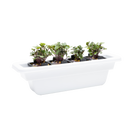
All five of these herbs are available as seed pods for Rise Gardens systems, and they thrive under grow lights in a nutrient-rich hydroponic setup. If you're working with a smaller kitchen footprint, the Personal Garden is a compact countertop system that can comfortably support three to four herb varieties at once — more than enough for this recipe.
How Do You Make Hydroponic Herb Compound Butter?
Compound butter sounds chef-level technical, but the process is straightforward. The key is using room-temperature butter so it blends smoothly, and truly fresh herbs so the flavor is vivid rather than muddy.
Ingredients for the Compound Butter
- 1 stick (8 tablespoons) unsalted butter, softened to room temperature
- 2 tablespoons fresh tarragon leaves, finely chopped
- 1 tablespoon fresh thyme leaves, stems removed
- 1 teaspoon fresh rosemary, very finely minced
- 2 tablespoons fresh flat-leaf parsley, finely chopped
- 1 tablespoon fresh chives, thinly sliced
- 2 cloves garlic, minced or pressed
- 1 teaspoon flaky sea salt
- ½ teaspoon freshly cracked black pepper
- 1 teaspoon lemon zest
Method
- Add the softened butter to a medium bowl. Using a fork or rubber spatula, begin working it until smooth and spreadable.
- Add all chopped herbs, garlic, salt, pepper, and lemon zest. Fold everything together until evenly incorporated and the butter has taken on a green-flecked, fragrant appearance.
- Taste and adjust seasoning. The butter should taste bold because it will be diluted slightly during cooking.
- Lay a sheet of plastic wrap on your counter, spoon the butter into a log shape near the bottom edge, and roll it into a tight cylinder. Twist the ends to seal.
- Refrigerate for at least 30 minutes, or freeze for up to 3 months. Slices cut from the frozen log can go directly onto hot duck breast right out of the oven.
The Complete Hydroponic Herb Compound Butter Roasted Duck Recipe
This indoor garden duck recipe works beautifully with skin-on duck breasts, which are widely available at specialty grocery stores and butcher shops. The two-stage cooking method — scoring the fat, rendering it in a cold pan, then finishing in the oven — produces crispy skin and a perfectly pink interior every time.
Ingredients (Serves 2)
- 2 skin-on duck breasts (approximately 6–8 oz each)
- 1 full recipe hydroponic herb compound butter (above), divided
- Kosher salt and cracked black pepper
- 1 teaspoon neutral oil (optional, for the pan)
Instructions
- Score the fat: Using a sharp knife, score the duck skin in a crosshatch pattern, cutting through the fat but not into the meat. This allows the fat to render properly and the butter to penetrate the meat. Pat both sides dry with paper towels.
- Season generously: Season the flesh side with kosher salt and pepper. Let the breasts rest at room temperature for 20 minutes while you preheat your oven to 400°F (205°C).
- Render the fat: Place the duck breasts skin-side down in a cold, oven-safe skillet (cast iron works best). Turn the heat to medium. Allow the fat to render slowly for 8–10 minutes, pouring off excess fat as it accumulates. The skin should turn deep golden and very crispy.
- Baste with compound butter: Flip the breasts flesh-side down. Add 2 tablespoons of your hydroponic herb compound butter to the pan. As it melts, tilt the pan and spoon the foaming butter over the duck continuously for 1–2 minutes.
- Finish in the oven: Transfer the skillet to the oven and roast for 6–8 minutes for medium (internal temperature of 135°F/57°C) or 9–11 minutes for medium-well (145°F/63°C). The USDA recommends cooking duck to a minimum internal temperature of 165°F (74°C) for food safety; adjust roasting time accordingly based on your preference and the guidance of a calibrated meat thermometer.
- Rest and serve: Remove from the oven and let the duck rest for 5 minutes. Slice across the grain and top each portion with a thick round of chilled compound butter. The residual heat will melt it into a glossy, herb-flecked sauce right on the plate.
Serving Suggestions
This hydroponic herb duck pairs well with roasted root vegetables, creamy polenta, or a simple watercress salad dressed with lemon and olive oil. A sprig of fresh thyme harvested from your garden makes a clean, honest garnish.
How to Set Up Your Indoor Garden for a Year-Round Herb Supply
The most consistent way to guarantee fresh herbs for recipes like this one is to grow them indoors under controlled conditions. Hydroponic systems use no soil — instead, plant roots grow in a water-based nutrient solution that delivers everything the plant needs directly. Because there's no soil to buffer or slow nutrient delivery, plants respond faster, grow more consistently, and can be harvested more frequently than soil-grown herbs.
NASA's Veggie project, which has grown food aboard the International Space Station since 2014, relies on hydroponic and aeroponic growing principles for exactly this reason: controlled inputs produce predictable, reliable outputs. The same logic applies in your kitchen. When you control light cycles, water pH (ideally 5.5–6.5 for most herbs), and nutrient concentration (measured in EC, or electrical conductivity, typically 1.2–2.0 mS/cm for culinary herbs), you get consistent, harvestable growth week after week.
For home cooks who want a serious herb garden without dedicating floor space, The Rise Loft is a premium indoor garden with a furniture-grade design that fits naturally into a living room, dining room, or kitchen. It supports multiple growing levels and enough variety to keep tarragon, thyme, rosemary, parsley, and chives all growing simultaneously. Pair it with the right nutrients formulated for leafy herbs, and you'll have a harvest-ready supply within a few weeks of planting.
A few practical growing tips for the herbs in this recipe:
- Thyme and rosemary prefer slightly lower humidity and benefit from good airflow. Trim them regularly to prevent woodiness.
- Tarragon is a slower starter but a prolific producer once established. Avoid overwatering — it prefers its roots on the drier side of moist.
- Parsley and chives are the workhorses of any herb garden. They germinate quickly, grow fast, and regrow vigorously after cutting. Harvest the outer leaves first to encourage continued production.
Frequently Asked Questions
Can I use dried herbs instead of fresh hydroponic herbs in compound butter?
You can, but the flavor result will be noticeably different. Dried herbs have lost most of their volatile aromatic oils, so you'll need roughly one-third the quantity and should expect a more muted, earthier flavor profile. For compound butter specifically — where the herb flavor is the central feature — fresh herbs harvested from an indoor hydroponic garden will produce a significantly more vibrant, complex result.
What is the best internal temperature for duck breast?
The USDA recommends cooking all poultry, including duck, to a minimum internal temperature of 165°F (74°C) to ensure food safety. Many chefs and culinary traditions serve duck breast at 135–145°F for a pink interior, which is a personal preference decision. Always use a calibrated instant-read meat thermometer inserted into the thickest part of the breast for an accurate reading.
How long does hydroponic herb compound butter last?
Wrapped tightly in plastic wrap or stored in an airtight container, herb compound butter lasts up to 2 weeks in the refrigerator. For longer storage, freeze it in a log shape for up to 3 months — slice off individual rounds as needed directly from frozen. Label the log with the date and herb combination so you can track freshness.
Which Rise Gardens system is best for growing herbs for cooking?
The right system depends on how many herb varieties you want to grow simultaneously. The Personal Garden is ideal for a focused selection of three to four herbs on a countertop. If you want a larger variety — enough to always have tarragon, thyme, rosemary, chives, and parsley ready at the same time — the The Rise Garden 3 or The Rise Loft offer more growing capacity and a design that integrates beautifully into living spaces.