This hydroponic herb compound butter pasta recipe transforms a handful of freshly harvested basil, chives, thyme, and parsley into a silky, aromatic sauce that coats every strand of pasta in pure herby richness. Compound butter — softened butter blended with fresh herbs, garlic, and seasoning — is one of the oldest and most rewarding ways to showcase homegrown flavors, and when your herbs come from a hydroponic indoor garden, the difference in intensity and freshness is immediately noticeable. Hydroponically grown herbs are cultivated in a nutrient-rich water solution rather than soil, which allows them to grow up to 30% faster than their soil-grown counterparts and often yields higher concentrations of essential oils — the compounds responsible for that vibrant, punchy flavor you taste the moment you snap a sprig.
Why Hydroponic Herbs Make the Best Compound Butter
The secret to an exceptional compound butter is herb quality, and hydroponic herbs consistently deliver. Because plants grown in a controlled indoor hydroponic system receive precisely calibrated nutrients — the mineral elements like nitrogen, phosphorus, potassium, calcium, and magnesium that drive plant growth — and ideal light cycles, they develop dense, flavorful foliage without the variability of outdoor weather or soil conditions.
According to a study published by the University of Arizona's Controlled Environment Agriculture Center, hydroponically grown herbs can contain measurably higher levels of volatile aromatic compounds compared to field-grown equivalents grown in less controlled conditions. That translates directly to your kitchen: more aroma, more complexity, and a compound butter that genuinely tastes like something special rather than a store-bought afterthought.
For this indoor garden pasta recipe, the combination of basil, flat-leaf parsley, fresh thyme, and chives works beautifully. Each herb contributes something distinct — basil brings a sweet, peppery backbone; parsley adds brightness and a clean finish; thyme contributes earthy depth; and chives deliver a mild onion note that lifts the whole dish. You can absolutely customize the blend based on what's thriving in your garden at the moment.
What Herbs Should You Grow for Fresh Herb Butter Noodles?
If you're planning your indoor garden with this recipe in mind, focus on the herbs that perform best in hydroponic conditions and have the biggest impact on fresh herb butter noodles.
- Basil (Genovese or Sweet) — The fastest-growing culinary herb in a hydroponic system. Thrives under full-spectrum LED grow lights and produces heavy harvests when topped regularly. Essential for compound butter.
- Flat-Leaf Parsley — Slower to establish but incredibly productive once it gets going. Rich in chlorophyll and flavor compounds that hold up well when blended into butter.
- Thyme — A compact, woody herb that loves the consistent environment of an indoor hydroponic setup. Its essential oils intensify the longer you grow it.
- Chives — One of the easiest herbs to grow hydroponically. Chives regenerate quickly after cutting, making them a reliable staple in any indoor garden pasta recipe.
- Oregano — Optional but excellent in this recipe if you want a more Mediterranean character in your homegrown herb pasta sauce.
All of these herbs are available as seed pods for Rise Gardens systems, pre-seeded and ready to drop into your garden so you can be harvesting in as little as three to four weeks.
The Hydroponic Herb Compound Butter Pasta Recipe
This recipe serves four and takes about 30 minutes from harvest to plate. The compound butter can be made up to a week ahead and stored in the refrigerator, making it one of the most practical homegrown herb pasta sauce strategies you can have in your rotation.
Ingredients
For the compound butter:
- 1 stick (½ cup / 113g) high-quality unsalted butter, softened to room temperature
- ¼ cup fresh basil leaves, finely chopped (from your hydroponic garden)
- 2 tablespoons flat-leaf parsley, finely chopped
- 1 tablespoon fresh thyme leaves, stripped from stems
- 2 tablespoons fresh chives, thinly sliced
- 2 cloves garlic, minced or pressed
- 1 teaspoon fresh lemon zest
- ½ teaspoon fine sea salt
- ¼ teaspoon freshly cracked black pepper
- Pinch of red pepper flakes (optional)
For the pasta:
- 1 pound (450g) pasta — linguine, spaghetti, or tagliatelle all work beautifully
- 1 cup reserved pasta cooking water
- ½ cup finely grated Parmigiano-Reggiano, plus more for serving
- Flaky sea salt for finishing
- Extra fresh herbs for garnish
Instructions
- Make the compound butter. In a medium bowl, combine softened butter with all chopped herbs, garlic, lemon zest, salt, pepper, and red pepper flakes if using. Use a fork or rubber spatula to mix thoroughly until every ingredient is evenly distributed. Taste and adjust seasoning. Transfer to a sheet of parchment paper, shape into a log, roll tightly, and refrigerate for at least 20 minutes to firm up. If using immediately, you can skip the rolling step and use it straight from the bowl.
- Cook the pasta. Bring a large pot of water to a rolling boil. Salt it generously — the water should taste pleasantly salty, like mild seawater. Cook pasta according to package directions until al dente. Before draining, scoop out at least 1 cup of pasta cooking water and set aside.
- Build the sauce. Drain pasta and return it to the warm pot over very low heat. Add 4 to 5 tablespoons of compound butter and toss vigorously. Add pasta water, a splash at a time, tossing continuously to emulsify the butter into a glossy, creamy sauce. The starch in the pasta water is what binds everything together — this is the technique that separates a genuinely silky fresh herb butter noodles dish from a greasy one.
- Finish and serve. Remove from heat. Add grated Parmigiano-Reggiano and toss once more. Divide into warmed bowls, finish with flaky salt, a few extra fresh herb leaves, and another grate of cheese. Serve immediately.
Make-Ahead Tips
The compound butter keeps wrapped in parchment in the refrigerator for up to 7 days and in the freezer for up to 3 months. Slice off rounds directly from the frozen log and add them to hot pasta straight from the freezer — no thawing required.
How Does Growing Herbs Hydroponically at Home Change What's Possible in the Kitchen?
The answer is simple: it removes the gap between inspiration and execution. When you want to make this homegrown herb pasta sauce at 6 PM on a Tuesday, you don't need to check what's at the grocery store or worry about a half-dead bunch of parsley wilting in your crisper drawer. You walk to your garden, harvest exactly what you need, and cook.
NASA's Veggie project — the space agency's ongoing research into growing food in microgravity environments — has consistently highlighted the psychological and nutritional benefits of growing food in controlled indoor environments. Astronauts on the International Space Station reported improved mood and a stronger sense of wellbeing after consuming freshly grown greens, findings that parallel what home growers report: there is something deeply satisfying about eating food you've grown yourself, even when you're doing it on a kitchen countertop rather than in low Earth orbit.
From a purely practical standpoint, a 2020 analysis found that fresh herbs purchased in grocery stores lose between 40% and 60% of their volatile aromatic compounds within 48 hours of harvest at room temperature. Growing your own means zero transit time — herbs go from plant to cutting board to pan, and every aromatic compound stays where it belongs: in your food.
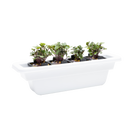
The Personal Garden is a compact countertop hydroponic system that holds up to 12 plant pods — more than enough space to maintain a continuous supply of basil, parsley, thyme, chives, and a bonus herb or two, all within arm's reach of your stove. If you want to expand your growing capacity and have more flexibility for larger harvests, the The Rise Garden 3 is a full-size indoor hydroponic garden system that accommodates up to 36 pods across three tiers, giving you the volume to grow culinary herbs alongside salad greens, edible flowers, and more.
Variations and Flavor Pairings to Explore
Once you've mastered the base hydroponic herb compound butter pasta recipe, there are dozens of directions to take it.
- Brown butter version: Melt the compound butter in a light-colored skillet until the milk solids turn golden and nutty before adding your pasta. The brown butter amplifies every herbal note and adds a roasted, caramel depth that's extraordinary with thyme-forward blends.
- Add protein: Seared scallops, grilled shrimp, or a simple soft-boiled egg all pair exceptionally well with this fresh herb butter noodles base.
- Citrus forward: Double the lemon zest and add a squeeze of lemon juice at the end for a brighter, more acidic profile — particularly good in spring when your basil and chives are at peak production.
- Tarragon and chervil butter: If you're growing French herbs, substitute tarragon and chervil for the basil and thyme for a more delicate, anise-scented compound butter that's exceptional with egg pasta.
- Spicy calabrian: Add a teaspoon of Calabrian chili paste to the compound butter for heat and fruity pepper complexity.
For gardeners with space for a larger setup, The Rise Loft is a premium indoor garden with furniture-grade design that integrates beautifully into living spaces — allowing you to grow an even wider variety of culinary plants year-round without sacrificing aesthetics.
Getting Your Hydroponic Garden Ready for Cooking
A productive culinary herb garden requires a few consistent habits beyond simply planting and waiting. Understanding a couple of key growing metrics will help you get the most flavorful harvests possible.
pH — the measure of acidity or alkalinity in your nutrient solution — should sit between 5.5 and 6.5 for most culinary herbs. Outside this range, plants struggle to absorb nutrients even when those nutrients are present in adequate concentrations. Rise Gardens systems are designed to maintain stable pH with minimal intervention, but checking periodically ensures your herbs are always performing at their best.
EC (electrical conductivity) measures the concentration of dissolved nutrients in your water solution. For leafy herbs grown primarily for flavor, a moderate EC range of 1.6 to 2.2 mS/cm tends to produce dense, aromatic foliage without pushing the plant toward excessive vegetative growth at the expense of essential oil production.
Replenishing your nutrients on a regular schedule — Rise Gardens recommends topping off your reservoir weekly and doing a full nutrient refresh every two to three weeks — keeps your herb garden in continuous production so you always have what you need for recipes like this one.
Harvest herbs in the morning when essential oil concentrations are highest, use clean scissors or snips to avoid bruising stems, and harvest no more than one-third of the plant at a time to ensure rapid regrowth. With consistent care, a well-maintained indoor garden can supply enough herbs for multiple recipe sessions every single week.
Frequently Asked Questions
Can I use dried herbs instead of fresh for compound butter pasta?
Dried herbs will work in a pinch, but the result is noticeably different. Fresh herbs contain volatile aromatic compounds and chlorophyll that create brightness and complexity in compound butter; dried herbs are more concentrated in some flavor dimensions but lack that fresh, green character. If you must substitute, use one-third the quantity of dried herb for every tablespoon of fresh called for, and bloom the dried herbs in the warm butter for 30 seconds before mixing to reactivate their aromatics.
How long does hydroponic herb compound butter last in the refrigerator?
Properly made compound butter wrapped tightly in parchment or stored in an airtight container will keep in the refrigerator for up to 7 days. The butter acts as a natural preservative for the herbs. For longer storage, freeze the compound butter log for up to 3 months — slice rounds directly from frozen and add to hot pasta without thawing.
Which pasta shapes work best with fresh herb butter noodles?
Long, smooth pasta shapes like spaghetti, linguine, tagliatelle, and bucatini are ideal because the glossy compound butter sauce coats them evenly and clings beautifully. Short pasta with texture — like rigatoni or fusilli — can also work well if you want more sauce caught in the ridges and tubes, which gives a heartier result and works especially well with chunkier herb combinations.
How many herbs can I grow in a compact countertop hydroponic system for cooking?
A 12-pod countertop system like the Rise Gardens Personal Garden can comfortably support four to six different herb varieties simultaneously, depending on plant size. A practical culinary layout might dedicate three pods to basil (a high-demand herb that you'll harvest frequently), two to parsley, two to chives, and use the remaining pods for thyme, oregano, and a wildcard like tarragon or mint. That lineup covers the vast majority of fresh herb needs for everyday cooking.