A hydroponic herb infused honey recipe is exactly what it sounds like: raw honey slowly steeped with fresh herbs grown in a controlled, soil-free water system — producing a flavored honey that captures the essential oils and aromatics of each plant at peak potency. Because hydroponically grown herbs often contain higher concentrations of volatile compounds than their field-grown counterparts, the resulting infusions tend to be more vibrant, more fragrant, and more complex than anything you can make with store-bought cuttings. If you've been looking for a delicious, practical way to turn your indoor garden harvest into something truly special, herb-infused honey is one of the best places to start.
Why Hydroponic Herbs Make the Best Honey Infusions
Before you make your first batch, it helps to understand why homegrown herb honey tastes so noticeably different from infusions made with dried, commercially sourced herbs. The answer comes down to terpene content and freshness.
Hydroponics — the practice of growing plants in nutrient-rich water rather than soil — gives you precise control over every variable that affects plant quality: light spectrum, water pH (ideally kept between 5.5 and 6.5 for most herbs), electrical conductivity (EC), and nutrient delivery. According to research published by the University of Arizona's Controlled Environment Agriculture Center, hydroponically grown basil can contain up to 40% more essential oil by dry weight compared to field-grown basil under standard conditions. Those essential oils are exactly what carry flavor into honey.
Fresh herbs also bring moisture, which plays a small but meaningful role in helping oil compounds migrate into honey during a warm infusion. NASA's Veggie project, which tested plant growth under controlled-environment conditions aboard the International Space Station, demonstrated that consistent nutrient delivery and controlled lighting directly improve aromatic compound development in leafy plants — the same principles that make a well-managed indoor garden like The Rise Garden 3 such an effective growing environment for culinary herbs year-round.
Bottom line: the herb matters as much as the honey. Grow better herbs, and you get a better infusion.
Which Hydroponic Herbs Work Best for Honey Infusions?
Not every herb belongs in honey, but you have more options than you might expect. Here are the most reliable performers for an indoor garden honey infusion, all of which grow exceptionally well in a hydroponic system:
- Lavender: Floral, slightly sweet, and beautifully complex. Use flower buds or fresh leaf tips. Pairs well with chamomile or lemon thyme.
- Rosemary: Bold and resinous. A little goes a long way. Excellent drizzled over cheese boards or used in cocktail syrups.
- Basil (sweet or Thai): Bright, slightly peppery, with anise-like undertones. One of the most popular choices for herb honey used in baking.
- Lemon Thyme: Citrusy and herbaceous. Remarkable with tea, yogurt, or roasted stone fruits.
- Mint (spearmint or peppermint): Clean and cooling. Use sparingly — mint is assertive. Outstanding in hot drinks and desserts.
- Tarragon: Anise-forward and slightly sweet on its own. Creates a sophisticated honey ideal for salad dressings and glazes.
- Sage: Earthy and savory-leaning. Best blended with a lighter herb like lemon thyme to balance the flavor profile.
You can grow all of these from purpose-made seed pods designed for hydroponic systems, which ensures clean germination and healthy root development from day one.
The Core Hydroponic Herb Infused Honey Recipe (Step-by-Step)
This foundational recipe works with virtually any herb from your indoor garden. Once you master it, you can experiment with blends, infusion times, and ratios to develop your own signature flavors.
What You'll Need
- 1 cup raw, unfiltered honey (local honey is ideal; raw honey retains more beneficial enzymes)
- ½ cup loosely packed fresh hydroponic herbs (one variety or a blend)
- A small glass jar with a tight-fitting lid
- A fine mesh strainer or cheesecloth
- A double boiler or small saucepan
- A kitchen thermometer
Method 1: Warm Infusion (Faster — 2 to 4 Hours)
- Gently rinse your freshly harvested herbs and pat them completely dry. Any excess water will introduce unwanted moisture into the honey and shorten its shelf life.
- Lightly bruise the herbs by rolling them between your palms or giving them a gentle crush with the back of a spoon. This ruptures the oil glands and speeds flavor extraction.
- Combine the herbs and honey in the top of a double boiler. Heat the water in the bottom pan to a gentle simmer — you want the honey to reach between 95°F and 110°F (35°C–43°C). Do not exceed 120°F or you risk degrading enzymes and volatile compounds.
- Stir gently every 20 to 30 minutes. Maintain that low temperature for 2 to 4 hours, tasting as you go.
- When the flavor reaches your desired intensity, strain the honey through cheesecloth or a fine mesh strainer into a clean glass jar. Press the herbs firmly to extract all infused honey.
- Seal, label with the date and herb variety, and store at room temperature away from direct light.
Method 2: Cold Infusion (Slower — 1 to 2 Weeks)
- Follow steps 1 and 2 above, then place bruised herbs directly into a clean glass jar.
- Pour honey over the herbs, ensuring they are fully submerged. Honey's natural antimicrobial properties (it has a water activity of approximately 0.6, far too low for most bacteria to survive) mean you don't need to refrigerate during this process.
- Seal the jar and store at room temperature. Flip the jar upside down once daily to redistribute the herbs.
- After 7 to 14 days, strain and store as described above.
Shelf Life
Properly strained herb-infused honey stored in a sealed glass jar at room temperature will keep for up to 12 months. The USDA notes that pure honey has an indefinite shelf life due to its low moisture content and acidic pH (typically between 3.2 and 4.5), so as long as you've removed all plant material and kept moisture out, your infused honey will keep beautifully.
How Do You Use Herb Infused Honey from Your Indoor Garden?
This is where hydroponic herbs sweet recipes start to multiply. Once you have a few jars of homegrown herb honey on your shelf, you'll find yourself reaching for them constantly. Here are some of the best ways to use each variety:
Rosemary Honey
- Drizzle over a cheese board with aged cheddar or manchego
- Use as a glaze for roasted chicken or salmon
- Stir into a whiskey sour in place of simple syrup
Lavender Honey
- Swirl into plain Greek yogurt with granola
- Use in lavender shortbread or scone recipes
- Add to hot chamomile tea for a calming evening drink
Basil Honey
- Drizzle over fresh strawberries or a caprese salad
- Use in vinaigrette dressings for summer salads
- Brush onto focaccia before baking for a sweet-savory crust
Mint Honey
- Stir into iced green tea or lemonade
- Spoon over vanilla ice cream with dark chocolate shavings
- Use in Moroccan-inspired lamb marinades
Lemon Thyme Honey
- Drizzle over ricotta toast with fresh fruit
- Use as the sweetener in homemade salad dressings
- Add to sparkling water with a squeeze of lemon for a house mocktail
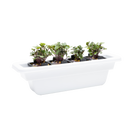
The beauty of having a productive indoor garden is that you're never more than a few weeks away from a fresh harvest. A compact countertop setup like the Personal Garden can keep two to four herb varieties growing simultaneously, giving you a rotating supply of fresh material for infusions throughout the year.
What's the Best Indoor Garden Setup for Growing Honey Herbs?
Consistency is the defining advantage of indoor hydroponic growing for culinary use. You're not waiting on seasons, hoping for the right rainfall, or managing soil health. Your herbs grow under full-spectrum LED lighting on a predictable schedule, fed precise amounts of nutrients calibrated to their growth stage. That consistency translates directly to more reliable flavor profiles in your honey infusions.
For serious herb growers who want to keep multiple varieties going at once — enough to make infusions as gifts or to stock a full season's worth of flavored honeys — a larger system like The Rise Loft offers an elegant, furniture-grade design that fits beautifully in a kitchen or dining area while accommodating a substantial herb garden. Its tiered layout gives you the vertical growing space to run lavender, rosemary, basil, and thyme simultaneously without any of them competing for light.
A few practical tips for growing herbs specifically for honey infusion:
- Harvest in the morning — aromatic oil content in herbs peaks in the early hours before heat dissipates volatile compounds.
- Harvest before flowering — once most herbs bolt and flower, leaf flavor becomes more bitter. Pinch flower buds regularly to maintain the flavor you want.
- Use fresh, not wilted — limp herbs have already lost a significant portion of their essential oil content. Harvest and infuse the same day whenever possible.
- Keep your nutrient solution balanced — an EC (electrical conductivity) reading between 1.6 and 2.4 mS/cm is appropriate for most culinary herbs at the vegetative stage.
Gifting and Packaging Your Homegrown Herb Honey
Herb-infused honey made from homegrown herb honey harvests is one of the most thoughtful handmade gifts you can give — and the packaging doesn't need to be complicated. A 4-ounce glass hex jar with a kraft paper label noting the herb variety, harvest date, and a simple serving suggestion is all you need. Add a small honey dipper tied with twine and you have a gift that genuinely impresses.
For the holidays, consider putting together a trio of flavors — rosemary, lavender, and lemon thyme — in a small wooden crate. Or pair a jar of basil honey with a block of fresh parmesan and a bottle of good olive oil for an Italian-themed gift basket. The fact that you grew the herbs yourself is a story worth telling, and a small handwritten note about your indoor garden adds a personal touch that store-bought gifts simply cannot replicate.
According to the American Beekeeping Federation, the U.S. honey market reached $838 million in retail value in 2022, with specialty and flavored honeys growing at a faster rate than conventional varieties — which tells you just how much demand exists for exactly the kind of artisanal product you're now capable of making at home.
Frequently Asked Questions
Can I use any honey for herb infusions, or does the type matter?
Raw, unfiltered honey is strongly preferred because it retains natural enzymes, pollen, and a fuller flavor profile that complements herbal notes beautifully. Heavily processed honey has been heated above 120°F during production, which strips some of those complex flavor compounds and creates a blander base. Local wildflower or clover honey works well for most herb varieties, while a mild acacia honey makes an excellent base when you want the herb flavor to be the clear star.
How do I know when my hydroponic herbs are ready to harvest for infusing?
Most culinary herbs grown hydroponically are ready to harvest once plants have developed at least 6 to 8 mature leaves and are actively putting out new growth. For infusion purposes, harvest just before the plant begins to flower — this is when essential oil concentration in the leaves is highest. With a well-managed hydroponic system, you can expect to take your first meaningful harvest within 3 to 5 weeks of transplanting most herb seedlings.
Will the honey ferment if I leave the herbs in too long?
Pure honey with a water content below 17% is naturally resistant to fermentation due to its low water activity and acidic pH. However, fresh herbs introduce small amounts of moisture, which is why removing plant material after your infusion period is essential. Strain thoroughly using cheesecloth and store in a sealed glass jar at room temperature. As long as no visible moisture or condensation enters the jar, properly strained herb honey is shelf-stable for up to 12 months.
Can I infuse honey with dried herbs from my hydroponic garden?
Yes — drying herbs from your indoor garden before infusing is a perfectly valid approach and actually extends your flexibility, since you can dry large harvests and infuse honey throughout the year. Use about half the quantity of dried herbs compared to fresh (roughly ¼ cup dried to 1 cup honey), since drying concentrates flavor. The warm infusion method works particularly well with dried herbs, as the reduced moisture content makes the cold method somewhat less effective for flavor transfer.