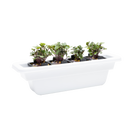
This hydroponic herb compound butter roasted carrots recipe takes a humble root vegetable and transforms it into a showstopper side dish — all thanks to a handful of fresh herbs you can grow year-round on your kitchen counter. Compound butter is simply softened butter blended with fresh herbs, garlic, and seasonings, then used as a finishing fat to coat and glaze roasted vegetables. When you combine that technique with herbs snipped straight from a hydroponic indoor garden, you get layers of bright, clean flavor that dried herbs or grocery-store sprigs simply can't match. This indoor garden carrot recipe is weeknight-easy and dinner-party impressive at the same time.
Why Hydroponic Herbs Make This Recipe Worth Growing
Before you start roasting, it helps to understand why hydroponically grown herbs produce such vivid flavor. Hydroponics is a method of growing plants in a nutrient-rich water solution rather than soil, which gives the plant direct access to every mineral it needs without the competition of ground conditions. According to a study from the University of Arizona's Controlled Environment Agriculture Center, hydroponically grown herbs can contain up to 50% more essential oils — the aromatic compounds responsible for flavor and fragrance — than their field-grown counterparts, depending on growing conditions and light intensity.
That means the rosemary, thyme, and chives you clip from your The Rise Garden 3 aren't just fresh — they're measurably more potent. You use less to achieve the same punch, and the flavor holds up beautifully through the high heat of roasting.
NASA's Veggie Project, which developed plant-growth hardware for the International Space Station, confirmed that controlled-environment growing produces consistent, reliable plant nutrition and yield across cycles — findings that translate directly to home hydroponic systems. When your growing environment is dialed in, your herbs are dialed in too.
What You'll Need: Herbs to Grow for Herb Roasted Carrots Hydroponics Style
The compound butter in this recipe uses three herbs that grow exceptionally well in a home hydroponic system. Here's a quick breakdown of each variety, its flavor profile, and its ideal role in the butter:
- Rosemary — Resinous and piney with a slightly camphor edge. It pairs perfectly with the natural sweetness of roasted carrots and stands up to oven heat without losing its character. Rosemary thrives in hydroponic systems with a pH between 5.5 and 6.0.
- Fresh Thyme — Earthy, floral, and a little lemony. Thyme adds depth without overwhelming the other flavors. It prefers a slightly higher pH around 5.5–6.5 and grows quickly under full-spectrum LED light.
- Chives — Mild onion flavor with a fresh, grassy bite. Added at the end of roasting and blended raw into the butter, chives brighten the whole dish. They germinate in as few as 7–10 days using quality seed pods and are one of the most productive herbs for continuous harvest.
Alongside your herbs, make sure your hydroponic system's nutrients are properly balanced. A well-calibrated nutrient solution — measured by its electrical conductivity (EC), typically between 1.6 and 2.2 mS/cm for most herbs — ensures your plants are taking up the full spectrum of macro and micronutrients they need for robust, flavorful growth.
Hydroponic Herb Compound Butter Roasted Carrots Recipe
This homegrown herb side dish recipe serves 4 as a side and takes about 45 minutes start to finish, including compound butter prep time.
Ingredients
- 1.5 lbs whole carrots, peeled and halved lengthwise (or use small rainbow carrots left whole)
- 2 tablespoons olive oil
- ½ teaspoon kosher salt
- ¼ teaspoon freshly cracked black pepper
For the herb compound butter:
- 4 tablespoons unsalted butter, softened to room temperature
- 1 tablespoon fresh rosemary, finely minced (about 2–3 sprigs from your garden)
- 1 tablespoon fresh thyme leaves, stems removed
- 1 tablespoon fresh chives, thinly sliced
- 1 small garlic clove, grated on a microplane
- ¼ teaspoon flaky sea salt
- ½ teaspoon lemon zest
Instructions
- Preheat your oven to 425°F (220°C). High heat is essential for caramelization — the Maillard reaction that gives roasted carrots their golden color and sweet, nutty flavor begins around 300°F but accelerates dramatically above 400°F.
- Make the compound butter. In a small bowl, combine the softened butter, minced rosemary, thyme leaves, chives, grated garlic, sea salt, and lemon zest. Stir vigorously with a fork until fully incorporated. Set aside at room temperature, or roll into a log in plastic wrap and refrigerate for up to one week.
- Prepare the carrots. Toss the peeled and halved carrots with olive oil, kosher salt, and black pepper. Spread them in a single layer on a heavy rimmed baking sheet. Avoid crowding — if the carrots overlap, they steam instead of roast, and you lose that caramelized exterior.
- Roast for 25–30 minutes, flipping once halfway through, until the carrots are fork-tender with darkened, caramelized edges.
- Finish with compound butter. Pull the baking sheet from the oven and immediately dot the hot carrots with 2–3 tablespoons of the herb compound butter. The residual heat from the pan melts the butter quickly; toss the carrots gently to coat every surface.
- Garnish and serve. Transfer to a serving platter. Top with a few fresh chive snippings and a pinch of flaky salt for texture. Serve immediately.
Make-Ahead Tip
The compound butter can be made up to 5 days ahead and stored in the refrigerator, or frozen for up to 3 months. This makes it one of the most practical elements of this indoor garden carrot recipe — grow a big batch of herbs, make a double or triple quantity of compound butter, and you have a finishing fat ready to elevate everything from roasted vegetables to grilled chicken.
Which Rise Gardens System Works Best for Growing Recipe Herbs?
The answer depends on how many herbs you want to keep on hand and how much counter or floor space you're working with. If you're cooking for a household of two and want a steady rotation of two or three herb varieties, the Personal Garden is a compact countertop system that fits on most kitchen countertops and can support a continuous harvest of rosemary, thyme, and chives simultaneously. Its small footprint makes it ideal for apartment kitchens or anyone who wants a focused, low-maintenance setup.
If you're cooking for a larger household, entertaining regularly, or you want to grow herbs alongside leafy greens and other vegetables, The Rise Garden 3 is a full-size, multi-tier system that significantly expands your growing capacity. You could dedicate one full tier to culinary herbs — rosemary, thyme, chives, basil, parsley, and dill — and have more than enough to harvest for this herb roasted carrots hydroponics recipe and a dozen others in the same week.
For those who want their indoor garden to double as a design element in an open-concept living or dining space, The Rise Loft delivers the same high-performance hydroponic growing experience in a premium, furniture-grade cabinet design that fits naturally into modern interiors. It's a statement piece that also keeps your kitchen fully stocked with fresh herbs year-round.
How Do You Know When Your Hydroponic Herbs Are Ready to Harvest for Cooking?
Timing your harvest correctly makes a measurable difference in flavor. Herbs reach peak essential oil concentration just before they begin to flower — a stage called pre-bolt. At this point, the plant is directing maximum energy into its leaves, and the aroma compounds are at their densest. Once a herb bolts (sends up a flower stalk), its flavor often becomes more bitter or diluted.
For the three herbs in this recipe, here are harvest benchmarks:
- Rosemary: Harvest when stems have at least 6–8 inches of new growth. Snip the top 2–3 inches of each stem just above a leaf node. This encourages branching and fuller regrowth. In a well-maintained hydroponic system, rosemary can be harvested every 2–3 weeks.
- Thyme: Begin harvesting when the plant has at least 8–10 inches of stem length. Take no more than one-third of the plant at a time. Thyme is a fast grower in hydroponic conditions — according to USDA research on controlled-environment agriculture, thyme grown hydroponically shows a 30–40% faster growth rate compared to soil-grown plants in greenhouse trials.
- Chives: Snip chives to about 1 inch above the base when blades reach 6 inches tall. They regrow quickly and steadily, making them one of the most reliable cut-and-come-again herbs for a hydroponic indoor kitchen garden.
Harvest in the morning when possible. Essential oil concentrations in most herbs are slightly higher in the morning hours before daytime heat causes them to volatilize.
Flavor Variations to Try with This Homegrown Herb Side Dish Recipe
Once you've mastered the base recipe, the compound butter technique becomes a flexible template you can adapt to different flavor profiles throughout the year using whatever herbs your indoor garden is producing most abundantly.
- Lemon-Herb Butter: Swap the rosemary for fresh tarragon and double the lemon zest. Tarragon's anise note adds an unexpected sophistication that works beautifully with carrots.
- Spiced Miso-Herb Butter: Add one teaspoon of white miso paste and a pinch of red pepper flakes to the base butter. The miso's umami amplifies the caramelization flavors and creates a deeply savory finish.
- Mint and Honey Butter: Replace thyme with fresh mint and add one teaspoon of honey. This variation leans sweet and aromatic — perfect for spring dinners or as a side for lamb.
- Cilantro-Lime Butter: Use cilantro and flat-leaf parsley in place of rosemary and thyme, with lime zest instead of lemon. This version pairs well with cumin-dusted carrots roasted the same way.
All of these herbs grow readily in a hydroponic system, meaning your indoor garden gives you the flexibility to improvise and customize this recipe week after week without a single grocery store trip.
Frequently Asked Questions
Can I grow carrots in a hydroponic indoor garden?
Root vegetables like carrots require deeper growing channels than most standard hydroponic systems are designed for, making them challenging to grow hydroponically at home for most setups. For this recipe, source your carrots from a farmers market or grocery store and focus your indoor garden on the herbs — that's where the hydroponic advantage in flavor and freshness is most impactful.
How long does herb compound butter last?
Herb compound butter stored in the refrigerator in an airtight container or wrapped tightly in plastic wrap stays fresh for up to 5 days. Frozen compound butter keeps its quality for up to 3 months — slice it into portions before freezing so you can grab exactly what you need for any recipe.
What is the best way to store fresh herbs harvested from a hydroponic garden?
Woody herbs like rosemary and thyme can be stored loosely wrapped in a slightly damp paper towel inside a zip-lock bag in the refrigerator for up to 10–14 days after harvesting. Tender herbs like chives are best used within 3–5 days of harvest for peak flavor. For the freshest results, harvest herbs immediately before cooking rather than storing them for extended periods.
Do I need any special equipment to make compound butter?
No special equipment is required. A small bowl, a fork, and softened butter are all you need to make compound butter at home. The key is that the butter must be fully softened to room temperature — cold butter won't incorporate the herbs evenly, and you'll end up with clumps instead of a smooth, uniform spread. If you want a more refined presentation, a stand mixer or food processor can be used for larger batches.