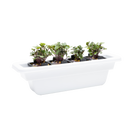
There are few combinations in the kitchen more satisfying than a perfectly roasted piece of halibut finished with a thick pat of herb compound butter — especially when every herb in that butter came from a garden on your countertop. This hydroponic herb compound butter roasted halibut recipe brings together the clean, concentrated flavor of herbs grown in an indoor hydroponic system with the mild, buttery richness of wild halibut. Compound butter is simply softened butter blended with fresh herbs, aromatics, and seasoning, then chilled into a sliceable log that melts luxuriously over hot fish straight out of the oven. Whether you are growing tarragon, chives, parsley, or dill in your indoor garden, this recipe is your best excuse to harvest a generous handful and put them to work.
Why Hydroponic Herbs Make the Best Compound Butter
Flavor is everything in a compound butter, and the herbs you use are the single biggest variable. Hydroponically grown herbs consistently deliver more aromatic intensity than their soil-grown counterparts because of how nutrients are delivered directly to the root zone. According to a study published by researchers at the University of Arizona's Controlled Environment Agriculture Center, hydroponically grown basil contained measurably higher concentrations of essential oils — the compounds responsible for aroma and taste — compared to field-grown samples under equivalent conditions. That translates directly to a more flavorful butter and a more memorable plate of fish.
Hydroponic growing also means your herbs are harvested at peak freshness — not after sitting in a distribution chain for days. The average fresh herb bought at a grocery store has traveled approximately 1,500 miles before it reaches your kitchen, according to USDA supply chain data, losing volatile aromatic compounds the entire time. When you snip herbs from a Personal Garden sitting on your countertop, that distance is about three feet. The difference in flavor is immediate and real.
For this recipe, the ideal herb blend is: 2 tablespoons fresh chives, 1 tablespoon fresh tarragon, 1 tablespoon fresh flat-leaf parsley, and 1 teaspoon fresh dill. All four grow exceptionally well in a hydroponic system and can typically be harvested within 3 to 4 weeks of germination when grown indoors under full-spectrum LED lighting.
What Is the Best Halibut for Roasting?
Pacific halibut (Hippoglossus stenolepis) is the gold standard for this fresh herb roasted fish recipe. Its firm, thick flesh holds up beautifully to high oven heat without falling apart, and its mild flavor profile serves as a neutral canvas that lets your hydroponic herb butter shine. Look for fillets that are at least 1 inch thick — thinner cuts cook too quickly and risk drying out before the herb butter has a chance to melt and baste the surface.
When shopping, choose fillets with bright, translucent flesh and a clean ocean scent. If fresh Pacific halibut is unavailable, Atlantic halibut or large mahi-mahi fillets are excellent substitutes that behave similarly in the oven. The USDA classifies halibut as a lean fish with approximately 111 calories and 23 grams of protein per 3-ounce cooked serving, making it one of the most nutrient-dense protein sources you can pair with the antioxidant-rich herbs coming out of your indoor garden.
Plan on 6 to 8 ounces of halibut per person for a satisfying main course. This recipe is written for four fillets, making it ideal for a dinner party where your The Rise Garden 3 has had time to produce a full, lush harvest of mixed herbs across multiple pods.
How to Grow the Right Herbs in Your Indoor Hydroponic Garden
The herbs that shine in this compound butter — chives, tarragon, parsley, and dill — are all cool-season herbs that thrive in the stable temperature environment of an indoor grow system. Hydroponics, by definition, is the practice of growing plants in a nutrient-rich water solution rather than soil, with roots supported by an inert growing medium. This method gives you precise control over pH and EC (electrical conductivity, a measure of nutrient concentration in the water), which translates to faster growth and more consistent yields.
For herbs, a target pH range of 5.5 to 6.5 in the reservoir is ideal, and an EC between 1.0 and 1.6 mS/cm supports healthy leafy growth without pushing the plant toward bitterness. Rise Gardens nutrients are formulated specifically for the pH and EC ranges that indoor herbs need to thrive, removing much of the guesswork that can frustrate new growers.
Start your herb seed pods about four weeks before you plan to make this recipe. Chives and parsley germinate reliably within 7 to 10 days under the right conditions, while tarragon and dill typically sprout within 5 to 8 days. Once established, herbs in a hydroponic system grow 30 to 50 percent faster than in soil, according to NASA's Veggie project research on controlled-environment agriculture — meaning your kitchen will be stocked with harvestable herbs on a continuous cycle if you stagger your plantings by two weeks at a time.
If you are ready to scale up your herb production to keep pace with regular cooking, the The Rise Loft offers a furniture-grade indoor garden design with multiple growing levels, giving you enough space to maintain chives, tarragon, parsley, dill, thyme, and more — all at once, all year round.
Hydroponic Herb Compound Butter Roasted Halibut: Full Recipe
Serves: 4 | Prep Time: 20 minutes (plus 1 hour chill time) | Cook Time: 12 to 15 minutes
Ingredients — Herb Compound Butter:
- 8 tablespoons (1 stick) unsalted butter, softened to room temperature
- 2 tablespoons fresh chives, finely minced
- 1 tablespoon fresh tarragon leaves, finely chopped
- 1 tablespoon fresh flat-leaf parsley, finely chopped
- 1 teaspoon fresh dill fronds, finely chopped
- 1 teaspoon fresh lemon zest
- 1 small garlic clove, minced or grated on a microplane
- ½ teaspoon flaky sea salt
- ¼ teaspoon freshly ground white pepper
Ingredients — Roasted Halibut:
- 4 halibut fillets, 6 to 8 ounces each, at least 1 inch thick
- 2 tablespoons neutral oil (avocado or grapeseed)
- 1 teaspoon kosher salt
- ½ teaspoon freshly ground black pepper
- Lemon wedges, for serving
Step 1 — Make the Compound Butter: In a medium bowl, combine the softened butter with all herb ingredients, lemon zest, garlic, salt, and white pepper. Use a fork or flexible spatula to mix until the herbs are evenly distributed throughout the butter. Taste and adjust seasoning. Spoon the butter onto a sheet of plastic wrap, roll into a log approximately 1.5 inches in diameter, twist the ends tightly, and refrigerate for at least 1 hour. The butter can be made up to 5 days in advance and stored in the refrigerator, or frozen for up to 3 months.
Step 2 — Prep the Halibut: Remove fillets from the refrigerator 20 minutes before cooking to bring them closer to room temperature — this promotes even cooking from edge to center. Pat fillets completely dry with paper towels. Moisture on the surface of the fish will steam rather than sear, preventing the golden crust that adds texture and flavor. Season both sides with kosher salt and black pepper.
Step 3 — Sear and Roast: Preheat your oven to 425°F (220°C). Heat an oven-safe skillet — cast iron or stainless steel works best — over medium-high heat until the pan is very hot. Add the neutral oil and swirl to coat. Place fillets presentation-side down and sear without moving for 2 minutes until a golden crust forms. Transfer the skillet directly to the preheated oven and roast for 8 to 10 minutes, depending on thickness. The fish is done when it flakes easily with gentle pressure and an instant-read thermometer inserted into the thickest part reads 130°F to 135°F (54°C to 57°C) for moist, just-cooked results.
Step 4 — Finish with Herb Butter: Remove the skillet from the oven. Immediately slice two rounds (approximately ¼ inch thick each) of the chilled herb compound butter and lay one on top of each fillet. The residual heat of the fish will melt the butter into a glossy, herb-flecked sauce that pools around the fillet. Serve immediately with lemon wedges and your choice of sides — roasted fingerling potatoes, steamed asparagus, or a simple green salad all pair beautifully.
What Side Dishes and Pairings Work Best with This Indoor Garden Halibut Recipe?
This hydroponic herb butter fish is delicate enough that heavy, competing flavors on the plate can overwhelm it. The goal is sides that complement without overpowering. Roasted fingerling potatoes tossed with olive oil and flaky salt provide starchy contrast without competing with the herb butter. Wilted spinach or Swiss chard — both of which also grow well in an indoor hydroponic system — add earthiness and a pop of color. A dry, unoaked white wine like a French Chablis or a New Zealand Sauvignon Blanc mirrors the bright herbal notes in the compound butter and cuts cleanly through the richness.
If you want to lean into the garden-to-table narrative of this indoor garden halibut recipe, consider finishing the plate with a small salad of microgreens — also easy to grow hydroponically — dressed with a squeeze of lemon and a drizzle of good olive oil. The visual contrast of the green microgreens against the golden halibut and the pooling herb butter makes for a genuinely restaurant-quality presentation at your home table.
Tips for Storing Herb Compound Butter and Scaling This Recipe
One of the most practical advantages of making compound butter is that it scales effortlessly and stores beautifully. A double or triple batch takes only a few extra minutes of chopping and mixing, and the extra logs of butter will sit quietly in your freezer for up to three months. Having herb butter on hand means a restaurant-quality finish is always one frozen slice away — useful not just for halibut, but for roasted chicken, grilled steak, steamed vegetables, or warm crusty bread.
When freezing, label each log with the herb combination and the date. If you grow different herbs at different times in your indoor garden — for example, if your tarragon is at peak harvest while your dill is still young — make single-herb butters and combine them on the plate rather than waiting for all four herbs to be ready simultaneously. Each herb brings its own character: tarragon brings anise-like warmth, chives deliver mild onion sharpness, parsley brightens the entire flavor profile, and dill contributes a distinctly fresh, slightly grassy note.
For storage of leftover cooked halibut, refrigerate within two hours of cooking and consume within two days. Reheat gently in a 275°F oven covered with foil to prevent drying, or flake the cold fish over a grain bowl or salad where reheating is not required.
Frequently Asked Questions
Can I use dried herbs instead of fresh hydroponic herbs for the compound butter?
You can use dried herbs in a pinch, but the flavor difference is significant. Dried herbs have lost the volatile aromatic compounds that give fresh herbs their brightness and complexity — the very compounds that hydroponically grown herbs retain at higher levels than most store-bought fresh herbs. If substituting, use one-third the quantity of dried herb for every tablespoon of fresh herb called for in the recipe, and allow the butter to rest overnight in the refrigerator so the dried herbs can rehydrate and bloom.
How do I know when my hydroponic herbs are ready to harvest for cooking?
Most hydroponic herbs are ready for their first harvest when the plant has developed at least 4 to 6 mature leaves and stands 4 to 6 inches tall — typically 3 to 4 weeks after germination under full-spectrum LED grow lights. Always harvest by cutting stems just above a leaf node, which encourages the plant to branch and produce new growth rather than going to seed. For chives, cut the entire bunch to about 1 inch above the growing medium and they will regrow fully within 10 to 14 days.
What internal temperature should halibut reach when roasted?
The FDA recommends cooking fish to an internal temperature of 145°F for food safety, which produces fully opaque, firm flesh. Many chefs and home cooks prefer halibut pulled at 130°F to 135°F for a moister, more tender result — the fish will continue to rise a few degrees through carryover cooking after it leaves the oven. Use an instant-read thermometer inserted into the thickest part of the fillet for the most accurate reading.
Which herbs grow fastest in a hydroponic system for cooking?
Dill, chives, and basil are among the fastest-growing herbs in a hydroponic system, often reaching harvestable size within 21 to 28 days of germination. Tarragon and parsley take slightly longer — closer to 28 to 35 days — but are well worth the wait for their flavor contributions in recipes like this compound butter. NASA's Veggie project documented that hydroponically grown leafy plants in controlled environments consistently mature 30 to 50 percent faster than their soil-grown equivalents, making indoor hydroponic gardening one of the most efficient ways to maintain a continuous supply of fresh culinary herbs.