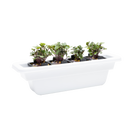
There is nothing quite like pulling a golden, crackling whole chicken from the oven — especially when the herb compound butter slathered under and over its skin came straight from your own living room. This hydroponic herb compound butter roasted whole chicken recipe is exactly that: a technique-driven dinner recipe that pairs a classic French roasting method with ultra-fresh herbs grown in a hydroponic indoor garden. Compound butter is simply softened butter blended with aromatics — in this case, a generous combination of rosemary, thyme, flat-leaf parsley, and chives — that melts into the meat as the bird roasts, basting it from the inside out. When those herbs come from a hydroponic system growing five feet from your kitchen, the flavor difference is real and measurable.
Why Grow Your Own Herbs for This Roasted Chicken Recipe?
Fresh herbs are not decorative. They are functional flavor compounds, and their potency drops fast after harvest. Research from the University of California Cooperative Extension found that fresh basil loses up to 50% of its volatile aromatic compounds within 24 hours of being cut and stored at refrigerator temperatures. The same degradation applies to thyme, rosemary, and parsley. Supermarket herbs are typically harvested 5 to 14 days before they reach your produce aisle, which means you are often cooking with a fraction of the herb's original flavor potential.
Hydroponic herbs — grown in a nutrient-rich water solution without soil — are harvested moments before use. Hydroponics is a method of growing plants in a controlled water-based environment where nutrients are delivered directly to the root zone. Because the plant never has to search for nutrition through soil, it develops faster and more consistently. According to NASA's Veggie project, which pioneered plant growth in controlled environments aboard the International Space Station, hydroponically grown greens produced in optimized light and nutrient conditions achieve robust growth cycles with predictable, repeatable results — the same principle applies to your countertop garden at home.
For a recipe like this indoor garden roasted chicken, where herbs are the star ingredient in the butter, growing your own is not just a fun hobby — it is a direct upgrade to the food on your table.
Which Hydroponic Herbs Work Best in Compound Butter?
Not every herb behaves the same way in compound butter, and understanding the difference will make your herb butter whole chicken significantly better. Here is a breakdown of the best performers and how to use them:
- Rosemary: Woody and resinous, rosemary is heat-stable and holds its flavor through a long roast at high temperature. Use it finely minced — about 1 tablespoon per stick of butter.
- Thyme: Earthy and slightly floral, thyme pairs naturally with poultry fat. Strip the tiny leaves from the stems and fold in 2 teaspoons per stick of butter.
- Flat-Leaf Parsley: Bright and grassy, parsley lightens the butter and adds color. Use up to 3 tablespoons, finely chopped.
- Chives: Mild and onion-forward, chives add a savory depth without overpowering. Use 2 tablespoons, thinly sliced.
- Tarragon: Anise-like and elegant, tarragon is classic with chicken. A single tablespoon is enough — it is assertive.
- Sage: Rich and slightly peppery, sage works particularly well when the butter is rubbed directly on the skin. Use 1 tablespoon, minced.
All of these herbs grow exceptionally well in a hydroponic system. If you are new to indoor growing, starting with thyme, parsley, and chives is a reliable entry point — they germinate quickly and yield harvestable leaves within 3 to 4 weeks using pre-seeded seed pods designed specifically for hydroponic systems.
The Hydroponic Herb Compound Butter Roasted Whole Chicken Recipe
This recipe serves 4 to 6 people and produces a deeply flavored, juicy bird with crisp, herb-scented skin. Total active prep time is about 20 minutes; hands-off roasting time is approximately 1 hour and 15 minutes for a 4-pound chicken.
Ingredients
- 1 whole chicken, 3.5 to 4.5 lbs, patted thoroughly dry
- 2 sticks (1 cup / 226g) unsalted butter, room temperature
- 1 tablespoon fresh rosemary, finely minced
- 2 teaspoons fresh thyme leaves
- 3 tablespoons fresh flat-leaf parsley, finely chopped
- 2 tablespoons fresh chives, thinly sliced
- 1 tablespoon fresh tarragon, minced (optional but recommended)
- 4 garlic cloves, minced or pressed
- 1 teaspoon lemon zest
- 1.5 teaspoons kosher salt, plus more for seasoning the cavity
- 0.5 teaspoon freshly ground black pepper
- Half a lemon and a few herb sprigs for the cavity
Instructions
- Make the compound butter: In a medium bowl, combine the softened butter with rosemary, thyme, parsley, chives, tarragon, garlic, lemon zest, salt, and pepper. Mix with a fork until everything is evenly incorporated. Taste and adjust salt.
- Dry-brine the chicken (optional but recommended): The USDA recommends cooking whole poultry to an internal temperature of 165°F (74°C) as measured by a food thermometer inserted into the thickest part of the thigh, away from bone. For best texture and skin crispness, season the outside of the bird with kosher salt and let it rest uncovered in the refrigerator for at least 1 hour, or up to 24 hours before roasting.
- Preheat your oven to 425°F (220°C). Place a rack inside a roasting pan or cast iron skillet.
- Apply the butter: Using your fingers, gently separate the skin from the breast meat and thighs, being careful not to tear it. Push roughly half the compound butter directly under the skin and spread it as evenly as possible. Rub the remaining butter all over the outside of the bird, including the legs and back.
- Stuff the cavity loosely with the lemon half, a few extra herb sprigs, and season with a pinch of salt inside.
- Roast: Place the chicken breast-side up on the rack. Roast at 425°F for 15 minutes to begin crisping the skin, then reduce heat to 375°F (190°C) and continue roasting until the internal temperature reads 165°F at the thigh — approximately 55 to 65 more minutes depending on the size of the bird.
- Rest before carving: Transfer the chicken to a cutting board and tent loosely with foil. Rest for at least 15 minutes. This allows the juices to redistribute through the meat, which directly affects moisture retention.
- Serve with pan drippings spooned over the top and a fresh scatter of chopped herbs from your garden.
How Does a Hydroponic Indoor Garden Make This Recipe Possible Year-Round?
One of the most common frustrations with cooking herb-forward recipes is seasonality. Fresh tarragon and chives are difficult to source in winter months, and even when available, their quality is inconsistent. A hydroponic herbs dinner recipe like this one becomes genuinely repeatable — any night, any season — when the herbs are growing on your kitchen counter or in your living space.
Hydroponic systems work by circulating water enriched with dissolved nutrients — mineral compounds including nitrogen, phosphorus, potassium, calcium, and trace elements — directly to the plant's root zone. The pH of the water (a measure of acidity on a 0–14 scale, with most herbs thriving at 5.5 to 6.5) is kept stable, and LED grow lights provide a consistent light spectrum that replaces sunlight. The result is year-round growth that is independent of outdoor weather, season, or geography.
A study published in the journal HortScience found that hydroponically grown herbs contained up to 40% higher concentrations of phenolic compounds — the antioxidant-rich molecules responsible for both health benefits and flavor complexity — compared to their soil-grown counterparts grown under standard field conditions. That kind of measurable difference shows up in your food.
If you are growing herbs primarily for cooking, a compact system like the Personal Garden fits neatly on a countertop and can support up to 12 plant pods simultaneously — enough to keep rosemary, thyme, parsley, chives, and a rotation of seasonal herbs in continuous supply. For a larger household or more serious culinary production, the The Rise Garden 3 offers a full-size three-tier growing system with capacity for dozens of plants, giving you a true kitchen herb pantry that never runs out. And if you want a statement piece that also grows your food, The Rise Loft delivers furniture-grade design with the full functionality of a premium hydroponic system — a beautiful addition to any dining room or open-concept living space.
Tips for Getting the Most From Your Indoor Garden Herbs Before Cooking
Growing the herbs is the easy part once your system is running. Getting maximum flavor from your harvest is where a little technique goes a long way.
- Harvest in the morning: Herb oils are most concentrated before the plant has been exposed to hours of light and heat. If your grow light runs on a timer, harvest shortly after it turns on.
- Cut above a node: When harvesting, cut stems just above a leaf node (the point where leaves branch off). This encourages the plant to produce two new stems from that point, increasing your long-term yield.
- Do not wash until ready to use: Moisture accelerates wilting and can dilute flavor. Rinse herbs under cool water immediately before chopping, then pat dry with a paper towel before incorporating into butter.
- Use quality nutrients: The flavor of hydroponic herbs is directly tied to the mineral balance in their water. Using a properly formulated hydroponic nutrients solution — one calibrated for leafy herbs — ensures your plants are building flavor compounds, not just green bulk.
- Monitor EC: Electrical conductivity (EC) is a measurement of the total dissolved mineral content in your nutrient solution, expressed in millisiemens per centimeter (mS/cm). For most culinary herbs, an EC of 1.0 to 1.6 mS/cm produces the best balance of growth rate and flavor intensity. Higher EC can stress plants and make flavor more concentrated but may slow growth.
Frequently Asked Questions
Can I make the compound butter ahead of time?
Yes — compound butter is one of the best make-ahead components in a cook's repertoire. Roll the finished butter into a log using plastic wrap or parchment paper and refrigerate for up to 5 days, or freeze for up to 3 months. Slice off rounds directly from frozen when needed for roasting, sautéing, or finishing sauces.
What internal temperature should a whole roasted chicken reach?
According to USDA food safety guidelines, whole poultry must reach a minimum internal temperature of 165°F (74°C) as measured by a food thermometer inserted into the thickest part of the thigh without touching bone. Resting the chicken for 15 minutes after removing it from the oven allows carryover cooking and juice redistribution, which improves both safety confirmation and eating quality.
How long does it take to grow herbs in a hydroponic system before they are ready to harvest?
Most culinary herbs reach a harvestable size in a hydroponic system within 3 to 5 weeks from seed germination, significantly faster than soil growing. Chives and parsley are typically among the first ready; rosemary grows more slowly and may take 6 to 8 weeks to reach a productive size. Using pre-seeded seed pods reduces setup time and improves germination consistency compared to starting from raw seed.
Can I substitute dried herbs if my indoor herbs are not ready yet?
Dried herbs can be used in a pinch, but the flavor profile will differ noticeably in this recipe. Dried herbs are roughly three times more concentrated than fresh, so reduce quantities to about one-third of what is called for. For compound butter specifically, dried herbs lack the moisture and volatile oils that help them integrate smoothly into butter, which can result in a slightly gritty texture. Fresh is always worth the wait when this recipe is the goal.