There is something genuinely special about making a hydroponic herb compound butter roasted scallops dish where the herbs came from plants you grew three feet from your kitchen. This recipe pairs perfectly seared sea scallops with a rich, herb-studded compound butter built entirely from fresh herbs harvested out of your own indoor hydroponic garden — no grocery store substitutes, no dried flakes, just vibrant, intensely aromatic herbs you cultivated yourself. If you have been looking for a reason to take your indoor garden seriously as a culinary tool, this is it.
What Is Compound Butter and Why Do Hydroponic Herbs Make It Better?
Compound butter is simply softened butter blended with aromatics — herbs, citrus zest, garlic, shallots, or spices — then chilled back into a solid form. When placed on top of a hot seared scallop, it melts slowly and bastes the protein in layers of flavor you simply cannot replicate with a drizzle of olive oil or a sprinkle of dried seasoning.
The reason hydroponic herbs elevate this preparation so dramatically comes down to one thing: volatile aromatic compounds. Herbs like tarragon, chives, parsley, and thyme owe their fragrance to essential oils stored in their leaf cells. These oils degrade within hours of harvest. A bunch of grocery store thyme may have been cut four to seven days ago before it reaches your kitchen. Herbs snipped directly from a hydroponic system and used within minutes retain essentially their full aromatic profile.
According to research supported by the USDA Agricultural Research Service, the concentration of essential oils in fresh herbs can decrease by up to 40% within 48 hours of harvest when stored at refrigerator temperatures. Growing your own and harvesting at the moment of cooking is the single most effective way to capture peak flavor — and that is exactly what a countertop hydroponic garden makes possible every single day.
Which Herbs Grow Best for This Indoor Garden Scallop Recipe?
The compound butter in this recipe relies on four herbs, all of which thrive in hydroponic systems year-round regardless of your climate or season. Here is what to grow and why each one earns its place in this dish:
- French Tarragon: Anise-forward and slightly sweet, tarragon is the classic herb pairing for scallops in French cuisine. It grows steadily in hydroponics and does not require the cold stratification that outdoor growing sometimes demands.
- Chives: Mild allium flavor without the sharpness of raw garlic or onion. Chives are one of the fastest-growing herbs in a hydroponic system, often ready for first harvest in as little as three weeks from transplant.
- Flat-Leaf Parsley: Bright, slightly peppery, and essential for color. Parsley is a heavy feeder that responds beautifully to the consistent nutrient delivery that hydroponics provides.
- Lemon Thyme: More citrus-forward than common thyme, lemon thyme adds a brightness that cuts through the richness of the butter and complements the natural sweetness of the scallop.
All four of these herbs are available as seed pods designed specifically for Rise Gardens systems, pre-seeded and ready to start growing within days. Once established, each plant can be harvested with the "cut and come again" method — snipping outer stems while the plant continues producing — giving you a continuous supply for cooking throughout the season.
Hydroponic Herb Compound Butter Roasted Scallops: The Full Recipe
This recipe serves two as a restaurant-quality appetizer or a light dinner paired with crusty bread and a simple green salad. The compound butter makes more than you need for one meal — wrap the remainder in parchment, twist the ends, and refrigerate for up to two weeks or freeze for up to three months.
For the Compound Butter
- 8 tablespoons (1 stick) high-quality unsalted butter, room temperature
- 2 tablespoons fresh tarragon leaves, finely minced
- 3 tablespoons fresh chives, finely sliced
- 2 tablespoons fresh flat-leaf parsley, finely chopped
- 1 teaspoon fresh lemon thyme leaves
- 1 small shallot, minced and lightly sautéed until soft
- 1 teaspoon fresh lemon zest
- ½ teaspoon flaky sea salt
- ¼ teaspoon white pepper
For the Scallops
- 8 large dry-packed sea scallops (U10 grade, approximately 1.5 oz each)
- 1 tablespoon neutral oil with high smoke point (avocado or grapeseed)
- Kosher salt and freshly cracked black pepper
- 1 tablespoon unsalted butter (for basting during sear)
Method
- Make the compound butter: Beat room-temperature butter with a fork or hand mixer until fluffy. Fold in all herbs, shallot, lemon zest, salt, and white pepper. Taste and adjust seasoning. Spoon the butter onto a sheet of plastic wrap or parchment, roll into a log about 1.5 inches in diameter, and refrigerate for at least one hour until firm. Slice into ¼-inch rounds when ready to serve.
- Prepare the scallops: Pat scallops completely dry with paper towels — this is the single most critical step for achieving a proper sear. Remove the small side muscle if still attached. Season generously with kosher salt and pepper on both sides. Let them rest uncovered on a wire rack for 10 minutes before cooking to ensure the surface is as dry as possible.
- Sear: Heat a heavy stainless steel or cast iron pan over high heat until it just begins to smoke. Add the oil and swirl. Place scallops in the pan without crowding, flat-side down. Do not move them for 90 seconds to 2 minutes. You are looking for a deep mahogany crust. Flip, add 1 tablespoon of plain butter to the pan, and baste continuously for 60 seconds. Total cook time per scallop should not exceed 4 minutes for a U10 sized piece.
- Finish and serve: Transfer scallops immediately to warm plates. Place one round of herb compound butter on top of each scallop while still hot. The butter will begin melting instantly, creating a glossy, herb-flecked sauce right on the plate. Serve within 60 seconds.
How Does Growing Herbs Hydroponically Change the Flavor of Seafood Dishes?
This is a question worth answering with real specificity, because the difference is measurable — not just subjective preference. Hydroponic growing environments give you direct control over the variables that determine herb quality: light spectrum, water pH, nutrient concentration (measured as electrical conductivity, or EC), and temperature.
In a hydroponic system, plant roots are bathed directly in oxygenated, nutrient-rich water rather than drawing nutrients up through soil. This means the plant spends less energy on root development and more energy on leaf production and aromatic compound synthesis. The result is typically a higher density of the essential oils responsible for flavor and fragrance.
The NASA Veggie Project, which has studied plant growth in controlled environments since 2014, found that certain leafy herbs grown under optimized LED lighting in soilless systems produced measurably higher concentrations of chlorophyll and secondary metabolites — the chemical family that includes aromatic flavor compounds — compared to field-grown equivalents. While that research focuses on space agriculture, the principle applies directly to home hydroponic growing.
When building this herb butter seafood recipe, the herbs you grow indoors also arrive at your cutting board completely free of field soil, pesticide residues (since controlled hydroponic environments rarely if ever require pesticide application), and the physical damage that commercial harvesting and shipping inevitably cause. Every stem is intact. Every leaf is at peak turgidity. That translates directly to a more vivid final dish.
Setting Up Your Indoor Garden for Year-Round Herb Harvests
The beauty of this hydroponic herb seafood dish is that it can be on your table any night of the year — January in Minnesota included. Making that possible requires the right growing setup, and Rise Gardens offers systems scaled to every kitchen and ambition level.
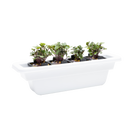
If you are cooking for one or two and want a compact solution that lives elegantly on a countertop, the Personal Garden is a capable starting point. It holds up to four pods at a time, which is enough to keep tarragon, chives, parsley, and lemon thyme all growing simultaneously — precisely the four herbs this recipe calls for.
For households that cook frequently and want a broader plant library, the The Rise Garden 3 offers a full three-tier growing system that accommodates up to 36 pods. At that scale you can maintain a rotating harvest schedule, always having mature plants ready while new ones establish behind them. That kind of depth means you will never face the disappointment of reaching for fresh tarragon and finding the pot stripped bare.
For those who want their indoor garden to be as much a design statement as a culinary tool, The Rise Loft is a furniture-grade system built with premium wood cabinetry that integrates into living spaces the way a piece of considered furniture does. It holds up to 36 pods and operates with the same precision nutrient delivery as the other systems in the Rise lineup.
All three systems are compatible with the same nutrients formulated specifically for edible plants, delivering the nitrogen, phosphorus, potassium, calcium, magnesium, and micronutrients that herbs need at the precise EC levels that support vigorous leaf growth rather than the flowering and fruiting cycles you would encourage in tomatoes or peppers.
What Do You Serve Alongside This Herb Butter Seafood Recipe?
Scallops with compound butter are rich, so accompaniments work best when they add contrast — acidity, crunch, or something starchy enough to catch the melting butter without competing with the herb flavors.
Here are four pairings that work particularly well:
- Crusty sourdough: A thick slice grilled in a dry pan gives you something to drag through the puddle of herb butter left on the plate. No wasted compound butter is a strict household policy worth adopting.
- Microgreens salad: A handful of peppery microgreens dressed with nothing more than lemon juice and flaky salt cuts through the richness with zero competition. Microgreens are also exceptionally easy to grow hydroponically — many varieties are ready to harvest in 7 to 14 days from sowing.
- Corn purée or cauliflower purée: A smooth, slightly sweet purée gives the scallop something to sit on and carries the melting butter beautifully on the plate.
- Chilled Chablis or Muscadet: The mineral, high-acid profile of either wine is a textbook match for both shellfish and herb-forward butter sauces.
A study published in the Journal of Sensory Studies found that herb-enhanced butter preparations increased perceived flavor intensity of proteins by an average of 23% compared to the same proteins served unsauced in blind tasting panels — which is useful data if you ever need to justify growing an entire herb garden for one dinner party.
Frequently Asked Questions
Can I use frozen scallops for this hydroponic herb compound butter roasted scallops recipe?
You can, but the results will be noticeably different. Frozen scallops release more water during cooking, which works against the hard sear you need for proper caramelization. If using frozen, thaw them overnight in the refrigerator, then press them between paper towels under a light weight for 20 to 30 minutes before cooking to draw out as much excess moisture as possible. Dry-packed fresh scallops are always the preferred choice when available.
How often can I harvest herbs from my Rise Gardens system without damaging the plants?
Most soft-stemmed herbs like chives, parsley, and basil can be harvested every 7 to 10 days using the cut-and-come-again method, as long as you never remove more than one-third of the plant at a single harvest. Woody herbs like thyme recover more slowly and benefit from a lighter trim — about 20 to 25% at a time. Consistent harvesting actually encourages bushier, more productive growth rather than slowing the plant down.
What is the ideal pH for growing culinary herbs in a hydroponic system?
Most culinary herbs perform best at a water pH between 5.5 and 6.5. This slightly acidic range keeps key nutrients like nitrogen, calcium, and magnesium in their most plant-available forms. If pH drifts above 7.0, you may start seeing yellowing leaves — a sign of nutrient lockout even when nutrients are present in the water. Rise Gardens systems include pH testing supplies, and the nutrients formulation is designed to help maintain a stable range with minimal intervention.
How far in advance can I make the herb compound butter?
The compound butter can be made up to two weeks ahead and stored refrigerated, or up to three months ahead if frozen. For best flavor, wrap it tightly in plastic wrap or parchment to prevent it from absorbing other odors in the refrigerator. Slice off rounds directly from the frozen log without fully thawing — they will melt perfectly on hot scallops straight from the pan.