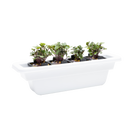
There is a specific kind of satisfaction that comes from snipping fresh rosemary, thyme, and chives directly from your countertop garden and folding them into a silky compound butter that melts over perfectly seared pork chops. Hydroponic herb compound butter roasted pork chops are exactly what the name promises: a restaurant-worthy dinner built on a foundation of homegrown, hydroponically grown herbs blended into butter and used to baste thick-cut pork chops as they roast to juicy perfection. If you have been growing herbs indoors and wondering how to make those plants earn their place on your counter, this recipe is your answer.
Why Hydroponic Herbs Make Better Compound Butter
Compound butter — softened butter mixed with herbs, aromatics, and seasoning — is one of the oldest finishing techniques in professional kitchens. Its magic depends entirely on the quality and potency of the herbs you use. This is where hydroponic growing genuinely changes the outcome on your plate.
Hydroponics is a method of growing plants in a nutrient-rich water solution rather than soil. Because roots access nutrients directly and consistently, plants can focus their energy on producing aromatic essential oils rather than searching for food. A 2021 study published in the journal Agronomy found that hydroponically grown basil contained up to 40% higher concentrations of essential oils compared to soil-grown counterparts under the same light conditions — and those oils are exactly what make compound butter fragrant and flavorful.
NASA's Veggie project, which has used hydroponics to grow food aboard the International Space Station since 2014, demonstrated that controlled-environment growing produces consistent, high-quality plant tissue because every variable — pH, water temperature, light spectrum, and nutrient delivery — can be dialed in precisely. The same principles apply in your kitchen. When you grow rosemary or thyme in a system like The Rise Garden 3, you control the environment, which means you control the flavor.
For compound butter, you want herbs that are intensely aromatic and free of grit or pesticide residue. Hydroponic herbs check every one of those boxes.
Which Herbs From Your Indoor Garden Work Best for Pork?
Pork chops have a rich, slightly sweet fat profile that pairs beautifully with both woody and bright herbs. The following are the top performers for an indoor garden herb butter pork preparation, all of which you can grow year-round in a hydroponic system.
- Rosemary: Resinous and piney, rosemary cuts through pork fat and holds up to high oven heat. Chop it very finely — the leaves are tough and waxy.
- Thyme: Earthy and slightly floral, thyme is the backbone of classic French pork preparations. Strip the leaves from the stems before measuring.
- Sage: Sage and pork is one of the most iconic pairings in European cooking. It turns slightly crisp in the butter and develops a nutty quality.
- Chives: Bright and mildly onion-forward, chives add freshness and color to the finished butter. They are one of the fastest-growing herbs in hydroponic systems.
- Flat-leaf parsley: Use parsley as a base herb to bulk up the butter and add a clean, green flavor that balances heavier aromatics.
- Garlic chives: A stronger alternative to regular chives, garlic chives bring allium depth without overpowering the compound butter blend.
If you are just getting started with indoor herb growing, the Personal Garden is a compact countertop hydroponic garden that can hold up to 9 plant pods — more than enough to keep rosemary, thyme, sage, and chives growing simultaneously so you always have fresh herbs within arm's reach of your cutting board.
How to Make Hydroponic Herb Compound Butter
This compound butter recipe produces enough to coat four thick-cut pork chops with butter left over for bread, vegetables, or your next dinner.
Ingredients
- 8 tablespoons (1 stick) unsalted butter, softened to room temperature
- 1 tablespoon fresh rosemary, finely minced (from your hydroponic garden)
- 1 tablespoon fresh thyme leaves
- 1 tablespoon fresh sage, chiffonaded and then finely chopped
- 2 tablespoons fresh chives, thinly sliced
- 2 tablespoons fresh flat-leaf parsley, finely chopped
- 3 cloves garlic, finely grated or pressed
- 1 teaspoon lemon zest
- 1 teaspoon kosher salt
- ½ teaspoon freshly cracked black pepper
- ½ teaspoon smoked paprika (optional, adds a subtle warmth)
Method
- Lay a sheet of plastic wrap flat on your work surface.
- In a medium bowl, combine softened butter with all herbs, garlic, lemon zest, salt, pepper, and paprika. Use a silicone spatula or fork to mix until every ingredient is evenly distributed throughout the butter. Taste and adjust seasoning.
- Scrape the butter mixture onto the center of the plastic wrap. Roll the wrap around the butter, twisting the ends tightly to form a log about 1.5 inches in diameter.
- Refrigerate for at least 2 hours or freeze for up to 3 months. Cold butter holds its shape when placed on hot meat and melts slowly, basting as it goes.
The Complete Fresh Herb Roasted Pork Chops Recipe
This is a straightforward, high-heat roasting method that produces deeply caramelized crust with a juicy interior. The USDA recommends cooking pork chops to an internal temperature of 145°F (63°C), followed by a 3-minute rest — a guideline updated in 2011 that allows pork to remain slightly pink and significantly more moist than older overcooked standards.
Ingredients
- 4 bone-in pork chops, at least 1 inch thick (about 10–12 oz each)
- 1 full recipe hydroponic herb compound butter (above), sliced into 8 rounds
- 2 tablespoons neutral oil (avocado or grapeseed)
- Kosher salt and freshly cracked black pepper
Instructions
- Dry brine: Pat pork chops completely dry with paper towels. Season generously on both sides with kosher salt and pepper. Place uncovered on a wire rack set over a sheet pan and refrigerate for at least 1 hour, up to overnight. Dry brining removes surface moisture so you get a proper sear, not steam.
- Preheat: Position an oven rack in the center position. Preheat your oven to 400°F (205°C). Place a cast iron or oven-safe stainless skillet in the oven as it preheats.
- Sear: Carefully remove the hot skillet and place it on your stovetop over high heat. Add oil and swirl to coat. Sear pork chops for 2 minutes per side until deeply golden. Work in batches if your pan is not large enough — crowding drops pan temperature and prevents browning.
- Top with herb butter: Place 2 rounds of herb compound butter on top of each chop. Transfer the skillet to the preheated oven.
- Roast: Roast for 8–12 minutes, spooning the melted herb butter over the chops once halfway through. The exact time depends on chop thickness. Begin checking internal temperature at 8 minutes.
- Rest and serve: Remove chops from the oven when the thickest part reads 145°F. Let rest on the pan for 3–5 minutes. The residual heat will finish cooking while the juices redistribute. Serve immediately with the pan drippings spooned over the top.
This hydroponic herb pork chop recipe pairs beautifully with roasted root vegetables, creamy polenta, or a simple arugula salad dressed with lemon and olive oil.
What Is the Best Indoor Hydroponic System for Growing Culinary Herbs Year-Round?
The answer depends on how many herbs you want to grow and how often you cook with them. A household that uses fresh herbs multiple times per week needs a system with enough growing capacity to support continuous harvesting without depleting plants.
For serious home cooks, The Rise Loft is Rise Gardens' premium indoor garden with furniture-grade design — it integrates seamlessly into living and dining spaces while providing the growing capacity to maintain a robust herb garden across multiple grow decks. You can have rosemary, thyme, sage, basil, chives, and parsley all growing at the same time, with enough volume to harvest weekly without stunting any single plant.
For a mid-size setup, The Rise Garden 3 supports up to 36 plant pods across three rows, making it an excellent choice for households that cook ambitious meals regularly and want the flexibility to grow herbs alongside leafy greens or edible flowers.
Regardless of which system you choose, starting with quality seed pods pre-loaded with the right growing medium ensures fast, consistent germination. Rise Gardens seed pods are designed to work with the nutrient delivery system built into each garden, removing the guesswork from EC (electrical conductivity) and pH management — two key variables that determine whether herbs grow vigorously or struggle.
According to research from the University of Vermont Extension, herbs grown in optimized hydroponic systems with properly calibrated pH (ideally between 5.5 and 6.5 for most culinary herbs) show 25–50% faster growth rates than the same herbs grown in average potting soil under comparable light conditions. Faster growth means more frequent harvests, which means more compound butter, more often.
How Do You Store and Use Herb Compound Butter?
One of the best things about making compound butter from your indoor garden herbs is that it stores exceptionally well, allowing you to batch-prepare and use it across multiple meals throughout the week or month.
Refrigerator Storage
Wrapped tightly in plastic wrap and stored in an airtight container, herb compound butter keeps in the refrigerator for up to 2 weeks. The butter absorbs surrounding odors easily, so the airtight container is not optional — it is essential.
Freezer Storage
For longer storage, freeze the butter log as directed above. Frozen compound butter maintains quality for up to 3 months. Slice off rounds directly from the frozen log as needed — they thaw in seconds on hot food and in about 10 minutes at room temperature.
Beyond Pork Chops
This same compound butter is extraordinary on grilled chicken thighs, basted over a whole roasted chicken, melted onto steamed corn, stirred into mashed potatoes, spread on warm crusty bread, or dropped into a pan sauce as a finishing element. Once you have a log in your freezer, you will find yourself reaching for it constantly.
To keep your herb supply steady enough for regular batch cooking, make sure you are feeding your plants properly. Dialing in your nutrients is one of the highest-leverage things you can do for herb flavor and growth rate — underfed plants produce less essential oil, which translates directly to less flavor in your finished dishes.
Frequently Asked Questions
Can I use dried herbs instead of fresh hydroponic herbs in compound butter?
Technically yes, but the results are noticeably different. Dried herbs have a more muted, sometimes dusty flavor compared to the bright, volatile aromatics in fresh herbs. If you use dried herbs, reduce the quantity by about two-thirds since dried herbs are more concentrated. Fresh hydroponic herbs produce compound butter that is visibly greener, far more aromatic, and more complex in flavor.
What thickness of pork chop works best for this roasted recipe?
Bone-in pork chops that are at least 1 inch thick are ideal for this method. Thinner chops cook too quickly in the oven and are very easy to overcook past the USDA's recommended 145°F internal temperature before the compound butter has time to properly baste the meat. A 1.25-inch or 1.5-inch chop gives you a wider window to nail the temperature without sacrificing the sear.
How long does it take to grow enough herbs hydroponically to make this recipe?
Most culinary herbs reach harvest-ready size in a Rise Gardens system within 3–5 weeks from seed. Chives and parsley tend to be the fastest, while rosemary grows more slowly and benefits from an ongoing plant that you trim back regularly rather than harvesting all at once. Once established, a mature rosemary or thyme plant can provide enough for compound butter every 7–10 days with proper maintenance and feeding.
What is the difference between compound butter and regular herb butter?
The terms are often used interchangeably, but compound butter technically refers to any butter that has been blended with additional flavoring ingredients — herbs, spices, citrus zest, garlic, or even sweeteners for dessert applications — and then re-formed into a solid shape for slicing. Plain herb butter typically means butter simply mixed with herbs and served immediately without being re-set. For roasting applications, the compound butter log method is superior because cold, solid butter melts more slowly and bastes the meat more evenly during cooking.