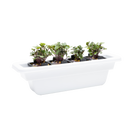
A hydroponic herb infused salad dressing recipe is exactly what it sounds like: a from-scratch dressing built around fresh herbs you've grown indoors in a soil-free, water-based system — no garden bed, no backyard, no waiting on a farmers market. Hydroponic gardens deliver nutrients directly to plant roots through a water solution, which means herbs grow faster, more consistently, and often with more concentrated flavor than their soil-grown counterparts. The result? A homegrown herb tahini dressing that tastes like it came from a serious restaurant kitchen, made entirely from plants you raised on your countertop or living room shelf.
Why Hydroponic Herbs Make a Better Salad Dressing
The flavor difference is real, and there's science behind it. A 2022 study published in the journal Horticulturae found that hydroponically grown basil produced up to 30% higher concentrations of volatile aromatic compounds — the molecules responsible for that punchy, fresh scent — compared to soil-grown basil under the same light conditions. Those aromatic compounds translate directly into flavor intensity in your dressing.
When you grow herbs in a controlled indoor environment, you eliminate the variables that degrade flavor: inconsistent rainfall, soil pH swings, pest pressure, and temperature extremes. Hydroponic systems maintain a nutrient solution at an optimal electrical conductivity (EC) — typically between 1.6 and 2.2 mS/cm for most culinary herbs — and a pH of 5.5 to 6.5, the sweet spot where herb roots absorb nutrients most efficiently. That precision grows herbs that are vibrant, tender, and packed with the oils that make dressings sing.
Parsley, basil, cilantro, chives, and dill all thrive hydroponically, and they're all excellent candidates for a tahini-based dressing. If you're growing indoors, the Personal Garden is a compact countertop system that fits neatly in a kitchen or apartment and keeps a steady rotation of fresh herbs within arm's reach of your cutting board.
What Is a Homegrown Herb Tahini Dressing?
Tahini is a paste made from ground sesame seeds — it's rich in healthy fats, has an earthy, slightly bitter backbone, and serves as an incredibly versatile emulsifier for dressings and sauces. A homegrown herb tahini dressing blends that nutty base with fresh herbs, acid (lemon juice or apple cider vinegar), garlic, and water to create something creamy, bright, and deeply layered in flavor.
According to the USDA FoodData Central database, two tablespoons of tahini provides approximately 178 calories, 5 grams of protein, and 16 grams of unsaturated fat, making it a genuinely nutritious dressing base compared to cream- or mayonnaise-heavy alternatives. When you add a generous handful of fresh hydroponic herbs, you're layering in additional micronutrients — vitamin K from parsley, antioxidants from basil, and folate from cilantro — without adding significant calories.
This style of dressing works on grain bowls, roasted vegetable platters, simple green salads, and even as a dipping sauce for flatbread. It keeps well in the refrigerator for up to five days and actually improves as the herb flavors meld overnight.
The Hydroponic Herb Infused Salad Dressing Recipe
This recipe is designed to be flexible. Use whatever combination of hydroponic herbs you have ready to harvest. The base ratios stay the same — only the herb blend changes based on what's thriving in your garden that week.
Ingredients
- ½ cup tahini (well-stirred)
- ¼ cup fresh lemon juice (about 2 lemons)
- 2 tablespoons extra-virgin olive oil
- 1 small garlic clove, minced
- ¼ teaspoon ground cumin
- ¼ teaspoon fine sea salt, plus more to taste
- ¼ cup cold water (more as needed for consistency)
- 1 packed cup fresh hydroponic herbs, roughly chopped — choose from any combination of flat-leaf parsley, basil, cilantro, chives, dill, or mint
Instructions
- Harvest your herbs. Snip stems from your indoor hydroponic garden, rinse under cool water, and pat dry. For the most vibrant flavor, harvest in the morning before the lights in your system have been on for more than a couple of hours — essential oil concentration is highest at this point.
- Build the tahini base. In a blender or food processor, combine the tahini, lemon juice, olive oil, minced garlic, cumin, and salt. Blend for 20 seconds until the mixture thickens and turns slightly pale — this is the emulsification happening in real time.
- Add the water. With the blender running, stream in the cold water one tablespoon at a time until the dressing reaches a pourable but creamy consistency. Tahini tightens before it loosens, so don't panic if it seizes up at first.
- Add the herbs. Drop in your roughly chopped hydroponic herbs and blend on high for 30 to 45 seconds until the dressing turns a beautiful pale green and the herbs are fully incorporated. Taste and adjust salt and lemon as needed.
- Rest and serve. Pour into a jar or airtight container and let sit for at least 15 minutes before serving. This rest period allows the herb flavor to fully bloom into the dressing.
Yield and Storage
Makes approximately 1 cup of dressing (8 servings of 2 tablespoons each). Store refrigerated in a sealed glass jar for up to 5 days. The dressing will thicken as it chills — just whisk in a splash of water to loosen before serving.
Which Herbs Grow Best in a Hydroponic System for This Recipe?
Not all herbs behave the same in a hydroponic setup, and knowing which ones to prioritize for a tahini dressing saves you time and maximizes your harvest. Here's a practical breakdown:
- Flat-leaf parsley is one of the most productive hydroponic herbs and a near-essential ingredient in any herb tahini sauce. It provides a clean, grassy freshness that anchors the dressing without overpowering it. Expect harvestable growth within 3 to 4 weeks from a seedling pod.
- Basil adds sweetness and a floral, slightly peppery note. Sweet Genovese basil is the classic choice, but Thai basil introduces an anise-like complexity that pairs beautifully with tahini's bitterness. Basil loves warmth — keep your system away from cold drafts.
- Cilantro brings citrus and brightness. It's a faster-growing herb hydroponically and tends to bolt (go to seed) quickly in warm conditions, so harvest frequently and keep the light cycle consistent.
- Chives deliver a mild onion flavor that integrates seamlessly into a tahini base. They're among the lowest-maintenance herbs in any hydroponic system and regrow reliably after cutting.
- Dill adds a feathery, slightly anise-like note that works especially well in this dressing when serving alongside cucumbers or roasted carrots.
The The Rise Garden 3 is a full-size indoor hydroponic system with enough growing capacity to keep several herb varieties going simultaneously, so you always have options when it's time to blend a dressing. If you want an even more elevated setup with furniture-grade design that fits naturally into your living or dining space, The Rise Loft offers a premium growing environment with the same hydroponic precision.
To get started quickly, Rise Gardens offers pre-seeded seed pods for basil, parsley, cilantro, chives, dill, and mint — making it easy to plant exactly what you need for this recipe without sourcing seeds separately.
How Does Growing Your Own Herbs Hydroponically Save Money on Groceries?
Fresh herbs are one of the most expensive items per ounce in the grocery store, and they're notoriously wasteful — most store-bought bundles contain far more than a single recipe requires, and the remainder wilts within days. A 2021 report from the Natural Resources Defense Council found that fresh herbs are among the top 10 most wasted food items in American households, with an estimated $1.3 billion worth of fresh herbs discarded annually across the country.
Growing hydroponically at home eliminates that waste cycle entirely. You harvest only what you need, when you need it, and the plant keeps producing. A single basil pod in a hydroponic system can yield cuttings for 8 to 12 weeks with proper care — compared to a $3 to $4 grocery store bundle that typically lasts 3 to 5 days in the refrigerator.
The economics compound quickly. Regular users of fresh herbs who switch to hydroponic home growing typically recoup the cost of their system within the first growing season when accounting for the retail value of herbs harvested. Keeping your plants healthy is straightforward with the right nutrients — the liquid nutrient solution that feeds your plants through the water system and keeps growth consistent from pod to pod.
Tips for Perfecting Your Indoor Garden Tahini Recipe Every Time
Technique matters as much as ingredients when making an indoor garden tahini recipe that consistently delivers. A few practical notes:
Balance bitter and bright
Tahini can run bitter depending on the brand and the sesame variety used. If your dressing tastes sharp or astringent, add another half-teaspoon of lemon juice and a pinch more salt before adding extra herbs — acid and salt suppress bitterness more effectively than more herb volume does.
Don't skip the rest period
Fresh herbs release their aromatic compounds into the fat in the dressing over time. Fifteen minutes of rest produces a noticeably more integrated, complex flavor than serving immediately after blending.
Match the herb blend to the dish
A parsley-and-chive dominant dressing pairs well with roasted root vegetables and grain bowls. A basil-forward blend complements tomatoes, fresh mozzarella, and summer greens. A cilantro-heavy version shines over tacos, black bean salads, and roasted sweet potato. Knowing your serving context before you harvest helps you customize the dressing for maximum impact.
Adjust water temperature for texture
Cold water keeps the dressing emulsified and thick. Room-temperature or warm water can cause the tahini to break. Always use cold water when blending and when thinning the dressing before serving.
Store herbs properly before blending
If you harvest herbs and aren't blending immediately, keep them in a glass of water on the counter (like cut flowers) for up to a day, or wrap loosely in a damp paper towel and refrigerate. Wilted herbs produce a dull, flat dressing — freshness is everything here.
Frequently Asked Questions
Can I use dried herbs instead of fresh hydroponic herbs in this tahini dressing?
You can, but the result will be significantly different. Dried herbs lack the moisture content and volatile aromatic compounds that make fresh herbs vibrant in a blended dressing — the color will be dull and the flavor muted. If fresh herbs aren't available, use about one-third the volume of dried herbs, but consider this a backup option rather than an equivalent substitute.
How long does hydroponic herb tahini sauce last in the refrigerator?
Stored in a sealed glass jar, this dressing keeps well for up to 5 days refrigerated. The herb flavor deepens over the first 24 hours and then gradually fades after day three. Always give the jar a good shake or stir before serving, as natural separation occurs. Do not freeze — the emulsion breaks and the herb color turns army green.
What pH should my hydroponic water be for growing herbs used in cooking?
Most culinary herbs perform best in a hydroponic nutrient solution maintained between pH 5.5 and 6.5. At this range, the plant roots can absorb the full spectrum of macro and micronutrients available in the solution. pH above 7.0 or below 5.0 causes nutrient lockout, which stunts growth and reduces the aromatic oil content that makes these herbs flavorful. Rise Gardens systems are designed to maintain stable pH with the compatible liquid nutrient formula.
Which hydroponic herb grows the fastest for use in salad dressings?
Chives and cilantro are typically the fastest-producing herbs in a hydroponic system, often reaching harvestable size within 2 to 3 weeks from a seedling pod. Basil and parsley follow closely at 3 to 4 weeks. Dill is slightly slower but worth the wait for its distinctive flavor contribution. Planting multiple herb varieties simultaneously ensures you always have something ready to harvest for a fresh dressing.