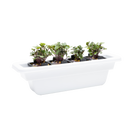
This hydroponic herb infused whipped ricotta recipe transforms a simple Italian cheese into a showstopping fresh herb spread that tastes like it came from a high-end bistro — because the herbs actually came from your kitchen. Whipped ricotta is a creamy, aerated version of traditional ricotta cheese, made by blending or whipping it until light and smooth, then folding in fresh aromatics. When those aromatics are snipped straight from a hydroponic indoor garden, the flavor is noticeably brighter, more vivid, and more complex than anything from a plastic clamshell at the grocery store. Whether you are hosting a dinner party or just want a weeknight indoor garden appetizer that feels elevated, this recipe delivers every single time.
Why Hydroponic Herbs Make a Better Whipped Ricotta
Flavor starts at the root level — literally. Hydroponic herbs are grown in a nutrient-rich water solution rather than soil, which means they receive a precisely controlled diet of macronutrients and micronutrients directly to their roots. This method produces herbs with consistently high essential oil content, and essential oils are what give basil its sweetness, thyme its earthiness, and chives their gentle onion bite.
A study from the University of Mississippi found that hydroponically grown basil contained up to 20% higher concentrations of volatile aromatic compounds compared to soil-grown counterparts under equivalent lighting conditions. Those volatile compounds are exactly what you taste when you take a bite of a well-made homegrown herb dip. Simply put, more aromatic compounds mean more flavor per leaf.
Beyond flavor, indoor hydroponic growing eliminates the risk of soil-borne pathogens on herbs you plan to eat raw — a meaningful benefit when your fresh herb spread recipe will go straight from plant to plate without any cooking. The NASA Veggie project, which pioneered controlled-environment plant research aboard the International Space Station, demonstrated that leafy greens and herbs grown in hydroponic systems maintained safe microbial profiles when grown under clean, managed conditions. That same principle applies to a well-maintained home hydroponic garden.
If you are growing herbs at home for cooking, a Personal Garden is a compact countertop hydroponic system that fits neatly on a kitchen counter and keeps six to eight herb plants within arm's reach of your cutting board at all times.
What Herbs Work Best in a Hydroponic Herb Infused Whipped Ricotta Recipe?
The right herb combination is what separates a good whipped ricotta from a genuinely memorable one. For this fresh herb spread recipe, you want a mix of bright, grassy notes and deeper, savory undertones. Here are the top performers from a hydroponic indoor garden:
- Basil (Sweet or Genovese): The star of this recipe. Genovese basil grown hydroponically produces large, fragrant leaves with a sweet, slightly peppery finish. Harvest just before the plant tries to bolt for peak oil content.
- Chives: Mild allium flavor that layers beautifully with the richness of ricotta. Chives regrow quickly after cutting, making them one of the most harvest-efficient herbs in a hydroponic setup. One chive pod can yield cuttings every 7 to 10 days once mature.
- Thyme (Lemon or Common): A small amount goes a long way. Thyme adds a woody, herbal backbone that prevents the spread from tasting one-dimensional.
- Flat-Leaf Parsley: Brightens the overall flavor profile and adds a pleasant, slightly bitter counterpoint to the cream and fat in the ricotta.
- Dill: Optional but exceptional. Dill pairs beautifully with ricotta and makes the finished homegrown herb dip feel distinctly fresh and Scandinavian-inspired.
- Mint: Use sparingly. A few leaves of spearmint or peppermint add an unexpected coolness that works especially well if you are serving the dip alongside sliced cucumbers or stone fruit.
You can plant any of these varieties using Rise Gardens seed pods, which are pre-seeded growing pods designed specifically for the Rise system — no soil, no mess, and no guesswork about germination depth or spacing.
The Full Hydroponic Herb Infused Whipped Ricotta Recipe
This recipe serves four to six as an appetizer and takes about ten minutes from harvest to plate. The only equipment you need is a food processor or stand mixer and a serving bowl.
Ingredients
- 2 cups whole-milk ricotta (drained overnight in a fine mesh strainer if possible — this removes excess whey and creates a creamier base)
- 3 tablespoons extra-virgin olive oil, plus more for drizzling
- 1 small garlic clove, minced or grated on a microplane
- Zest of one lemon
- 1 tablespoon fresh lemon juice
- ¼ cup freshly harvested basil leaves, roughly torn
- 2 tablespoons freshly snipped chives
- 1 tablespoon fresh thyme leaves (stripped from stems)
- 2 tablespoons flat-leaf parsley, chopped
- ½ teaspoon flaky sea salt, plus more to taste
- ¼ teaspoon freshly cracked black pepper
- Optional: 1 tablespoon fresh dill or 4 to 5 fresh mint leaves
Instructions
- Drain the ricotta. If you have not pre-drained it overnight, place it in a cheesecloth-lined strainer over a bowl and press gently. Even 15 minutes of draining improves texture significantly.
- Whip the base. Add the drained ricotta and olive oil to a food processor. Process for 90 seconds until the texture becomes noticeably lighter and smoother. Alternatively, use a stand mixer with the whisk attachment on medium-high speed for two minutes.
- Add acid and aromatics. Add the garlic, lemon zest, and lemon juice. Pulse five to six times to incorporate. Taste and adjust salt.
- Fold in the herbs. Transfer the whipped ricotta to a bowl. Fold in all the fresh herbs by hand using a rubber spatula. Folding — rather than blending — preserves the bright green color of the herbs and creates appealing flecks throughout the spread.
- Finish and serve. Spoon into a shallow serving bowl. Use the back of the spoon to create a swirl. Drizzle generously with olive oil, add a pinch of flaky salt, and garnish with a few whole herb leaves from your garden.
Serving Suggestions
This indoor garden appetizer is remarkably versatile. Serve it with grilled sourdough crostini, warm pita, sliced radishes, or cucumber rounds. It also works beautifully as a spread under roasted cherry tomatoes on toast, or dolloped alongside lamb chops. Stored in an airtight container in the refrigerator, it keeps well for up to three days — though the fresh herb color is most vivid on day one.
How Do You Grow Herbs Hydroponically for Cooking?
Growing culinary herbs hydroponically is more straightforward than most people expect. The fundamental principle is simple: plant roots sit in or near a nutrient-enriched water solution, and LED grow lights provide the spectrum of light the plant needs for photosynthesis. There is no soil to amend, no outdoor season to wait for, and no pest pressure from ground insects.
A few key terms worth understanding:
- EC (Electrical Conductivity): A measurement of how concentrated the nutrient solution is. Herbs generally thrive at an EC between 1.6 and 2.2 mS/cm. Too low and growth slows; too high and roots can be damaged by nutrient burn.
- pH: The acidity level of the water. Hydroponic herbs prefer a pH range of 5.5 to 6.5. Outside this window, plants cannot absorb nutrients efficiently regardless of how much is present in the water.
- Nutrients: The dissolved minerals that feed plant growth — primarily nitrogen, phosphorus, and potassium, plus essential micronutrients like calcium, magnesium, and iron. Rise Gardens offers a complete line of nutrients formulated specifically for hydroponic food crops.
According to the USDA Economic Research Service, Americans spend an average of $4.50 to $6.00 per week on fresh herbs from grocery stores — adding up to roughly $234 to $312 per year. A single indoor hydroponic garden running multiple herb varieties can replace that spending almost entirely while also delivering herbs that are fresher, more flavorful, and available on demand at any hour.
For households that want more growing capacity — enough to supply herbs for cooking, entertaining, and recipes like this whipped ricotta throughout the year — The Rise Garden 3 is a full-size indoor hydroponic system that supports up to 36 plant pods across three growing levels. It is engineered to keep multiple crop rotations running simultaneously so you always have something ready to harvest.
Tips for Getting the Most Flavor from Your Hydroponic Herb Harvest
Growing herbs is only half the equation. Harvesting and handling them correctly makes a significant difference in how much flavor ends up in your finished fresh herb spread recipe.
Harvest in the morning. Essential oil concentrations in herbs are highest in the early part of the day, before the plant has experienced extended light exposure and heat. In a controlled indoor environment, this means harvesting before you turn lights to their peak intensity setting, if your system supports scheduling.
Cut above a leaf node. When you snip basil, thyme, or parsley, cut just above a set of leaves rather than stripping the entire stem. This encourages the plant to branch and produce more harvestable growth within days rather than weeks.
Use immediately. Freshly cut herbs begin losing volatile aromatic compounds within hours of harvest. For maximum flavor in your homegrown herb dip, snip herbs and use them within 30 minutes. This is one of the most meaningful flavor advantages of growing herbs indoors — the distance from garden to plate is measured in steps, not miles.
Do not wash hydroponic herbs in advance. If your indoor garden is clean and well-maintained, a quick rinse right before use is all that is needed. Pre-washing and refrigerating herbs accelerates wilting and aroma loss.
For those who want the largest possible culinary garden with premium furniture-quality design, The Rise Loft is a floor-standing indoor hydroponic garden built with furniture-grade materials that integrates beautifully into living spaces, dining rooms, and open kitchens — keeping your herb supply visually stunning and endlessly functional.
Can You Make Whipped Ricotta Ahead of Time?
Yes — with a few caveats. The whipped ricotta base (without herbs) can be made up to 24 hours in advance and stored covered in the refrigerator. It will stiffen slightly as it chills, so let it sit at room temperature for 10 to 15 minutes before serving and give it a quick stir to restore its creamy texture.
The herbs, however, are best added as close to serving time as possible. Fresh basil in particular oxidizes quickly once cut and mixed into an acidic environment — you will notice darkening of the leaves within a few hours. If you must assemble fully in advance, use heartier herbs like thyme and chives as your primary mix-ins, and reserve the basil and parsley for a fresh garnish added right before the dish hits the table.
One exception: if you blend the herbs directly into the ricotta using a food processor rather than folding them in, the emulsification actually slows oxidation somewhat. The texture will be uniformly pale green rather than cream-with-flecks, which is a valid and beautiful presentation in its own right — particularly for a dinner party where you want a visually cohesive indoor garden appetizer.
Frequently Asked Questions
What type of ricotta is best for whipped ricotta?
Whole-milk ricotta produces the creamiest, most flavorful result because the higher fat content whips into a lighter, more stable texture. Part-skim ricotta can be used but produces a slightly grainier, less rich spread. Draining the ricotta for at least 15 minutes before whipping — or overnight in the refrigerator — removes excess liquid whey and significantly improves the final consistency regardless of which variety you use.
How long do hydroponic herbs take to grow before they are ready to harvest?
Most culinary herbs reach their first harvest stage within 3 to 5 weeks from transplanting in a hydroponic system, which is typically 30 to 50% faster than soil growing due to the direct nutrient delivery and optimized lighting. Basil is usually ready for its first cut at around 4 weeks, while chives and parsley can take up to 5 weeks. After the initial harvest, established plants can be cut every 7 to 14 days depending on the herb variety.
Can I substitute dried herbs if I do not have fresh herbs available?
Dried herbs will work in a technical sense but the result will be noticeably less vibrant — both in flavor and appearance. Dried herbs lack the volatile aromatic compounds and water content that make a fresh herb spread recipe come alive on the palate. If fresh is not available, use roughly one-third the quantity of dried herbs called for and rehydrate them briefly in the olive oil before mixing. This approach partially restores their aromatic character.
What can I serve with whipped ricotta besides bread?
Whipped ricotta is an extremely versatile homegrown herb dip that pairs well far beyond crostini. Try it with raw vegetables like radishes, endive leaves, snap peas, and sliced fennel for a lighter presentation. It also works as a base layer under roasted vegetables, as a spread inside wraps and flatbreads, as a topping for grain bowls, or dolloped alongside poached eggs on toast. The herb combination in this recipe is savory enough to complement proteins like smoked salmon or prosciutto as well.