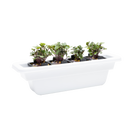
A hydroponic herb pesto flatbread recipe is exactly what it sounds like: a rustic, flavor-packed flatbread topped with a vibrant pesto sauce made entirely from herbs you've grown yourself in a soil-free, water-based growing system. Hydroponics is a method of cultivating plants using nutrient-rich water rather than soil, delivering minerals directly to the roots for faster, more consistent growth. The result? Basil that's more aromatic, parsley that's crisper, and oregano that punches well above its weight — all ready to harvest on your kitchen counter and transform into something truly delicious. This guide walks you through growing your own herbs, blending them into a bold homemade pesto, and layering them onto a crispy homegrown herb flatbread that's equal parts simple and impressive.
Why Hydroponic Herbs Make the Best Pesto
Not all basil is created equal. Walk into any grocery store and you'll find pre-packaged herbs that were harvested days — sometimes weeks — ago, losing flavor compounds with every hour they sit under fluorescent lighting. Hydroponic herbs grown at home are harvested at peak freshness, which makes a measurable difference in the kitchen.
According to a study published by researchers at the University of Mississippi, fresh basil contains significantly higher concentrations of volatile aromatic compounds — the molecules responsible for that signature sweet, peppery scent — compared to dried or stored alternatives. Those compounds are the backbone of great pesto.
Hydroponically grown plants also tend to grow 30–50% faster than their soil-grown counterparts, according to controlled agriculture research, meaning you're never waiting long between harvests. A basil plant started in a Rise Gardens system can typically be harvested in as little as 3–4 weeks from seedling stage under optimized light and nutrient conditions.
For pesto, you'll want a generous handful of fresh basil as your base, but the real magic happens when you layer in complementary herbs. Flat-leaf parsley adds brightness, fresh oregano brings earthiness, and even a few sprigs of arugula contribute a peppery bite that elevates the whole blend. All of these grow beautifully in an indoor hydroponic garden and are available as seed pods specifically formulated for Rise Gardens systems.
How to Grow Pesto Herbs Indoors with a Hydroponic Garden
Growing herbs hydroponically at home is more straightforward than most people expect. The core variables are light, water temperature, pH, and nutrient concentration (measured as electrical conductivity, or EC). For leafy herbs like basil and parsley, you're targeting a pH between 5.5 and 6.5 and an EC between 1.0 and 1.6 mS/cm — both of which Rise Gardens systems manage with minimal intervention on your part.
NASA's Veggie project, which has studied plant growth aboard the International Space Station, confirmed that leafy greens and herbs grown in controlled, soil-free environments can produce yields nutritionally comparable to conventionally grown produce. That same principle applies to your countertop system here on Earth.
Here's what you need to get started:
- A hydroponic garden system: The Personal Garden is a compact countertop option that holds up to 9 pods — perfect for a dedicated herb garden. If you want more growing capacity to keep a continuous harvest going, the The Rise Garden 3 gives you three full tiers and room for dozens of plant varieties at once.
- Herb seed pods: Basil, flat-leaf parsley, and oregano are your pesto essentials. Arugula is a great bonus add.
- Nutrients: Rise Gardens nutrients are pre-measured and pH-balanced for their systems, so you don't need a chemistry degree to keep your plants thriving.
Once your herbs reach a height of 4–6 inches with multiple sets of leaves, they're ready to harvest. Always cut just above a leaf node to encourage bushier regrowth, and never remove more than one-third of the plant at a time. With that approach, a single basil plant can provide multiple harvests over several months.
The Hydroponic Herb Pesto Flatbread Recipe
This is the recipe you came for. It's designed to use exactly the herbs you'd grow in a home hydroponic setup — no specialty store required.
Ingredients
For the flatbread dough (makes 2 flatbreads):
- 2 cups all-purpose flour
- 1 tsp instant yeast
- ¾ tsp salt
- ¾ cup warm water (around 110°F)
- 1 tbsp olive oil
For the hydroponic herb pesto:
- 2 cups fresh hydroponic basil leaves, loosely packed
- ½ cup flat-leaf parsley leaves
- ¼ cup fresh oregano leaves
- 2 cloves garlic
- ⅓ cup toasted pine nuts (walnuts work great too)
- ½ cup good-quality Parmesan, freshly grated
- ½ cup extra-virgin olive oil
- Juice of half a lemon
- Salt and black pepper to taste
Flatbread toppings:
- Fresh mozzarella, torn
- Cherry tomatoes, halved
- Extra fresh basil and arugula to finish
- Drizzle of olive oil and flaky sea salt
Instructions
Step 1 — Make the dough. Combine flour, yeast, and salt in a large bowl. Add warm water and olive oil, mixing until a rough dough forms. Knead for 6–8 minutes on a lightly floured surface until smooth and elastic. Place in an oiled bowl, cover, and let rest for 45–60 minutes until slightly puffed. (This dough doesn't need a dramatic rise — you're going for a light, chewy texture, not a thick bread.)
Step 2 — Blend the pesto. Combine basil, parsley, oregano, and garlic in a food processor. Pulse several times to break down the leaves. Add pine nuts and Parmesan, then pulse again. With the processor running, stream in olive oil until you reach a thick, spreadable consistency. Add lemon juice, then season with salt and pepper. Taste as you go — your homegrown herbs will be noticeably more potent than store-bought, so you may need less of everything.
Step 3 — Shape and par-bake. Preheat your oven to 475°F (or as hot as it goes) with a baking sheet or pizza stone inside. Divide the dough into two balls and roll each out to roughly ¼-inch thickness in an oval or freeform shape. Carefully transfer to parchment paper, brush lightly with olive oil, and slide onto the preheated surface. Bake for 4–5 minutes until just set but not yet golden.
Step 4 — Top and finish. Pull the par-baked flatbreads out and spread a generous layer of pesto across each one. Add torn mozzarella and halved cherry tomatoes. Return to the oven for another 6–8 minutes until the edges are golden and the cheese is bubbling. Finish with fresh basil leaves, a handful of arugula, a drizzle of olive oil, and flaky sea salt. Serve immediately.
What Indoor Garden Flatbread Toppings Work Best with Homegrown Herbs?
The pesto base in this recipe is incredibly versatile, and your indoor garden flatbread topping options extend well beyond what's listed above. Once you're growing herbs consistently, you'll find yourself reaching for them constantly. Here are a few topping combinations that work especially well with hydroponic herb pesto as a base:
- Mediterranean style: Kalamata olives, roasted red peppers, feta cheese, and fresh thyme
- White flatbread: Ricotta, caramelized onion, fresh rosemary, and thinly sliced pear
- Protein-forward: Prosciutto, fresh fig, torn burrata, and microgreens from your garden
- Vegetable-forward: Thinly sliced zucchini, garlic-sautéed mushrooms, shaved asparagus, and fresh chives
The common thread is freshness. Because your herbs are harvested the same day you're cooking, they hold their color and aroma through the heat of the oven in a way that pre-packaged herbs simply can't. That's the advantage of a fresh herb pizza recipe built around a living herb garden in your home.
Can You Freeze Hydroponic Herb Pesto?
Yes — and you should. One of the practical challenges of growing herbs hydroponically is that your plants will occasionally produce more than you can use in a single meal. Basil especially tends to flush out large quantities of leaves right before it bolts (begins flowering), which is your signal to harvest aggressively.
Pesto freezes exceptionally well. Spoon your finished pesto into an ice cube tray, drizzle a thin layer of olive oil over the top of each section to prevent oxidation, and freeze until solid. Transfer the cubes to a zip-lock bag and store for up to 6 months. Each cube is roughly 2 tablespoons — perfect for tossing with pasta, spreading on flatbread, or stirring into soups straight from frozen.
A batch made with 2 cups of basil yields approximately 1 to 1.5 cups of pesto, which translates to 8–12 frozen cubes. That's a lot of future meals from a single harvest session.
How Does a Rise Gardens System Make This Recipe Easier?
The honest answer is that it removes the biggest friction point: having fresh herbs available when you actually want to cook. Most home cooks who rely on store-bought herbs either forget to buy them, find they've already wilted in the crisper drawer, or avoid recipes that call for large quantities because the cost adds up fast. A bunch of fresh basil at the grocery store can run $3–5 for just 0.75–1 oz of leaves — and you'll need at least 2 oz for a proper pesto batch.
With a hydroponic garden at home, your herbs are always at arm's reach and available in the quantities you actually need. The The Rise Loft takes that convenience further with a furniture-grade design that integrates your growing system into your living space — so your herbs aren't tucked away in a utility corner, they're part of your kitchen or dining room aesthetic.
Rise Gardens systems use full-spectrum LED lighting on automated schedules, which means your herbs receive consistent light even through winter months when natural light drops off. For culinary herbs, this consistency is what keeps flavor compounds at their peak throughout the year.
Frequently Asked Questions
What herbs grow best for pesto in a hydroponic system?
Basil is the classic pesto herb and one of the easiest to grow hydroponically — it thrives under full-spectrum LED light and prefers a pH between 5.5 and 6.5. Flat-leaf parsley, oregano, and arugula are excellent additions that grow well alongside basil in most indoor garden setups. All four are available as Rise Gardens seed pods and can be planted in the same system at the same time.
How long does it take to grow enough basil for pesto?
In a Rise Gardens hydroponic system, basil typically reaches a harvestable size of 4–6 inches within 3–4 weeks from transplanting the seedling pod. For a full pesto batch requiring 2 cups of loosely packed leaves, you'll want 2–3 established plants producing simultaneously. Staggering your plantings by two weeks ensures you always have a plant at peak harvest stage.
Can I use hydroponic herbs in place of store-bought herbs in any pesto recipe?
Absolutely — and in most cases the results will be noticeably better. Hydroponic basil tends to be more aromatic than commercially grown basil because it's harvested at peak freshness rather than after days of transit and storage. You may find you need slightly less herb to achieve the same intensity of flavor, so start with the recommended amount and adjust to taste.
Is homegrown herb flatbread difficult to make without a pizza oven?
Not at all. A standard home oven cranked to its highest temperature (typically 475–500°F) with a preheated baking sheet or cast iron pan inside produces excellent results. The key is preheating your cooking surface so the bottom of the flatbread gets immediate heat contact, which creates a crispy base. A pizza stone works even better if you have one, but it's not a requirement for a great result.