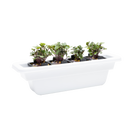
If you've ever wanted a brunch dish that tastes like it came from a high-end restaurant kitchen — and you grew the herbs yourself — this hydroponic herb salsa verde eggs benedict recipe is exactly what you've been looking for. This recipe swaps the classic Canadian bacon and heavy hollandaise for a vibrant, herbaceous salsa verde made with fresh parsley, tarragon, chives, and basil harvested straight from your indoor hydroponic garden, paired with a lighter homemade hollandaise with fresh herbs that brightens every single bite. Whether you're hosting a weekend brunch or just treating yourself, this hydroponic herb breakfast recipe delivers restaurant-quality flavor with ingredients you grew at home.
Why Salsa Verde Eggs Benedict Is the Brunch Upgrade You Need
Traditional eggs benedict is a classic for a reason — poached eggs, rich hollandaise, and a toasted English muffin make for an undeniably satisfying combination. But the salsa verde version takes that foundation and layers in something extraordinary: a bold, bright sauce built on fresh herbs, lemon zest, capers, and good olive oil. Salsa verde, which translates literally to "green sauce," is an Italian condiment typically made with flat-leaf parsley as its base, then rounded out with herbs like tarragon, chives, or basil depending on the cook's preference.
The result is a dish with real herbaceous complexity — something you simply cannot replicate with dried herbs from a jar. Research from the University of California Cooperative Extension has found that fresh herbs can contain up to 80% more volatile aromatic compounds than their dried counterparts, which is exactly why freshly harvested herbs make such a dramatic difference in flavor-forward sauces like salsa verde. When those herbs come from your own hydroponic garden, they're harvested at peak potency — no wilting, no transport time, no compromise.
Hydroponic herbs grow in a nutrient-rich water solution rather than soil, allowing plants to absorb what they need directly through their root systems. Studies supported by NASA's Veggie project have demonstrated that plants grown hydroponically can grow up to 50% faster than soil-grown counterparts under optimized light conditions, which means you're never more than a few weeks away from a fresh herb harvest. For a brunch recipe from an indoor garden, that speed and consistency is a genuine advantage.
What Herbs Grow Best for a Hydroponic Herb Breakfast Recipe?
Building a salsa verde that sings starts with choosing the right herbs, and the good news is that all of the best candidates thrive in a hydroponic system. Here's what to grow and why each earns its place in this recipe:
- Flat-leaf Italian parsley: The backbone of any classic salsa verde. Parsley is one of the most reliable herbs in hydroponics, germinating in as few as 14 days and producing continuous harvests when trimmed regularly.
- French tarragon: Adds an anise-like sweetness that pairs beautifully with egg dishes. Tarragon is also a key flavoring in traditional French hollandaise variations, so it does double duty in this recipe.
- Chives: Mild onion flavor with a fresh, grassy quality. Chives grow quickly in hydroponic systems and can be snipped continuously without harming the plant.
- Basil: Adds sweetness and a slight peppery note. Basil loves warmth and consistent light — conditions that indoor hydroponic gardens are specifically designed to maintain.
- Lemon thyme (optional): A fragrant addition that amplifies the citrus notes already present in salsa verde from the lemon juice.
All of these herbs are available as seed pods through Rise Gardens, pre-seeded and ready to drop into your garden system. If you're just getting started, a Personal Garden is a compact countertop hydroponic garden that fits neatly on a kitchen counter — ideal for growing a curated selection of culinary herbs within arm's reach of your stove.
The Full Hydroponic Herb Salsa Verde Eggs Benedict Recipe
This recipe serves 2 and takes approximately 35 minutes from start to finish. Read through all components before beginning so everything comes together at the right time.
Ingredients
For the salsa verde:
- 1 cup fresh flat-leaf parsley, tightly packed (from your hydroponic garden)
- 2 tablespoons fresh tarragon leaves
- 2 tablespoons fresh chives, roughly chopped
- 1 tablespoon fresh basil leaves
- 1 tablespoon capers, drained
- 1 small garlic clove
- 1 tablespoon fresh lemon juice
- 1 teaspoon lemon zest
- ⅓ cup good-quality extra virgin olive oil
- Salt and black pepper to taste
For the homemade hollandaise with fresh herbs:
- 3 large egg yolks
- 1 tablespoon fresh lemon juice
- 1 stick (½ cup) unsalted butter, melted and kept warm
- 1 tablespoon finely chopped fresh tarragon
- 1 tablespoon finely snipped fresh chives
- Pinch of cayenne pepper
- Salt to taste
For assembly:
- 4 large eggs, for poaching
- 2 English muffins, split and toasted
- 4 slices of prosciutto or smoked salmon (or omit for a vegetarian version)
- 1 tablespoon white vinegar (for poaching water)
Instructions
Step 1 — Make the salsa verde. Combine the parsley, tarragon, chives, basil, capers, garlic, lemon juice, and lemon zest in a food processor. Pulse 8–10 times until roughly chopped but not completely smooth — you want some texture. With the machine running, drizzle in the olive oil. Season with salt and pepper. Taste and adjust lemon or salt as needed. Set aside at room temperature.
Step 2 — Make the herb hollandaise. In a heatproof bowl set over a saucepan of barely simmering water (make sure the bowl doesn't touch the water), whisk the egg yolks and lemon juice together vigorously for about 2–3 minutes, until the mixture thickens slightly and becomes pale yellow. Remove from heat and very slowly drizzle in the warm melted butter while whisking constantly. The sauce should emulsify into a smooth, creamy consistency. Fold in the chopped tarragon, chives, and cayenne. Season with salt. Keep warm over the pan of hot water with the heat off, whisking occasionally.
Step 3 — Poach the eggs. Fill a wide, shallow saucepan with about 3 inches of water and bring to a gentle simmer. Add the white vinegar. Crack each egg into a small cup. Create a gentle swirl in the water with a spoon, then slide each egg in one at a time. Poach for 3–3.5 minutes for a runny yolk. Remove with a slotted spoon and rest briefly on a paper towel.
Step 4 — Assemble. Place two toasted English muffin halves on each plate. Layer with prosciutto or smoked salmon if using. Spoon a generous amount of salsa verde over each muffin half, then top with a poached egg. Finish with a drizzle of the fresh herb hollandaise and a few extra snipped chives. Serve immediately.
How Does an Indoor Hydroponic Garden Make This Recipe Better?
The honest answer: dramatically. This is one of those recipes where freshness isn't a preference — it's the whole point. Salsa verde made with herbs that were cut five minutes ago has a vibrancy and brightness that store-bought produce can't match. According to the USDA, fresh herbs begin losing their volatile flavor compounds within hours of harvest, which means supermarket herbs — typically 3 to 7 days post-harvest by the time they reach your kitchen — deliver a noticeably muted result.
An indoor hydroponic garden changes that equation entirely. With a system like The Rise Garden 3, a full-size indoor hydroponic garden system, you can maintain a diverse herb garden year-round regardless of season or climate. The LED grow lights provide the full spectrum of wavelengths herbs need to produce the aromatic oils responsible for flavor, and the hydroponic nutrient delivery system — where plants receive water mixed with a balanced solution of macro and micronutrients — means plants grow consistently and vigorously. You can explore Rise Gardens' nutrients to find the right formula for your herb grow.
For those with more space and an eye for design, The Rise Loft is a premium indoor garden with furniture-grade design that integrates beautifully into a dining room or open kitchen, making it as much a conversation piece as a food production system. Imagine hosting brunch and walking two steps to harvest the herbs going directly onto the plate — that's a genuinely impressive culinary moment.
Hydroponics also offers measurable efficiency. A 2020 analysis found that hydroponic systems use approximately 90% less water than conventional soil-based growing, because water is recirculated through the system rather than lost to evaporation or runoff. For a household herb garden, that's a meaningful environmental advantage alongside the flavor benefits.
Tips for Timing and Hosting a Brunch from Your Indoor Garden
Brunch recipes from an indoor garden are only as good as the execution, and eggs benedict has a few moving parts that benefit from a little prep strategy. Here's how to pull it together without stress:
- Make the salsa verde the night before. It actually improves after a few hours in the refrigerator as the flavors meld. Bring it back to room temperature before serving and stir well.
- Keep hollandaise warm carefully. Hollandaise is an emulsion sauce, meaning it can break if it gets too hot or sits too long. Keep it in a warm (not hot) water bath and whisk it every few minutes. If it thickens too much, whisk in a teaspoon of warm water.
- Pre-poach your eggs. For a crowd, poach eggs 2–3 minutes early, then slide them into a bowl of ice water. When ready to serve, drop them back into hot water for 30–60 seconds to rewarm.
- Harvest herbs the morning of. Rinse them gently and pat dry. This is the one step where freshness matters most — don't cut corners here.
- Taste your salsa verde before serving. Every batch of herbs is slightly different. You may need a touch more lemon, a bit more salt, or an extra tablespoon of olive oil depending on your harvest.
Frequently Asked Questions
Can I grow all the herbs for this recipe in one indoor hydroponic garden?
Yes — parsley, tarragon, chives, and basil all grow well together in hydroponic systems and have similar light and nutrient requirements. A compact system like the Personal Garden can support 4–6 herb pods simultaneously, which is more than enough to keep you stocked for regular cooking. Just be sure to harvest regularly to encourage bushy, productive growth rather than tall, leggy plants.
What is salsa verde and how is it different from regular hot sauce?
Salsa verde is a fresh Italian herb sauce made primarily with parsley, olive oil, lemon juice, capers, and garlic. Unlike hot sauce or Mexican salsa verde (which is made with tomatillos), Italian salsa verde is uncooked, oil-based, and relies entirely on fresh herbs for its flavor. It's bright and tangy rather than spicy, which makes it an ideal contrast to the richness of eggs benedict hollandaise.
How do I prevent hollandaise from breaking?
The key is temperature control and patience. Always add the melted butter slowly — start with just a few drops while whisking, then increase to a thin, steady stream once the emulsion begins to form. Keep your double boiler water at a gentle simmer, never a rolling boil. If your sauce does break, you can sometimes rescue it by whisking a fresh egg yolk in a clean bowl and slowly adding the broken sauce to it, just as you would restart the recipe.
Do hydroponic herbs taste different from soil-grown herbs?
Many growers and chefs report that hydroponically grown herbs taste at least as good as, and often more vibrant than, soil-grown herbs — largely because of harvest timing. Hydroponic herbs are typically harvested fresh and used immediately, while soil-grown herbs from grocery stores may have been sitting for days. Research indicates that herb flavor is most concentrated at the point of harvest, meaning the main factor is freshness rather than growing medium.