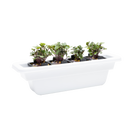
If you've ever wanted to take your hummus game to the next level, a hydroponic hummus recipe is exactly what you need. This is hummus made with fresh herbs — parsley, garlic chives, and basil — harvested directly from your indoor hydroponic garden, where plants grow in nutrient-rich water instead of soil. The result is a brighter, more aromatic dip than anything you'll pull from a store shelf. Hydroponics, by definition, is a method of growing plants without soil by delivering water and dissolved nutrients directly to the root zone — and the herbs it produces are remarkably clean, tender, and flavorful. This guide walks you through growing your own herbs at home and blending them into a silky, homegrown herb hummus you'll want to make every week.
Why Hydroponic Herbs Make Better Hummus
The difference between dried or grocery-store herbs and freshly harvested hydroponic herbs is measurable, not just noticeable. Hydroponically grown plants receive a precisely calibrated nutrient solution — measured in electrical conductivity (EC) and pH — that ensures they're taking up exactly what they need, when they need it. The result is more consistent growth and, in many cases, higher concentrations of the flavor compounds that make herbs like parsley and basil so aromatic.
According to a study published by researchers at the University of Arizona's Controlled Environment Agriculture Center, hydroponic basil grown under optimized conditions showed higher essential oil content compared to field-grown counterparts. Those essential oils — linalool, eugenol, and others — are exactly what you're tasting when a dish comes alive with fresh herb flavor.
For hummus specifically, fresh parsley adds a grassy brightness that dried parsley simply cannot replicate. Fresh garlic from your garden — or freshly harvested garlic chives — brings a cleaner, less pungent punch than the kind sitting in your fridge for two weeks. When you build a hydroponic chickpea dip with fresh herbs, you're using ingredients at peak potency, harvested minutes before they hit the food processor.
Hydroponics also lets you grow year-round regardless of climate. According to the USDA, fresh vegetable and herb consumption in the U.S. has increased by over 20% in the past decade, driven in part by consumers wanting more access to fresh produce. Indoor gardening meets that demand on your own countertop.
What You Can Grow for This Recipe
Before you start blending, you need to start growing. The good news: the herbs and aromatics in this recipe are among the easiest and fastest crops for an indoor hydroponic garden. Here's what to grow:
- Flat-leaf (Italian) parsley — Ready to harvest in as little as 3–4 weeks from transplant in a hydroponic system. This is your star ingredient.
- Garlic chives — A milder, more nuanced alternative to raw garlic cloves. They grow quickly and can be snipped repeatedly.
- Basil — Optional but excellent. Lemon basil, in particular, adds a citrusy lift to hummus.
- Cilantro — If you prefer a more Mediterranean-Levantine flavor profile, cilantro makes a great swap or complement to parsley.
- Thyme — A few sprigs blended in or used as a garnish deepen the savory notes.
You can grow all of these using seed pods designed for Rise Gardens systems. Each pod contains a pre-seeded growing medium — no soil, no mess — that slots directly into your garden's tray and connects to the water and nutrient reservoir below.
For those just getting started, the Personal Garden is a compact countertop hydroponic system that can grow up to 12 plants at once — more than enough for a dedicated herb setup. If you want to grow herbs alongside lettuce, tomatoes, and other vegetables, the The Rise Garden 3 gives you a full three-tier growing system with capacity for 36 plant pods.
The Hydroponic Hummus Recipe
This indoor garden hummus with fresh garlic and parsley is simple, requires no cooking beyond what's already done on the chickpeas, and comes together in under 10 minutes once your herbs are harvested. The recipe below yields approximately 2 cups of hummus.
Ingredients
- 1 can (15 oz) chickpeas, drained and rinsed — or 1.5 cups home-cooked dried chickpeas
- 3 tablespoons tahini (sesame paste)
- 2 tablespoons fresh lemon juice
- 1 small clove raw garlic, or 2 tablespoons fresh garlic chives from your garden
- ½ cup loosely packed fresh flat-leaf parsley, harvested from your hydroponic garden
- 3 tablespoons extra virgin olive oil, plus more for serving
- 2–4 tablespoons cold water (adjust for consistency)
- ½ teaspoon sea salt, or to taste
- ¼ teaspoon ground cumin
- Pinch of smoked paprika for garnish
Instructions
- Harvest your herbs. Snip parsley stems just above the node using clean scissors. You want about a generous half-cup, loosely packed. Rinse briefly under cold water and pat dry.
- Blend the base. Add chickpeas, tahini, lemon juice, garlic (or garlic chives), and salt to a food processor. Process for 60 seconds until the mixture is coarse but coming together.
- Add parsley and olive oil. Add the fresh parsley and drizzle in the olive oil while the processor runs. Blend for another 60–90 seconds.
- Adjust consistency. With the processor running, add cold water one tablespoon at a time until you reach your preferred texture. Cold water helps emulsify the hummus into a silkier finish.
- Taste and adjust. Add cumin, more lemon, or salt to balance. Blend once more for 30 seconds.
- Serve. Transfer to a bowl, create a shallow well in the center with the back of a spoon, and drizzle generously with olive oil. Top with smoked paprika, a few whole chickpeas, and a small sprig of fresh parsley from your garden.
Pro tip: Peeling the outer skin off your chickpeas before blending takes an extra five minutes but produces noticeably creamier hummus. Simply rub the drained chickpeas between a clean kitchen towel and the skins will slip off.
How Do You Harvest Herbs from a Hydroponic Garden Without Killing the Plant?
This is one of the most common questions from new indoor gardeners, and the answer comes down to understanding how herbs grow. Most culinary herbs — parsley, basil, cilantro, mint — are cut-and-come-again plants, meaning the more you harvest, the more they produce, as long as you harvest correctly.
The key rule: never remove more than one-third of a plant at a time. For parsley, always cut outer stems at the base, leaving the inner crown intact to continue growing. For basil, pinch just above a leaf node — the small bump where new branches form. Within days, two new stems will emerge from that node, doubling your future harvest.
In a hydroponic system, this regeneration happens faster than in soil because the plant's roots have constant, unobstructed access to water and dissolved nutrients. The nutrient solution in a Rise Gardens system is measured by EC (electrical conductivity), which tells you the concentration of dissolved minerals the plant is feeding on. Keeping EC and pH in the right range — generally pH 5.5–6.5 for most herbs — ensures plants stay healthy enough to keep producing after each harvest.
You can fine-tune your plant nutrition with nutrients formulated specifically for hydroponic growing. Rise Gardens nutrients are designed to work with the system's reservoir, making it straightforward to maintain the right balance without guesswork.
NASA's Veggie project — the space agency's initiative to grow food aboard the International Space Station — has demonstrated that plants grown in controlled hydroponic environments can be harvested repeatedly and remain safe, nutritious, and flavorful through multiple crop cycles. If hydroponics works in microgravity, it'll work in your kitchen.
Can You Make Hummus Variations Using Other Hydroponic Herbs?
Absolutely — and this is where having an indoor garden becomes genuinely exciting for cooking. Once you have a thriving herb garden, hummus becomes a template you can riff on endlessly. Here are a few tested variations built around what you can grow hydroponically:
Lemon Basil Hummus
Swap the parsley for ½ cup of fresh lemon basil. The citrus-floral notes pair beautifully with chickpeas and make a surprising but crowd-pleasing appetizer. Add a strip of lemon zest to the processor for extra brightness.
Cilantro-Lime Hummus
Replace parsley with fresh cilantro and substitute lime juice for lemon. Add a small jalapeño if you grow one in your garden. This version works well as a taco accompaniment or a dip for roasted sweet potato slices.
Roasted Garlic and Thyme Hummus
Roast a full head of garlic in the oven until golden and soft, then blend with a teaspoon of fresh thyme leaves from your hydroponic garden. This is a deeper, more savory version well-suited to colder months.
Herb Medley Hummus
Use equal parts parsley, basil, and chives for a complex, layered flavor. This is the version to make when you have multiple herb pods producing at once and want to use a little of everything. It's the definition of homegrown herb hummus — no single flavor dominates; instead, the fresh green notes blend into something distinctly vibrant.
If you want the space to grow all of these herbs simultaneously alongside other crops, the The Rise Loft is a premium indoor garden built with furniture-grade design, making it a functional and beautiful piece of home infrastructure. It's designed for serious home growers who want both form and function in their living space.
Storing Your Homegrown Herb Hummus
Because this hummus contains no preservatives and uses fresh herbs, storage is slightly different from commercial versions. Homemade hummus will keep well for up to 5 days in an airtight container in the refrigerator. Pour a thin layer of olive oil over the surface before sealing — it acts as a natural barrier that slows oxidation and keeps the top layer from drying out.
Fresh parsley and basil are particularly prone to oxidation, which is why the vibrant green color of your herb hummus will deepen and mellow slightly after day two. The flavor remains excellent, but if presentation matters, make this recipe the same day you plan to serve it.
You can freeze hummus for up to 3 months. Portion it into small freezer-safe containers, leaving a half-inch of headspace for expansion. Thaw overnight in the refrigerator and stir well before serving — the texture may be slightly grainier after freezing, but blending briefly in the food processor brings it back together.
One final note on freshness: because hydroponic herbs are harvested without soil contamination, they require less washing than field-grown herbs. That said, a quick rinse is always good practice before any herb goes into food. The cleanliness of hydroponically grown produce is one of its most practical benefits for home cooks.
Frequently Asked Questions
Can I grow parsley fast enough in a hydroponic garden to use it regularly in recipes?
Yes — flat-leaf parsley is one of the more reliable herbs for indoor hydroponic growing. From seed pod to first harvest, expect roughly 3–4 weeks in an optimized system. Once established, a single parsley plant can be harvested every 10–14 days if you follow the one-third rule and keep your nutrient levels balanced.
What is EC and why does it matter for growing herbs for cooking?
EC stands for electrical conductivity and measures the concentration of dissolved nutrients in your hydroponic water solution. For most culinary herbs, a target EC of 1.0–2.0 mS/cm supports healthy, flavorful growth. Too high and you risk nutrient burn; too low and plants become pale and slow-growing. Rise Gardens systems include guidance to help you maintain the right EC range without specialized equipment.
Is hydroponic hummus — or hummus made with hydroponic herbs — healthier than store-bought?
Hummus made with fresh herbs contains more volatile aromatic compounds and, depending on the herb, higher levels of antioxidants like flavonoids and chlorophyll compared to hummus made with dried or aged herbs. The USDA's FoodData Central database shows that fresh parsley contains approximately 133 mg of vitamin C per 100 grams — nearly twice the amount found in dried parsley on a fresh-weight basis. That said, the chickpea base of hummus remains the primary nutritional driver regardless of herb form.
What's the best hydroponic garden system for someone who just wants to grow herbs for cooking?
If herb growing for the kitchen is your primary goal, the Personal Garden is an excellent starting point — it holds up to 12 plant pods, fits on a countertop, and is sized for a household that harvests herbs regularly rather than producing large volumes of vegetables. For those who want to grow herbs alongside a broader range of produce, The Rise Garden 3 offers three growing tiers and significantly more capacity without requiring dedicated floor space.