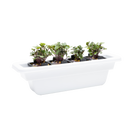
A hydroponic pizza sauce recipe is exactly what it sounds like: a from-scratch tomato sauce made using tomatoes, basil, oregano, and other herbs you've grown yourself in an indoor hydroponic garden — no soil, no outdoor space, and no compromise on flavor. If you've been tending your hydroponic setup and your cherry tomatoes are finally blushing red and your basil is lush and fragrant, this is the recipe you've been waiting for. Growing your own ingredients doesn't just save money — research from the University of Arizona's Controlled Environment Agriculture Center shows that hydroponically grown tomatoes can contain up to 30% more vitamin C than their field-grown counterparts, which means your sauce is more nutritious before you even fire up the stove.
Why Homegrown Hydroponic Tomatoes Make Better Pizza Sauce
Store-bought pizza sauce is almost always made from tomatoes harvested weeks before you open the can. By the time those tomatoes are processed, their volatile aromatic compounds — the ones responsible for that bright, complex flavor — have largely dissipated. When you make a homegrown tomato sauce recipe with tomatoes picked at peak ripeness from your own indoor garden, you're working with produce at its absolute best.
Hydroponic tomatoes grow in a nutrient-rich water solution that delivers exactly what the plant needs, exactly when it needs it. Growers can dial in the electrical conductivity (EC) of the nutrient solution — a measure of dissolved mineral concentration — to influence flavor. A slightly higher EC in the final weeks of fruit development stresses the plant just enough to concentrate sugars, producing a sweeter, more intensely flavored tomato. That's the kind of control no field farmer can replicate on a large scale, but that you absolutely can achieve at home.
According to a 2022 report by the Association for Vertical Farming, the global indoor farming market was valued at $4.5 billion and is projected to grow at a compound annual growth rate of 24.8% through 2030 — driven in large part by consumer demand for fresher, higher-quality produce grown closer to home. Your hydroponic pizza sauce puts you squarely at the front of that trend.
For growing tomatoes indoors, a compact setup like the Personal Garden works well for cherry tomato varieties, while a larger system like The Rise Garden 3 gives you the capacity to grow tomatoes alongside multiple herb varieties simultaneously — so your basil, oregano, and garlic chives are always within arm's reach when sauce-making day arrives.
What You'll Need: Ingredients and Equipment
Before you start, gather everything from your garden and pantry. The goal here is a hydroponic tomato basil sauce that tastes like late summer, even in the middle of January.
From your hydroponic garden:
- 2 lbs ripe cherry or roma tomatoes (hydroponically grown)
- 1 cup fresh basil leaves, packed
- 2 tablespoons fresh oregano leaves
- 1 tablespoon fresh thyme (optional but recommended)
- 3–4 garlic chive stems or 1 tablespoon chive leaves
From your pantry:
- 3 tablespoons extra-virgin olive oil
- 4 cloves garlic, minced
- 1 teaspoon sea salt
- ½ teaspoon black pepper
- 1 teaspoon raw cane sugar (balances acidity)
- ¼ teaspoon red pepper flakes (optional)
Equipment:
- Large saucepan or Dutch oven
- Immersion blender or standard blender
- Fine mesh strainer (optional, for a smoother sauce)
- Wooden spoon
The Hydroponic Pizza Sauce Recipe: Step-by-Step Instructions
This recipe takes roughly 45 minutes from harvest to finished sauce and yields approximately 2 cups — enough to top two 12-inch pizzas generously.
Step 1: Score and blanch your tomatoes. Using a sharp knife, cut a shallow X on the bottom of each tomato. Bring a pot of water to a boil, drop the tomatoes in for 30–45 seconds, then transfer immediately to an ice bath. Once cool, peel the skins off — they'll slip away easily. This step isn't strictly required with cherry tomatoes, but it gives your sauce a silkier texture.
Step 2: Build your base. Heat olive oil in your saucepan over medium heat. Add the minced garlic and cook for 60–90 seconds, stirring frequently, until fragrant but not browned. Browning garlic too early creates bitterness that will carry through the entire sauce.
Step 3: Add the tomatoes. Crush the peeled tomatoes by hand as you drop them into the pan — this gives you better control over texture than chopping. Add salt, pepper, sugar, and red pepper flakes if using. Stir to combine, then raise the heat to medium-high until the sauce begins to bubble.
Step 4: Simmer low and slow. Reduce heat to low and simmer uncovered for 25–30 minutes, stirring occasionally. You're looking for the sauce to reduce by about one-third and deepen in color from bright red to a richer, more saturated hue. The aroma at this stage should be extraordinary — this is where fresh, hydroponically grown tomatoes really earn their reputation.
Step 5: Add your fresh herbs. This is the key step that makes a fresh herb pizza sauce indoor garden recipe different from anything you'll find in a jar. Remove the pan from heat and stir in your fresh basil, oregano, and thyme. The residual heat blooms the herbs without destroying their volatile oils. Let the sauce sit for 5 minutes before blending.
Step 6: Blend and adjust. Use an immersion blender directly in the pot to blend the sauce to your preferred consistency. Pulse it briefly for a rustic, chunky sauce or blend fully for something smooth. Taste and adjust seasoning — your tomatoes may need a touch more salt or sugar depending on how sweet they grew.
Step 7: Cool and store. Allow the sauce to cool completely before storing in an airtight glass jar. It keeps refrigerated for up to one week and freezes beautifully for up to three months.
How Do You Grow Tomatoes and Basil Together in a Hydroponic Garden?
Tomatoes and basil are practically culinary soulmates, and the good news is they're also compatible garden companions in a hydroponic system. Both thrive at a nutrient solution pH of 5.5–6.5, which is the sweet spot for nutrient uptake in most hydroponic setups. pH refers to the acidity or alkalinity of your water solution on a scale of 0–14, and keeping it in that range ensures your plants can actually absorb the nutrients you're providing.
NASA's Veggie project, which has been growing food crops aboard the International Space Station since 2014, demonstrated that leafy herbs and fruiting plants can be successfully cultivated in controlled, soil-free environments using similar light and nutrient conditions — validating the indoor hydroponic approach that home growers use every day.
In a practical sense, here's how to co-grow tomatoes and basil for sauce-making:
- Light: Both plants prefer 14–16 hours of light per day. Full-spectrum LED grow lights, like those built into Rise Gardens systems, cover this requirement without adjustment.
- Spacing: Cherry tomato plants get bushy. Give each plant at least one full pod slot with room to train the vines upward using a small stake or trellis. Basil can be planted in adjacent pods.
- Harvest timing: Start harvesting basil leaves once the plant has six or more sets of leaves — always cutting just above a leaf node to encourage bushier growth. Tomatoes are ready when they've reached full color and give slightly to gentle pressure.
- Succession planting: Plant new basil seed pods every 3–4 weeks so you always have a fresh supply ready when tomato harvest day arrives.
If you're serious about growing enough produce to make sauce regularly, The Rise Loft offers a premium, furniture-grade indoor garden design with the capacity to run multiple crops at different growth stages — meaning tomatoes in one section, herbs in another, and everything ready in coordinated cycles.
Can You Use Hydroponic Tomatoes for Canning or Freezing the Sauce?
Yes — and it's one of the smartest things you can do with a large tomato harvest. The USDA National Center for Home Food Preservation recommends that all home-canned tomato products include added acid (either 2 tablespoons of bottled lemon juice or ½ teaspoon of citric acid per quart) to ensure the sauce reaches a safe pH level below 4.6, which inhibits the growth of Clostridium botulinum. This recommendation applies to hydroponically grown tomatoes just as much as field-grown ones, since the tomato variety and ripeness stage both affect natural acidity levels.
For freezing, the process is much simpler. Let your sauce cool fully, ladle it into freezer-safe containers or zip-lock bags laid flat, and freeze for up to three months. Frozen sauce thaws in about 30 minutes at room temperature or overnight in the refrigerator. Many home growers who use a full-size system like The Rise Garden 3 find that batch cooking and freezing sauce during peak tomato production is the most efficient way to enjoy homegrown flavor year-round without any waste.
A key stat worth knowing: the USDA estimates that Americans throw away approximately 30–40% of the food supply, much of it produce. Having a reliable sauce recipe ready ensures that every tomato you grow gets used, not composted.
Flavor Variations: Customize Your Hydroponic Tomato Basil Sauce
Once you've mastered the base recipe, the variations are almost endless. Here are four worth trying:
Roasted Garlic and Thyme: Roast a full head of garlic in the oven (400°F, 40 minutes, wrapped in foil) and squeeze the softened cloves into your sauce in place of raw garlic. It creates a sweeter, nuttier depth that pairs beautifully with white pizza.
Smoky Arrabbiata: Double the red pepper flakes and add a half teaspoon of smoked paprika to the olive oil at the start. Bold, spicy, and deeply satisfying on a thin-crust pizza.
Garden Pesto-Tomato Blend: Blend two tablespoons of fresh basil pesto (made from your hydroponic basil) into the finished sauce for a richer, more herbaceous flavor. This version is particularly good on pizzas with fresh mozzarella and arugula.
Sun-Dried Style: Reduce the sauce even further — down to roughly half its original volume — until it becomes thick and intensely concentrated, almost paste-like. Use it sparingly as you would a store-bought pizza concentrate, spread thin for maximum flavor punch.
Frequently Asked Questions
What type of tomatoes grow best in a hydroponic system for making pizza sauce?
Cherry tomato varieties like Sakura or Sweet 100 and compact roma types are the most reliable choices for indoor hydroponic gardens. They produce fruit faster than large beefsteak varieties — typically within 60–75 days from transplant — and their higher natural sugar content creates a more balanced, flavorful sauce without needing excessive added sugar.
How long does homemade hydroponic pizza sauce last in the refrigerator?
Properly stored in a sealed glass jar, your homemade pizza sauce will stay fresh for 5–7 days in the refrigerator. For longer storage, freeze the sauce in portioned containers for up to three months. Always let the sauce cool fully to room temperature before sealing and refrigerating to prevent condensation, which can accelerate spoilage.
Do I need to add anything special to my hydroponic nutrient solution to grow flavorful tomatoes?
Standard hydroponic nutrient solutions formulated for fruiting plants — which contain the correct ratios of nitrogen, phosphorus, potassium, calcium, and magnesium — are sufficient for flavorful tomato production. To enhance sweetness and flavor concentration, some growers slightly increase the EC (electrical conductivity) of their solution to around 3.0–4.0 mS/cm during the fruiting stage, which mildly stresses the plant and pushes sugar accumulation in the fruit. Always use nutrients specifically formulated for edible crops.
Can I make this pizza sauce recipe without a blender?
Yes. If you don't have a blender or immersion blender, use a potato masher or a fork to break the cooked tomatoes down while the sauce is still warm. The result will be chunkier and more rustic — which many pizza enthusiasts actually prefer, particularly for Neapolitan-style pies. You can also push the sauce through a fine mesh strainer using a wooden spoon for a smooth result without any equipment beyond what's already in most kitchens.