A hydroponic ramen recipe is exactly what it sounds like — a steaming, flavor-packed bowl of ramen noodle soup built on toppings grown entirely in your indoor hydroponic garden, no soil required. Hydroponics is a method of growing plants in a nutrient-rich water solution rather than soil, and it produces leafy greens, herbs, and vegetables that are fresher, faster-growing, and often more nutrient-dense than their grocery store counterparts. If you've been looking for a reason to put your indoor garden to real, delicious use, this is it. From crisp hydroponic bok choy noodle soup to herb-crowned broth bowls, your countertop garden is about to become your most-used kitchen appliance.
Why Homegrown Ramen Toppings Change Everything
Ramen is one of those dishes where the toppings carry as much weight as the broth. A limp, flavorless bok choy from a bag at the back of your fridge is not the same as a bright, tender leaf harvested twenty minutes before dinner. That difference is real, and it's measurable.
According to research published by the University of California, Davis, fruits and vegetables can lose 15–55% of their vitamin C within a week of harvest. When you grow your own greens hydroponically and harvest them minutes before cooking, you capture nutrients at their peak — and you taste it in every bite.
For ramen specifically, here are the homegrown toppings that shine brightest:
- Bok choy — Tender, slightly sweet, perfect wilted into hot broth
- Green onions (scallions) — Sharp, fresh, ready to snip directly into the bowl
- Cilantro — Fragrant and bright; a little goes a long way
- Basil (Thai or Italian) — Adds an aromatic, slightly peppery finish
- Spinach — Mild, nutrient-rich, wilts beautifully in seconds
- Pea shoots — Delicate and sweet; use as a finishing garnish
- Kale — Heartier texture; de-stem and roughly tear before adding
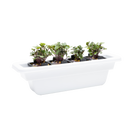
All of these grow exceptionally well in a hydroponic system. If you're just getting started, the Personal Garden is a compact countertop unit that fits in any kitchen and can keep you stocked with fresh ramen toppings year-round, regardless of what's in season outside.
What You Need: Full Hydroponic Ramen Recipe
This recipe builds a deeply savory, customizable ramen bowl using a homemade or quality store-bought broth base and greens harvested fresh from your indoor garden. It serves two generously.
Broth Base
- 4 cups chicken, pork, or vegetable broth
- 2 tablespoons white or yellow miso paste
- 1 tablespoon soy sauce or tamari
- 1 teaspoon sesame oil
- 1 teaspoon grated fresh ginger
- 2 garlic cloves, minced
- 1 teaspoon chili paste (optional, for heat)
Noodles
- 2 servings fresh or dried ramen noodles (or substitute udon or soba)
Homegrown Hydroponic Toppings
- 4–6 bok choy leaves, halved lengthwise (freshly harvested)
- 2 green onion stalks, thinly sliced
- Handful of fresh spinach or pea shoots
- Fresh cilantro or Thai basil, to finish
Optional Proteins and Extras
- 2 soft-boiled eggs (marinated in soy sauce and mirin for 30 minutes)
- Sliced chashu pork, tofu, or mushrooms
- Nori sheets, sesame seeds, bamboo shoots
Instructions
- Make the broth: In a medium saucepan over medium heat, sauté garlic and ginger in a small amount of oil for 1–2 minutes until fragrant. Add broth and bring to a gentle simmer. Whisk in miso paste, soy sauce, sesame oil, and chili paste. Keep warm on low heat — do not boil after adding miso, as high heat degrades its probiotic content and mutes its flavor.
- Cook noodles: Boil noodles in a separate pot according to package directions. Drain and divide between two bowls.
- Wilt the bok choy: Drop halved bok choy into the hot broth for 60–90 seconds. You want it just tender with a slight bite remaining. Remove with tongs and set aside.
- Assemble the bowl: Ladle hot broth over noodles. Arrange bok choy, spinach or pea shoots, soft-boiled egg, and any proteins around the bowl. Top with green onions, fresh herbs, and sesame seeds.
- Finish and serve: Add a few drops of chili oil or a squeeze of lime if desired. Serve immediately.
How Does Hydroponic Bok Choy Compare to Store-Bought?
Bok choy is one of the star players in this indoor garden noodle bowl, and hydroponically grown bok choy has some meaningful advantages over what you find at the grocery store. For starters, hydroponically grown vegetables use up to 90% less water than conventional field-grown crops, according to the USDA National Agricultural Library. That efficiency also means plants receive precisely calibrated nutrients — the mineral solution dissolved in the water — which can result in consistent growth and quality across every harvest.
In a hydroponic system, growers monitor pH (the acidity or alkalinity of the nutrient solution, ideally kept between 5.5 and 6.5 for most leafy greens) and EC (electrical conductivity, which measures the concentration of dissolved nutrients in the water). When these variables are dialed in, bok choy grows quickly — typically ready to harvest in 21–30 days from transplant — and produces leaves that are tender, sweet, and free from the grit and wilting you often find in store bags.
NASA's Veggie project, which has been growing leafy greens aboard the International Space Station since 2014, has demonstrated that hydroponically grown produce can be nutritionally comparable to Earth-grown equivalents, reinforcing the viability of soilless growing as a serious food production method.
For a family-scale setup, the The Rise Garden 3 is a full-size indoor hydroponic garden system that gives you enough growing capacity to keep bok choy, herbs, and multiple other ramen toppings growing simultaneously, so you're never waiting for one plant to catch up to another.
What's the Best Way to Grow Ramen Toppings Hydroponically at Home?
Growing your own ramen toppings hydroponically is more straightforward than most people expect, and you don't need a greenhouse or a background in botany to do it. Here's a practical breakdown of the process.
Start With the Right Seeds
Quality matters at every stage, and it starts with seeds. Rise Gardens seed pods are pre-seeded grow sponges designed specifically for hydroponic systems, eliminating the guesswork around germination media, pH buffering, and seed depth. For a ramen-focused garden, prioritize: bok choy, spinach, green onions, cilantro, Thai basil, and pea shoots.
Feed Your Plants Properly
Plants grown hydroponically get everything they need from the nutrient solution in the water reservoir. Rise Gardens nutrients are formulated to deliver the right balance of nitrogen, phosphorus, potassium, and micronutrients for leafy greens and herbs. Nutrient deficiencies show up fast in hydroponic systems — yellowing leaves, stunted growth — so following a consistent feeding schedule is key.
Light and Environment
Most leafy greens and herbs need 14–16 hours of light per day to thrive indoors. Rise Gardens systems use full-spectrum LED grow lights timed automatically, removing the need to manually track photoperiods. Keep ambient room temperature between 65–75°F (18–24°C) for best results with bok choy and herbs.
Harvest Strategically
For ramen toppings, practice cut-and-come-again harvesting: take the outer leaves first, leaving the inner growth intact. This extends your harvest window significantly. Green onions, in particular, will regrow several times after cutting. A single planting of green onions can yield 3–5 harvests before the plant needs replacing.
How to Customize This Recipe for Different Broth Styles
One of the great strengths of this hydroponic ramen recipe is how adaptable it is. The homegrown toppings work beautifully across every major ramen style:
Tonkotsu (Pork Bone Broth)
Rich, creamy, and intensely savory. Pair with wilted spinach, green onions, and a small amount of fresh cilantro to cut through the fat. The brightness of freshly harvested herbs is especially valuable here.
Shoyu (Soy Sauce Broth)
Clear, amber, and slightly salty-sweet. Bok choy halves and pea shoots are perfect partners — their mild sweetness complements the umami without competing.
Shio (Salt Broth)
The lightest and most delicate of the styles. Use Thai basil and pea shoots as your primary herbs to keep the bowl bright and clean-tasting.
Miso Broth (as in the base recipe)
Earthy and complex. Goes with everything. Kale, bok choy, spinach, scallions, and cilantro are all excellent choices. This is the most forgiving broth for experimenting with new homegrown toppings.
Spicy Tantanmen
A sesame-and-chili broth inspired by Sichuan dan dan noodles. Wilted spinach is the classic green here; add a handful of fresh pea shoots as a cooling contrast to the heat.
Building Your Indoor Garden Noodle Bowl Habit
The most satisfying thing about making an indoor garden noodle bowl regularly isn't the individual bowl — it's the system behind it. When your garden is always producing, dinner becomes faster, fresher, and more satisfying. You stop substituting (dried flakes for fresh herbs, bagged wilted greens for something crisp) and start building meals around what's actually ready to harvest that day.
Studies on food satisfaction consistently find that people rate food they've grown themselves as tasting better — a phenomenon researchers call the IKEA effect applied to gardening. But beyond psychology, the data on freshness is real: a green onion snipped from your garden five minutes before serving has a fundamentally different flavor profile than one that spent ten days in a plastic bag.
If you want a setup that scales with your cooking ambitions, The Rise Loft is a premium indoor garden with furniture-grade design that holds a substantial number of plants and integrates seamlessly into a living space or open kitchen. It's built for people who take their growing — and their cooking — seriously.
Ramen is just the beginning. Once you have a steady supply of fresh greens and herbs, you'll find yourself reaching for your garden before you reach for the grocery list — for stir-fries, salads, grain bowls, and anything else that benefits from something genuinely fresh. The hydroponic ramen recipe in this article is a starting point. Where you take it from here is entirely up to you and whatever's ready to harvest today.
Frequently Asked Questions
Can I grow ramen toppings in a small apartment with no outdoor space?
Yes — hydroponic indoor gardens are specifically designed for exactly that scenario. Compact systems like the Personal Garden sit on a countertop and require no outdoor space, no soil, and no natural sunlight. As long as you have a standard electrical outlet and a water source nearby, you can grow bok choy, green onions, herbs, and spinach year-round indoors.
How long does it take to grow bok choy hydroponically?
Hydroponic bok choy typically germinates within 5–7 days and reaches harvest size in approximately 21–30 days from transplant, depending on your light schedule and nutrient levels. That's significantly faster than soil-grown bok choy, which averages 45–60 days to full maturity. You can start harvesting outer leaves even earlier — around day 18 — using a cut-and-come-again approach.
What is the best pH for growing ramen toppings hydroponically?
Most leafy greens and herbs used as ramen toppings — including bok choy, spinach, basil, and green onions — grow best at a pH between 5.5 and 6.5. pH refers to the acidity or alkalinity of your nutrient solution on a scale from 0 to 14, with 7 being neutral. Keeping pH in range ensures plants can absorb minerals efficiently; outside that window, nutrient lockout can occur even when nutrients are present in the water.
Do I need special noodles for a hydroponic ramen recipe?
No — the "hydroponic" in this recipe refers to the homegrown toppings, not the noodles themselves. You can use any ramen noodles you prefer: fresh alkaline noodles from an Asian grocery, dried instant ramen noodles (discarding the flavor packet in favor of your homemade broth), or substitutes like soba, udon, or rice noodles. The freshness of your homegrown toppings will elevate any noodle base you choose.