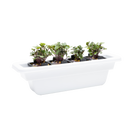
This hydroponic pesto pasta recipe is exactly what happens when your indoor garden is firing on all cylinders — a bowl of vibrant, glossy pasta coated in a sauce made from basil you grew yourself, just steps from your kitchen. Hydroponic pesto pasta means using basil cultivated in a soil-free, water-based growing system to produce a classic Italian herb sauce, blended with garlic, pine nuts, Parmesan, and olive oil, then tossed with your favorite pasta shape. The result is cleaner, brighter flavor than anything you'll find in a jar — and the whole process, from snipping leaves to plating, takes under 30 minutes once your plants are ready to harvest.
Why Homegrown Basil Makes Better Pesto
Basil is one of the most volatile herbs you can cook with. Its signature aroma comes from a compound called linalool and a handful of other essential oils that begin degrading the moment a leaf is cut and exposed to air. Store-bought basil — even the "fresh" bunches in grocery store packaging — can spend anywhere from two to seven days in transit and cold storage before reaching your counter. By that point, a meaningful percentage of those aromatic compounds have already off-gassed.
When you grow basil hydroponically at home, the harvest-to-plate timeline collapses to minutes. A study published by researchers at the University of Florida found that hydroponically grown sweet basil consistently produced higher essential oil concentrations than field-grown counterparts when grown under optimized light and nutrient conditions. That translates directly to more complex, fragrant pesto sauce.
Homegrown basil pasta is also a practical win. A single mature basil plant in a well-maintained hydroponic system can yield harvestable leaves every 7 to 10 days, meaning one grow pod delivers multiple batches of fresh herb pasta sauce over the course of several weeks — not one wilted bunch that rots in the refrigerator by Tuesday.
How to Grow Hydroponic Basil Ready for Pesto
Getting your basil to pesto-ready stage in a hydroponic system is straightforward, but a few specific details matter a lot.
System choice: Any of the Rise Gardens systems work beautifully for basil. If you have limited counter space, the Personal Garden is a compact countertop hydroponic garden that fits easily in a kitchen or on a small shelf — ideal for growing a constant supply of culinary herbs. For a larger, multi-level setup, The Rise Garden 3 is a full-size indoor hydroponic garden system that lets you grow basil alongside other pasta-worthy herbs like parsley, oregano, and chives simultaneously.
Seed pods: Start with Rise Gardens basil seed pods, which are pre-seeded growing supplies designed to drop directly into the garden's pod sites. Germination typically occurs within 5 to 7 days under the system's full-spectrum LED lights.
Nutrients and pH: Hydroponics relies on a nutrient solution — water enriched with dissolved minerals — to feed plants directly through their roots instead of soil. Rise Gardens nutrients are formulated specifically for leafy herbs and maintain an ideal electrical conductivity (EC) range of 1.4–2.0 mS/cm for basil. Target a water pH of 5.5–6.5 for optimal nutrient uptake. A pH that drifts outside this range can cause nutrient lockout, where plants cannot absorb minerals even if they're present in the water.
Harvest timing: Harvest when your basil plants have at least 6 sets of leaves and are 6–8 inches tall. Always cut just above a leaf node — the point where two leaves branch off the stem. This triggers the plant to produce two new shoots from that cut, doubling your future yield instead of ending the plant's productive life.
According to the USDA Agricultural Research Service, hydroponic herb production uses approximately 90% less water than conventional field growing, making home hydroponic gardens one of the most resource-efficient ways to produce fresh culinary herbs year-round.
The Hydroponic Pesto Pasta Recipe
This recipe makes enough pesto sauce for four generous servings of pasta. You'll need roughly 2 packed cups of fresh basil leaves — about what two mature hydroponic basil plants will yield in a single harvest session.
Ingredients
For the pesto:
- 2 cups fresh hydroponic basil leaves, packed (stems removed)
- 3 garlic cloves, peeled
- 1/3 cup pine nuts (lightly toasted)
- 1/2 cup freshly grated Parmigiano-Reggiano
- 1/2 cup extra-virgin olive oil
- 1/2 teaspoon kosher salt, plus more to taste
- 1/4 teaspoon freshly ground black pepper
- 1 tablespoon fresh lemon juice (optional, brightens the sauce)
For the pasta:
- 1 pound pasta (trofie, linguine, or rigatoni all work well)
- 1/2 cup reserved pasta cooking water
- Extra Parmigiano-Reggiano and fresh basil leaves for serving
Instructions
- Toast the pine nuts: Add pine nuts to a dry skillet over medium-low heat. Stir constantly for 3–4 minutes until golden and fragrant. Transfer immediately to a plate to stop cooking. Watch them carefully — they go from golden to burnt in under a minute.
- Blanch the basil (optional but recommended): Bring a small pot of water to a boil. Drop basil leaves in for exactly 15 seconds, then transfer to an ice bath. This step deactivates the enzyme that causes pesto to turn dark brown, keeping your sauce a vivid, restaurant-quality green. Pat leaves dry thoroughly before proceeding.
- Build the pesto: Combine toasted pine nuts and garlic in a food processor. Pulse 8–10 times until coarsely chopped. Add basil leaves and pulse another 10 times. With the processor running, stream in the olive oil slowly. Add Parmesan, salt, pepper, and lemon juice. Pulse to combine. Taste and adjust seasoning. For a silkier texture, add one additional tablespoon of olive oil and process for 15 more seconds.
- Cook the pasta: Bring a large pot of heavily salted water to a rolling boil (it should taste like mild seawater — this is your only chance to season the pasta itself). Cook pasta according to package directions until al dente. Before draining, scoop out 1/2 cup of the starchy cooking water and set aside.
- Combine: Drain pasta and return it to the pot, off the heat. Add pesto and toss vigorously, adding pasta water a few tablespoons at a time to loosen the sauce into a glossy, cohesive coating. The starch in the water helps emulsify the pesto and bind it to the pasta — do not skip this step.
- Plate and serve: Divide into bowls. Top with extra Parmigiano-Reggiano, a few whole basil leaves from your garden, and a drizzle of good olive oil. Serve immediately.
What Other Hydroponic Herbs Can You Add to Pesto Pasta?
Classic Genovese pesto is basil-forward, but your indoor garden is full of ingredients worth experimenting with. Hydroponic herb recipes improve dramatically when you start blending complementary flavors — and a home system that grows multiple herbs at once makes this easy.
Here are a few tested variations:
- Basil and parsley pesto: Swap 1/2 cup of basil for flat-leaf parsley. Parsley adds an earthy, slightly peppery note and extends the sauce's shelf life in the refrigerator, since it's more stable than basil alone.
- Basil and arugula pesto: Replace 1/3 of the basil with hydroponic arugula for a peppery, bitter edge that pairs especially well with rigatoni or penne.
- Mint pesto: A full substitution of basil for fresh mint creates a bright, cooling sauce that works beautifully with linguine and a simple cherry tomato salad on the side.
- Mixed herb pasta sauce: Combine basil, oregano, and a small amount of fresh thyme (use thyme sparingly — it's potent) for a more complex fresh herb pasta sauce that works as both a pasta coating and a spread for crostini.
The The Rise Loft, Rise Gardens' premium indoor garden with furniture-grade design, supports growing multiple herb varieties at once across dedicated grow levels — which means you can keep a constant rotation of pesto-ready basil, parsley, arugula, and more without ever running low on any single ingredient.
How Do You Store Pesto Made From Fresh Hydroponic Basil?
Fresh pesto doesn't last long at room temperature, but it stores surprisingly well with the right technique. The oxygen exposure that causes browning and flavor degradation is the primary enemy here.
Refrigerator storage: Transfer pesto to a glass jar or airtight container. Smooth the surface flat and pour a thin layer of olive oil over the top — this creates a barrier against oxidation. Stored this way, homegrown basil pasta sauce keeps for up to 5 days in the refrigerator without significant color or flavor loss.
Freezer storage: Pesto freezes exceptionally well. Spoon it into an ice cube tray, freeze solid, then transfer the cubes to a zip-top freezer bag. Each cube equals roughly 1.5–2 tablespoons — a perfect single-serving portion. Frozen pesto maintains good quality for up to 3 months. Thaw cubes in the refrigerator overnight or add them directly to hot pasta, where they'll melt into the sauce in seconds.
Pro tip: If you plan to freeze pesto, omit the Parmesan before freezing and stir it in fresh after thawing. Parmesan's texture changes slightly after freezing and blends better when added at the end.
NASA's Veggie project — the space agency's ongoing research into growing food in microgravity — identified basil as one of the highest-priority culinary crops for space missions due to its fast growth cycle, high yield relative to grow space, and the significant psychological and nutritional benefits it provides to crew members. If basil is good enough for astronauts, it's good enough for your kitchen counter.
Tips for Getting the Most Flavor From Your Hydroponic Basil
Growing basil hydroponically gives you a structural advantage, but a few practices push flavor from good to exceptional.
- Harvest in the morning: Essential oil concentrations in basil leaves peak in the morning before heat stress causes them to volatilize. Harvesting shortly after your garden's light cycle begins captures the leaves at their most aromatic.
- Pinch flower buds immediately: When your basil plant begins to bolt — producing tall center stems with small flower clusters — pinch those buds off without hesitation. Once a basil plant flowers, it redirects energy from leaf production to seed production, and the remaining leaves become smaller and more bitter. Consistent pinching keeps plants producing large, sweet leaves for weeks longer.
- Don't refrigerate fresh-cut basil before use: Cold temperatures cause cellular damage in basil leaves and accelerate browning. If you've harvested and aren't cooking immediately, keep cut stems in a small glass of room-temperature water on your counter, loosely covered with a plastic bag, for up to two days.
- Use a sharp blade: Whether you're using a knife or food processor, bruising matters. A dull blade crushes cell walls unevenly, releasing enzymes that speed browning. A sharp chef's knife or a food processor with a sharp blade gives you cleaner cuts and a more vibrant sauce.
Research from the University of Florida IFAS Extension found that basil grown under LED grow lights in controlled environments produced comparable or superior essential oil yields to greenhouse-grown plants, confirming that indoor hydroponic growing conditions can fully replicate — and in some cases exceed — the flavor development of traditional cultivation methods.
Frequently Asked Questions
How much basil do I need to make pesto pasta for four people?
You'll need approximately 2 packed cups of fresh basil leaves, which works out to about 2 ounces by weight. Two mature hydroponic basil plants grown in a Rise Gardens system can typically yield this amount in a single harvest, provided the plants are at least 6–8 inches tall and have been growing for 3–4 weeks since transplanting into the pod sites.
Can I make hydroponic pesto pasta without a food processor?
Yes — traditional Genovese pesto is actually made with a marble mortar and pestle, which produces a slightly different, more textured result than a food processor. Start by grinding the garlic and pine nuts into a paste, then add basil in small batches and work it into the paste using a circular grinding motion. The result is a more rustic sauce with a different mouthfeel that many cooks prefer for its deeper, less emulsified texture. A high-powered blender also works in a pinch, though it tends to warm the basil slightly and can dull the sauce's bright color.
Why does my homemade pesto turn brown so quickly?
Browning in fresh basil pesto is caused by polyphenol oxidase, an enzyme that reacts with oxygen when basil cell walls are damaged during blending. You can slow this reaction significantly by blanching basil leaves for 15 seconds in boiling water followed by an immediate ice bath before blending — this deactivates the enzyme without cooking the leaves. Floating a thin layer of olive oil on top of stored pesto to block oxygen contact also helps maintain green color for several days in the refrigerator.
What pasta shapes work best with pesto?
Trofie is the traditional Ligurian pairing — its twisted shape traps pesto in every crevice. Linguine and spaghetti are the most popular substitutes and work beautifully because the long strands coat evenly. Rigatoni and penne work well for heartier, chunkier versions of the sauce. The one shape to avoid is anything very large or tubular with a smooth surface, like penne lisce (smooth penne), where the sauce slides off instead of clinging. Always add a few tablespoons of starchy pasta cooking water when tossing — this is the single biggest technique improvement most home cooks can make to their pesto pasta.