A hydroponic overnight oats recipe is exactly what it sounds like: a no-cook breakfast made with rolled oats soaked overnight in liquid, elevated with fresh herbs and edible garnishes grown in a home hydroponic system. Hydroponics is a soil-free growing method where plants get their nutrients directly from a water-based nutrient solution — and it turns out that the clean, concentrated flavors of hydroponically grown herbs are a perfect match for the creamy, customizable canvas of overnight oats. If you have a countertop garden humming away in your kitchen, you already have everything you need to take your morning routine from ordinary to genuinely special.
Why Homegrown Herbs Transform Your Breakfast
There is a measurable difference between fresh herbs snipped seconds before you eat and the dried or wilted herbs that come from a grocery store bag. According to the USDA Agricultural Research Service, fresh herbs can contain significantly higher levels of volatile aromatic compounds — the molecules responsible for flavor and fragrance — compared to their dried counterparts, which can lose up to 70% of essential oils during the drying process. That gap is even more pronounced when you grow herbs indoors hydroponically, because controlled environments reduce stress on plants and allow them to put energy into flavor production rather than survival.
For a homegrown herb breakfast recipe like overnight oats, this matters enormously. A sprig of freshly harvested mint from your indoor garden doesn't just taste brighter — it delivers a burst of menthol and sweetness that makes each bite feel intentional and alive. Basil adds a subtle peppery sweetness. Lemon balm contributes a citrusy lift without any added fruit. These aren't garnishes; they're functional flavor ingredients.
Herbs are also among the fastest and easiest crops you can grow hydroponically. Most varieties reach harvest-ready size in 3 to 5 weeks from seed, meaning you can go from planting your seed pods to snipping fresh herbs into your breakfast bowl in about a month.
The Base Hydroponic Overnight Oats Recipe
This recipe is designed for one serving but scales easily. The key is combining the right liquid-to-oat ratio, choosing complementary herb flavors, and letting time do the work overnight.
Ingredients
- ½ cup old-fashioned rolled oats (not instant)
- ½ cup milk of your choice (dairy, oat, almond, or coconut all work well)
- ¼ cup plain Greek yogurt
- 1 tablespoon chia seeds
- 1 tablespoon honey or maple syrup
- 1 tablespoon fresh mint leaves, finely chopped (from your indoor garden)
- 1 teaspoon fresh lemon balm or lemon thyme, minced
- ½ cup fresh berries or sliced fruit
- Optional: 1 tablespoon almond butter or nut butter of choice
Instructions
- Combine oats, milk, Greek yogurt, chia seeds, and sweetener in a jar or container with a lid. Stir well so everything is evenly distributed.
- Fold in the freshly chopped mint and lemon balm. These herbs will infuse their flavor into the oats as they soak.
- Seal the container and refrigerate for at least 6 hours, or overnight (8 to 10 hours is ideal).
- In the morning, give the oats a good stir. Add a splash of milk if the texture is thicker than you prefer.
- Top with fresh berries, a few whole herb leaves for presentation, and any additional toppings you enjoy.
- Eat cold straight from the jar, or warm briefly in the microwave for 60 to 90 seconds.
Nutrition snapshot per serving (approximate): 380 calories, 15g protein, 52g carbohydrates, 10g fiber, 11g fat. Values will vary based on milk type and toppings used.
Which Hydroponic Herbs Work Best in Morning Recipes?
Not every herb belongs in a breakfast bowl — but more of them do than you might expect. Here is a breakdown of the best performers for indoor garden breakfast ideas and how to use each one.
Mint (Spearmint or Peppermint)
The most classic choice. Mint pairs beautifully with chocolate, berries, citrus, and tropical fruits. Chop finely and stir into the base for overnight infusion, then add a whole leaf on top as a garnish. Mint is one of the most vigorous hydroponic herbs and can be harvested repeatedly from the same plant.
Lemon Balm
A member of the mint family with a delicate lemon scent and mild sweetness. Lemon balm is especially good with peaches, blueberries, and vanilla. It is less assertive than mint, making it ideal for people who want a subtle herbal note without overpowering the oats.
Basil (Sweet or Thai)
Sweet basil adds a floral, slightly peppery note that pairs surprisingly well with strawberries and balsamic-glazed toppings. Thai basil, with its anise-like flavor, works well with mango and coconut-milk bases. Use sparingly — a teaspoon or two, finely minced.
Lavender
Culinary lavender is potent, so a small pinch goes a long way. It pairs beautifully with honey, vanilla, and blueberries. Lavender grows well in hydroponic systems and is ready to use when the flower buds are just beginning to open.
Thyme (Lemon Thyme)
Lemon thyme is an underrated breakfast herb. Its bright, citrusy-savory flavor adds complexity to fruit-forward oat combinations. Strip the tiny leaves from the stem and mix into the base before refrigerating.
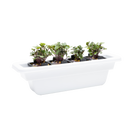
Growing any of these herbs is straightforward with a compact setup like the Personal Garden, a countertop hydroponic garden designed specifically for small spaces. With four pods of growing capacity, you can keep multiple herb varieties ready to harvest at the same time.
How Does Hydroponic Growing Improve the Quality of Your Breakfast Herbs?
This is one of the most common questions from new indoor gardeners, and the answer is rooted in plant science. In a hydroponic system, plants receive a precisely formulated solution of nutrients — the essential minerals like nitrogen, phosphorus, potassium, calcium, and magnesium that drive plant growth. Because the roots have direct access to these nutrients without having to search through soil, plants can allocate more energy to leaf production and essential oil development.
NASA's Veggie project, which has been studying plant growth aboard the International Space Station since 2014, has demonstrated that controlled-environment agriculture (including hydroponics) can produce crops with consistent quality and nutrition — a finding with direct implications for home growers who want reliable, high-quality harvests year-round.
pH and EC (electrical conductivity) are the two metrics that matter most in hydroponic growing. pH measures how acidic or alkaline your water solution is — most herbs thrive in a range of 5.5 to 6.5. EC measures the concentration of dissolved nutrients in the water; too low and plants are underfed, too high and they experience nutrient burn. Rise Gardens systems are designed to keep these parameters in an optimal range with minimal manual adjustment, so you spend less time calibrating and more time cooking.
Pairing your garden with the right nutrients ensures your herbs grow with the robust flavor profiles that make a hydroponic overnight oats recipe worth making every single morning.
3 Flavor Variations to Rotate Through the Week
Once you have the base recipe down, the real fun starts. These three variations each highlight a different herb from your indoor garden and pair it with complementary flavors. They all use the same base ratio — just swap the herbs and toppings.
Variation 1: Mint Chocolate Chip
Stir 1 tablespoon finely chopped fresh peppermint and 1 tablespoon cocoa powder into your oat base before refrigerating. Top in the morning with dark chocolate chips, a few whole mint leaves, and a drizzle of honey. This combination is indulgent-tasting while still being nutritionally solid.
Variation 2: Strawberry Basil
Fold 1 teaspoon finely minced sweet basil into the oat base. In the morning, top with sliced fresh strawberries, a balsamic reduction (or a few drops of aged balsamic vinegar), and two or three whole basil leaves. This variation leans sophisticated — the kind of breakfast that feels like a restaurant order.
Variation 3: Blueberry Lavender Lemon
Add a pinch of dried or fresh culinary lavender and 1 teaspoon lemon zest to your base. Use lemon-flavored yogurt if available. Top with fresh blueberries, a drizzle of honey, and a few lemon thyme sprigs. This is arguably the most aromatic of the three variations and one of the most visually appealing — especially if you grow lavender in a larger system like The Rise Garden 3, which offers multi-tier capacity for growing herbs, greens, and vegetables simultaneously.
Setting Up Your Indoor Garden for a Consistent Herb Supply
The best hydroponic herbs morning recipes are consistent ones — meaning you want a garden setup that keeps a steady rotation of harvestable herbs available every week. Planning your indoor garden with breakfast use in mind takes only a few minutes of forethought.
A good starting strategy is to stagger your plantings by two weeks. Plant mint and basil first, then start lemon balm and thyme two weeks later. By the time you have harvested from your first batch, the second is catching up — and you will rarely face a gap in supply.
Harvest herbs using the "cut and come again" method: snip stems just above a leaf node rather than pulling from the base. This encourages the plant to branch outward and produce more leaves, extending the productive life of each plant by weeks.
For households that want the most growing capacity — and a system that looks as good as it performs — The Rise Loft is a premium indoor garden with furniture-grade design that integrates seamlessly into living spaces. It offers enough growing space to maintain a wide variety of herbs, leafy greens, and edible flowers at the same time, so your breakfast options expand well beyond overnight oats.
According to a 2021 report from the Association for Vertical Farming, the indoor farming sector grew by approximately 24% year-over-year, reflecting growing consumer demand for locally and home-grown produce. Home hydroponic systems are a direct extension of that trend — putting fresh food production back in the hands of the individual.
Frequently Asked Questions
Can I use any fresh herb in overnight oats, or are some unsafe to eat raw?
Most culinary herbs — including mint, basil, lemon balm, thyme, and lavender — are completely safe to eat raw and do not require cooking. The key word is "culinary": stick to herbs that are commonly used in food preparation. Avoid decorative herbs or plants not designated for consumption, and always rinse freshly harvested herbs under cool water before adding them to any dish.
How long do fresh hydroponic herbs last after harvesting?
Most fresh herbs stay vibrant for 5 to 7 days when stored properly. The best method is to treat them like cut flowers: trim the stems, place them upright in a small glass of water, and loosely cover the leaves with a plastic bag before refrigerating. Mint and basil are exceptions — basil prefers room temperature storage, and mint stored in water at room temperature will actually continue to grow roots.
Do overnight oats need to be refrigerated, and how long do they keep?
Yes, overnight oats must be refrigerated because the dairy or dairy-alternative ingredients they contain are perishable. Stored in a sealed jar or container, overnight oats with fresh herbs mixed in will keep well in the refrigerator for up to 4 days. The herb flavor intensifies slightly over time, so day-two and day-three jars often taste even more developed than the first.
What nutrient solution should I use for growing breakfast herbs hydroponically?
For leafy herbs intended for fresh consumption, a balanced general-purpose hydroponic nutrient formula works well through most of the plant's life cycle. Nitrogen supports leafy growth and essential oil production, so a formula with a slightly higher nitrogen ratio is beneficial during the vegetative stage. Rise Gardens offers nutrients formulated specifically for its systems, calibrated to support consistent, flavorful herb harvests without the guesswork of mixing custom solutions from scratch.