Embarking on your indoor gardening journey with Rise Gardens opens up a world of possibilities, and if you're new to growing, lettuce is the perfect green gateway. In this blog, we'll explore why cultivating lettuce in your Personal Rise Garden is an excellent idea, especially for beginners. Lettuces are not only easy to grow but also quick, versatile in recipes, and incredibly convenient. Let's dive into the delightful world of lettuce gardening.
Lettuce: The Beginner's Best Friend
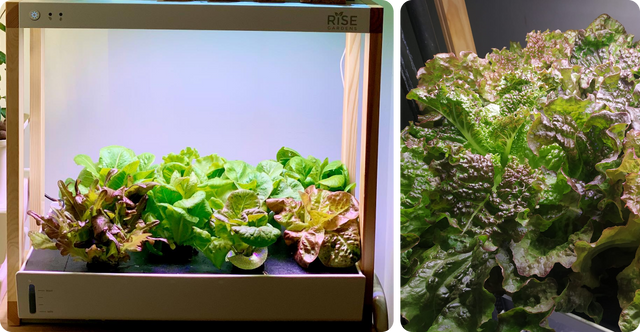
If you're new to gardening, lettuce is your green ally. These leafy greens are forgiving, making them an ideal choice for novice growers. With Rise Gardens, the process becomes even smoother, thanks to our expert guidance from the customer support team. Your journey to becoming a green thumb begins here!
Quick Growth, Quick Gratification
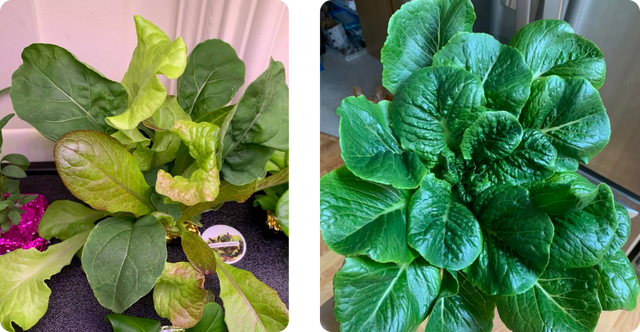
One of the joys of growing lettuce is its rapid development. In the blink of an eye (well, almost), you'll witness the transformation from tiny seeds to lush, green leaves. In fact, hydroponic lettuce can yield up to 11 harvests per year compared to just 2–3 in traditional soil gardening — making it the gardening equivalent of instant gratification, perfect for those who can't wait to see the fruits of their labor.
How Can You Use Lettuce Beyond the Salad Bowl?
Lettuce isn't just a one-trick pony relegated to salads (although it does excel there). It's a versatile green that can be incorporated into various recipes, adding freshness and crunch. From sandwiches to wraps, and even cooked dishes, lettuce is a culinary chameleon that enhances the flavor and texture of any meal.
Supercharged Salads Variety Pack: Your All-in-One Salad Solution
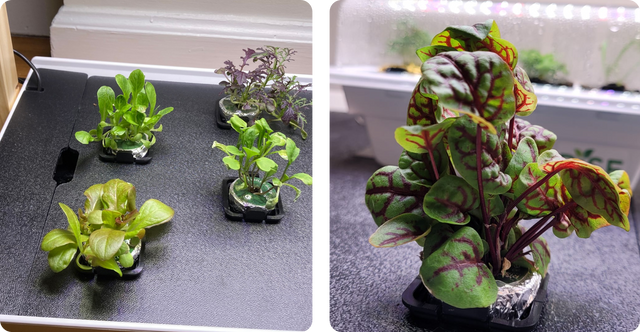
For beginners seeking a hassle-free start, we recommend our Supercharged Salads Variety Pack. This curated collection of seed pods includes Alfresco Mix Lettuce, Butter Crunch Lettuce, Parris Island Cos, Wild Rocket Arugula, Red Veined Sorrel, and Clio Dandelion. With a variety like this, you have the flexibility to choose the best greens for your indoor garden.
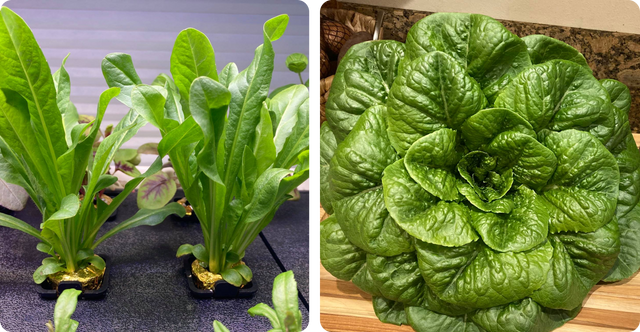
Alfresco Mix Lettuce:
Start your salad adventure with the vibrant Alfresco Mix Lettuce. This variety adds a splash of color and a medley of textures to your salads. Beyond the salad bowl, use the tender leaves as a crisp bed for your favorite protein or elevate your wraps with a layer of freshness.
Butter Crunch Lettuce:
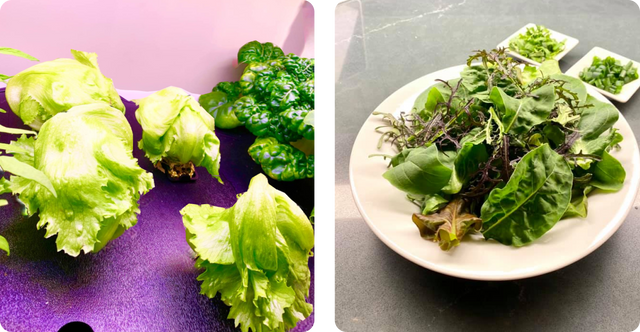
The Butter Crunch Lettuce, with its buttery, soft leaves, is a delight in every bite. Ideal for classic salads, its versatility extends to sandwiches and burgers. Picture a juicy burger nestled between two leaves of Butter Crunch – a crunchy, flavorful upgrade to your typical lettuce wraps.
Parris Island Cos:
Known for its elongated shape and crisp texture, Parris Island Cos is a staple in Caesar salads. But don't limit its use to just that. These leaves make fantastic wraps for a light lunch or dinner. Imagine savory fillings enveloped in the sturdy embrace of Parris Island Cos – a wholesome and satisfying experience.
Wild Rocket Arugula:
Inject a peppery kick into your salads with Wild Rocket Arugula. This zesty green not only adds a bold flavor but also brings a nutrient boost to your meals. Beyond salads, toss a handful of Wild Rocket Arugula into pasta dishes, pizzas, or even omelets for a culinary adventure that tingles your taste buds.
Red Veined Sorrel:
Step into the world of tangy sophistication with Red Veined Sorrel. Its vibrant red veins and lemony flavor make it a striking addition to salads, lending both visual appeal and a citrusy zest. Explore beyond salads by incorporating Red Veined Sorrel into sauces, dressings, or as a flavorful garnish for various dishes.
Clio Dandelion:
Add a touch of bitterness and nutritional richness to your salads with Clio Dandelion. Its serrated leaves bring a unique depth of flavor. While fantastic in salads, consider sautéing or wilting Clio Dandelion as a side dish or mixing it into your favorite stir-fries for a bold, nutritious twist.
Why Should You Grow Your Own Salads All Year Long?
As a bonus, the Supercharged Salads Variety Pack allows you to grow delicious salads throughout the year. Whether it's the crisp Butter Crunch or the peppery Wild Rocket Arugula, these varieties cater to your taste buds while providing a nutrient-packed punch — and research shows that hydroponically grown produce can contain up to 50% more vitamins than store-bought equivalents. Best of all, hydroponic systems use up to 95% less water than traditional soil gardening, so you can feel good about growing sustainably at home. Homegrown veggies have never been this easy and enjoyable! With your Rise Garden and the Supercharged Salads Variety Pack, you're not just growing lettuce; you're cultivating a lifestyle of nutritious and delicious homegrown goodness. So, grab your Supercharged Salads seeds, plant them with joy, and let the lettuce love bloom in your indoor garden! Happy growing!
Frequently Asked Questions
What is the easiest lettuce to grow for beginners?
Butterhead and loose-leaf lettuce varieties are the easiest for beginners because they grow quickly, tolerate minor care inconsistencies, and can be harvested with the cut-and-come-again method for multiple yields. In a Rise Garden, lettuce is typically ready for its first harvest in 21 to 30 days.
How do you grow lettuce hydroponically step by step?
Begin by placing a lettuce plant pod in your Rise Garden, fill the reservoir to the appropriate line with water and Sprout nutrients, and set the lights for 16 hours per day. After germination in three to five days, transition to Thrive nutrients and harvest outer leaves beginning at around three weeks.
Why is my lettuce growing slowly in a hydroponic system?
Slow lettuce growth is most commonly caused by insufficient light, low water temperature, or an incorrect nutrient concentration. Check that your grow light is running for the recommended 16 hours per day, ensure water temperature is between 65 and 72°F, and verify your nutrient solution is at the correct dosage.
How do you keep lettuce from getting bitter in a hydroponic garden?
Lettuce becomes bitter when it bolts due to high temperatures or stress, releasing compounds called sesquiterpene lactones that create bitterness. Keeping your growing environment cool and harvesting outer leaves regularly before the plant centers push upward prevents bolting and maintains mild, sweet flavor.