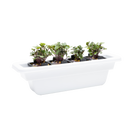
To get rid of algae in a hydroponic reservoir, drain and scrub the system completely, then block all light from reaching the water — algae cannot survive without light. Keep your nutrient solution temperature below 70°F (21°C) and maintain a pH between 5.5 and 6.5. Most algae blooms clear within 24–48 hours once light is fully eliminated.
Algae is a photosynthetic organism that thrives anywhere light meets water and dissolved nutrients. In a hydroponic system, your reservoir is essentially a perfectly stocked algae buffet — warm, nutrient-rich water exposed to even trace amounts of light. The good news: algae won't harm you or your plants directly, but left unchecked, it competes for oxygen and nutrients, clogs root zones, and signals that your system needs attention. Here's exactly how to deal with it.
Why Is Green Algae Growing in My Water Tank Hydroponics Setup?
Green algae in a water tank hydroponics system is almost always caused by the same combination of factors: light exposure, warm water, and elevated nutrient levels. Algae needs all three to establish itself. Remove any one of them and growth stalls.
Light is the primary trigger. Even diffuse ambient light filtering through a translucent reservoir lid or tubing is enough for algae spores — which are present in most tap water and air — to germinate and spread. A 2019 study from the University of Arizona's Controlled Environment Agriculture Center found that algae colonies can establish on reservoir walls within 72 hours of initial light exposure when water temperatures exceed 65°F.
Warm water accelerates the problem. Nutrient solution sitting above 72°F not only invites algae but also reduces dissolved oxygen levels, stressing your plant roots at the same time. Aim to keep your reservoir between 65°F and 70°F for optimal plant health and minimal algae risk.
High nutrient concentrations — especially if your electrical conductivity (EC) has crept above the recommended range for your crops — give algae extra fuel. EC is a measure of dissolved mineral salts in your water; most leafy greens grow best between 1.2 and 2.0 mS/cm. Overfeeding plants means excess nutrients sitting in solution, available for algae to consume.
How to Get Rid of Algae in a Hydroponic Reservoir Step by Step
A partial fix won't work. Algae reproduces rapidly — a single bloom can double in mass within 24 hours under favorable conditions — so a thorough clean is the only reliable reset.
- Remove plants carefully. Transfer them to a temporary container with fresh nutrient solution so roots stay hydrated during the cleaning process.
- Drain the reservoir completely. Discard all the old solution. Do not reuse it.
- Scrub all surfaces. Use a soft brush and a diluted hydrogen peroxide solution (3% food-grade H₂O₂, roughly 1 part peroxide to 3 parts water). Hydrogen peroxide breaks down into water and oxygen, leaving no harmful residue. Scrub the reservoir walls, lid, pump housing, and any tubing.
- Rinse thoroughly. Flush all components with clean water at least twice before refilling.
- Refill with fresh solution. Mix nutrients at the correct ratio, confirm pH is between 5.5 and 6.5, and check EC before returning your plants.
- Block every light source. Cover the reservoir with opaque material. Even a small gap matters — algae spores need very little light to restart growth.
For persistent or recurring algae, adding a small aquarium air stone to increase dissolved oxygen can make the reservoir environment less hospitable. Algae prefers stagnant, low-oxygen water.
How to Prevent Algae in Your Hydroponic System Long Term
Prevention is far less work than remediation. The three pillars of algae prevention are blocking light, controlling temperature, and maintaining clean nutrient ratios.
Blocking light from the hydroponic reservoir is the single most effective preventive measure. If you grow with a system like Personal Rise Garden, the reservoir design already limits light penetration — but you should still confirm that net pot holes, fill ports, and any clear tubing are covered or replaced with opaque alternatives. Light-blocking fabric or black reservoir covers are inexpensive and durable fixes.
Temperature control matters more than most growers expect. Research from NASA's Veggie project — which has been developing hydroponic growing systems for space stations since 2014 — consistently identifies water temperature management as critical to preventing microbial and algal contamination in closed-loop systems. Keeping your reservoir under 70°F is one of the simplest preventive steps you can take.
Reservoir change frequency also plays a role. Top off your reservoir with fresh water as levels drop, and do a full nutrient solution change every 7–14 days depending on plant size and growth stage. Stale solution accumulates organic matter that feeds algae even in the dark.
If you're growing in a larger setup like The Rise Garden 3 or the furniture-grade The Rise Loft, consistent maintenance schedules matter even more because larger reservoirs hold more solution and can harbor larger algae populations before the bloom becomes visible.
Planting with quality seed pods and following a consistent nutrient and pH routine gives your plants a competitive advantage over any algae that does try to establish itself. Healthy, fast-growing plants uptake nutrients efficiently, leaving less available for opportunistic growth.
Is Algae in My Hydroponic System Dangerous to Plants or People?
Algae itself is not toxic to humans or plants. The risks are indirect. As algae grows and then dies, it decomposes and consumes dissolved oxygen in the reservoir — the same oxygen your plant roots depend on. Oxygen-deprived roots are vulnerable to pythium (root rot), a fungal pathogen that can devastate a crop in under a week.
Algae also competes with plants for nutrients and can physically coat root surfaces, blocking absorption. Studies on recirculating hydroponic systems have shown that severe algae contamination can reduce plant nutrient uptake efficiency by up to 20%, translating directly into slower growth and smaller yields.
Thick algae mats can also clog pumps, reduce flow rates, and cause system failures. A small green tint in your water is a warning sign — not an emergency. A thick mat coating your reservoir walls is an emergency requiring immediate action.
Frequently Asked Questions
Can I use bleach to clean algae out of my hydroponic reservoir?
Bleach is effective at killing algae but requires extremely thorough rinsing before reintroduction of plants — chlorine residue will damage roots and disrupt beneficial microbial activity. Most growers find 3% hydrogen peroxide safer and easier to work with because it degrades harmlessly into water and oxygen within hours.
Will algae go away on its own if I just add more nutrients?
No. Adding nutrients without addressing the light and temperature conditions that caused the bloom will accelerate algae growth, not stop it. Algae feeds on the same mineral salts your plants do. The only reliable solution is removing the light source and physically cleaning the system.
How often should I change my hydroponic reservoir water to prevent algae?
A full reservoir change every 7–14 days is the standard recommendation for most home hydroponic setups. Top off with fresh water between changes to maintain volume and nutrient concentration. Consistent changes remove organic debris that algae feeds on and reset EC and pH to optimal ranges for your plants.