A fresh herb vinaigrette salad dressing recipe is exactly what it sounds like: a simple emulsified dressing built on oil and acid — typically vinegar or citrus — and elevated by the bold, aromatic flavor of freshly cut herbs. Unlike bottled dressings loaded with preservatives and stabilizers, a homemade vinaigrette takes under five minutes to shake together and tastes incomparably brighter. When those herbs come straight from a countertop hydroponic garden you tended yourself, the flavor difference is something you have to taste to believe. This guide walks you through a foolproof base recipe, flavor variations including a classic tarragon vinaigrette recipe and a chive and parsley dressing, and everything you need to know about growing the herbs yourself year-round.
Why Homegrown Herbs Make a Better Vinaigrette
The window between harvest and plate matters enormously when it comes to herbs. Volatile aromatic compounds — the molecules responsible for the bright, grassy, anise-forward, or peppery notes you love — begin degrading the moment a stem is cut. According to USDA post-harvest research, leafy herbs can lose a measurable portion of their essential oil content within 24 to 48 hours of harvest under typical refrigeration conditions. Supermarket herbs are often three to seven days off the farm before they reach your kitchen.
Growing herbs hydroponically indoors closes that gap entirely. You snip directly into the salad bowl. Hydroponic growing — a method of cultivating plants in a nutrient-rich water solution rather than soil — keeps roots oxygenated and consistently fed, which research from the University of Mississippi's natural products laboratory has shown can support higher concentrations of polyphenols and essential oils in culinary herbs compared to some soil-grown counterparts.
The practical result: your homegrown herb salad dressing will smell more fragrant, taste more complex, and require less herb overall to achieve the same punch. A tablespoon of freshly snipped tarragon from a hydroponic plant can deliver flavor that two tablespoons of week-old store-bought tarragon might not match.
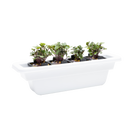
A compact system like the Personal Garden fits on any countertop and keeps basil, tarragon, chives, and parsley within arm's reach of your cutting board every single day of the year.
The Base Fresh Herb Vinaigrette Salad Dressing Recipe
This is the foundational formula. Once you understand the ratios, you can spin it in any direction using whatever herbs you have growing.
Ingredients
- 3 tablespoons extra-virgin olive oil
- 1 tablespoon white wine vinegar (or fresh lemon juice)
- 1 teaspoon Dijon mustard (acts as an emulsifier)
- 1 small garlic clove, finely minced or grated
- 2 tablespoons freshly chopped mixed herbs (any combination of parsley, chives, tarragon, basil, or dill)
- ¼ teaspoon fine sea salt
- Freshly cracked black pepper to taste
- ½ teaspoon honey or maple syrup (optional, balances acidity)
Instructions
- Add the mustard, garlic, vinegar, salt, and honey to a small jar with a tight-fitting lid.
- Pour in the olive oil.
- Seal the jar and shake vigorously for 20 to 30 seconds until the dressing looks uniform and slightly creamy.
- Add the freshly chopped herbs, shake once more, and taste.
- Adjust salt, acid, or sweetness as needed. Use immediately or refrigerate for up to five days.
Pro tip: The classic vinaigrette ratio is 3 parts oil to 1 part acid. Once that ratio is second nature, you will rarely need to measure again.
Tarragon Vinaigrette Recipe and Chive and Parsley Dressing Variations
The base recipe above is a blank canvas. Here are three variations worth keeping in rotation, each highlighting specific herbs you can grow in any Rise Gardens system.
Classic Tarragon Vinaigrette Recipe
French tarragon — the variety worth growing — has a delicate anise flavor that pairs beautifully with champagne vinegar and a touch of shallot. This dressing is the traditional accompaniment to a frisée salad or simple green beans.
- Swap white wine vinegar for champagne vinegar
- Replace mixed herbs with 2 tablespoons freshly chopped French tarragon
- Add 1 teaspoon finely minced shallot in place of garlic
- Omit the honey — tarragon's natural sweetness does that work
Tarragon is a perennial herb that thrives in hydroponic systems. Once established, you can harvest outer stems regularly and the plant will continue producing for months.
Chive and Parsley Dressing
This is the everyday workhorse. Chives bring a mild onion note and a vivid green color; flat-leaf parsley adds clean, grassy brightness and a slight bitterness that keeps rich dressings from feeling heavy.
- Use 1 tablespoon finely snipped chives and 1 tablespoon flat-leaf parsley, roughly chopped
- Add a squeeze of fresh lemon juice alongside the white wine vinegar for extra brightness
- A pinch of red pepper flakes adds a subtle warmth without overpowering the herbs
Both chives and parsley are among the fastest-growing herbs in a hydroponic setup. Most gardeners see their first harvestable growth within two to three weeks of planting seed pods.
Basil and Lemon Vinaigrette
- Replace vinegar entirely with fresh lemon juice
- Use 3 tablespoons freshly torn basil leaves
- Add ¼ teaspoon lemon zest for extra citrus depth
- A small pinch of sugar balances the lemon's sharpness
What Herbs Can You Grow Hydroponically for Salad Dressings?
If you are new to indoor growing, the list of herbs that perform well in hydroponic systems is longer than most people expect. Here are the top performers specifically for vinaigrettes and salad dressings, along with what makes each one valuable in the kitchen.
- French Tarragon: Anise-forward, elegant. Essential for French-style vinaigrettes. Grows steadily in hydroponic systems and prefers slightly cooler temperatures.
- Chives: Mild allium flavor, bright green. One of the most productive herbs you can grow indoors — a single plant can be harvested every two weeks.
- Flat-Leaf Parsley: Clean, slightly bitter, versatile. Grows vigorously under grow lights and provides continuous harvests over many months.
- Basil: Sweet, aromatic, slightly peppery. Thrives under warm grow lights. Harvest regularly to prevent bolting and maintain leaf quality.
- Dill: Feathery, tangy, slightly grassy. Excellent in creamy herb dressings and pairs well with cucumber salads.
- Cilantro: Bright, citrusy, polarizing. Fast-growing but quick to bolt; succession planting every few weeks keeps a steady supply available.
- Mint: Cool, refreshing. Excellent in grain salads and Southeast Asian-inspired vinaigrettes with rice vinegar and sesame oil.
Hydroponic herbs grow in a pH-controlled water environment — pH is a measure of acidity or alkalinity on a scale of 0 to 14, with 7 being neutral. Most culinary herbs prefer a slightly acidic growing solution between pH 5.5 and 6.5. Rise Gardens systems are designed to maintain this range automatically, which is one reason hydroponically grown herbs tend to be so consistent and productive.
How Does Growing Your Own Herbs Save Money Over Time?
This is one of the most common questions new indoor gardeners ask, and the numbers are genuinely encouraging. A single clamshell package of fresh herbs at the grocery store costs an average of $2.50 to $4.00 and typically contains far more than any single recipe requires. The remainder wilts in the refrigerator within three to five days for most people.
A 2023 market analysis found that American households throw away approximately 30 to 40 percent of the fresh produce they purchase, with fresh herbs among the most frequently discarded items. That adds up quickly across a year of cooking.
By contrast, a hydroponic herb plant can be harvested partially every one to two weeks for several months. If a home cook uses herbs in two to three recipes per week — which is realistic for anyone who makes salad dressings, soups, or marinades regularly — growing their own herbs can save $200 to $400 annually on fresh herbs alone, depending on variety selection and usage frequency.
The The Rise Garden 3 supports up to 36 plant pods simultaneously, giving you the scale to grow every herb in this article at the same time alongside lettuces, microgreens, and edible flowers for the salads themselves. For a more focused herb setup, the The Rise Loft offers a premium, furniture-grade design that looks as good as it performs — ideal for keeping a curated selection of your favorite salad herbs in a dining room or kitchen with a more elevated aesthetic.
One thing to understand about hydroponic growing economics: the primary ongoing cost is nutrients — the mineral solutions that replace what soil would normally provide. A quality hydroponic nutrient solution dosed correctly costs pennies per gallon of reservoir water, making it one of the lowest-cost inputs in the entire growing process.
Tips for Getting the Most Flavor Out of Your Homegrown Herb Salad Dressing
Growing excellent herbs is half the equation. Getting the most out of them in your dressing is the other half. These techniques are used by professional chefs and are easy to apply at home.
Harvest at the Right Time
Herb flavor is most concentrated in the morning, after the plant has had a full dark cycle. The essential oils that give herbs their aroma accumulate overnight. If you can harvest just before preparing your dressing rather than hours in advance, you will notice the difference immediately.
Bruise Before You Chop
Gently crushing herbs with the flat of a knife before chopping ruptures more cell walls and releases more aromatic compounds into the oil. This is particularly effective with tarragon, basil, and mint.
Bloom Herbs in Oil First
For an especially fragrant dressing, add your chopped herbs to the olive oil and let them sit for 10 to 15 minutes before shaking the vinaigrette together. The oil pulls fat-soluble flavor compounds from the herbs before the acid is introduced, resulting in a more deeply flavored final product.
Balance the Four Flavor Notes
A great vinaigrette balances fat (oil), acid (vinegar or citrus), salt, and a touch of sweetness. Herbs add a fifth dimension — aromatic complexity — but they do not fix an imbalanced dressing. Always taste and adjust before serving.
Use Full-Fat, High-Quality Oil
Extra-virgin olive oil is the standard for a reason. Its fruity, slightly peppery character complements most culinary herbs. For Asian-inspired herb dressings, a neutral oil like avocado oil lets the herbs speak without competition.
Frequently Asked Questions
How long does a fresh herb vinaigrette salad dressing last in the refrigerator?
A vinaigrette made with fresh herbs will keep in a sealed jar in the refrigerator for up to five days. The oil will solidify slightly when cold — just let the jar sit at room temperature for five minutes and shake it before using. Dressings with raw garlic are best consumed within three days for both flavor and food safety reasons.
Can I use dried herbs instead of fresh in a vinaigrette?
You can, but the result will taste noticeably different. Dried herbs have lost most of their volatile aromatic oils and work better in cooked applications where heat re-activates some of the remaining compounds. If fresh herbs are unavailable, use one-third the amount of dried herbs called for — dried herbs are more concentrated by weight — and allow the dressing to rest for 30 minutes before serving so the dried herbs can rehydrate slightly in the oil.
What is the best vinegar for a tarragon vinaigrette recipe?
Champagne vinegar is the classic pairing for tarragon because its mild, slightly floral acidity does not compete with tarragon's delicate anise flavor. White wine vinegar is a good second choice. Avoid red wine vinegar or balsamic in a tarragon-forward dressing — both are assertive enough to overwhelm the herb's subtle character.
Do hydroponic herbs taste different from soil-grown herbs?
Hydroponic herbs are consistently reported by growers and culinary professionals to be tender, clean-tasting, and free of grit. Because the plant receives precisely calibrated nutrients and water at the root zone at all times, there are no stress periods from drought or nutrient deficiency that can introduce bitterness or off-flavors. University research and NASA's Veggie project — which has grown food crops on the International Space Station using hydroponic techniques since 2014 — both support hydroponic growing as a reliable method for producing high-quality, nutritious greens and herbs in controlled environments.