A hydroponic bruschetta recipe is exactly what it sounds like: a classic Italian appetizer made with ingredients you've grown yourself in a soil-free, water-based indoor garden system. Instead of reaching for store-bought basil that's already wilting at the edges or tomatoes that were picked weeks before they hit the shelf, you're harvesting vibrant, nutrient-dense produce steps from your kitchen. The result is a bruschetta that tastes unmistakably fresh — because it is. This guide walks you through growing the key ingredients hydroponically, then brings it all together in a recipe you'll want to make every weekend.
Why Hydroponic Herbs and Tomatoes Make Better Bruschetta
Bruschetta lives or dies by ingredient quality. The classic combination of fresh basil and tomato bruschetta depends on produce that has real flavor — not the bland, mealy tomatoes that spend days in refrigerated trucks before reaching a grocery store shelf. Hydroponically grown plants have a real advantage here.
Hydroponics is a method of growing plants without soil, using a nutrient-rich water solution delivered directly to the roots. Because the plant doesn't have to expend energy searching for nutrients through soil, it can redirect that energy into growth and flavor development. According to research published by the University of Mississippi, hydroponically grown herbs can contain significantly higher concentrations of essential oils compared to their soil-grown counterparts — and those essential oils are exactly what give fresh basil its bold, peppery aroma.
Beyond flavor, there's a convenience factor that any home cook will appreciate. When your basil is growing three feet from your stovetop, you're not buying a $4 clamshell of herbs you'll use once and throw away. You harvest only what you need, right when you need it. That's the kind of fresh that transforms a simple indoor garden appetizer recipe into something guests actually remember.
What Do You Need to Grow Bruschetta Ingredients Indoors?
Growing your own bruschetta ingredients starts with choosing the right hydroponic system and the right plants. For a classic bruschetta, you'll want at minimum:
- Genovese basil — the standard for Italian cooking, with large, aromatic leaves
- Cherry or Roma tomatoes — compact varieties suited to indoor growing
- Flat-leaf (Italian) parsley — optional but adds brightness
- Garlic chives — a hydroponic-friendly alternative if you want a garlic note beyond what's in the recipe
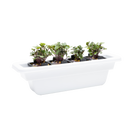
For basil and herbs, a compact countertop system like the Personal Garden is an excellent fit. It holds up to 9 plant pods and fits neatly on a kitchen counter, meaning your harvest is always within arm's reach. If you want to grow tomatoes alongside your herbs — and tomatoes do require more vertical space and light — stepping up to the The Rise Garden 3 gives you the flexibility of a full three-tier system with adjustable lighting and room for larger fruiting plants.
You'll also want to start with quality seed pods pre-seeded with the exact varieties suited to indoor hydroponic growing. These take the guesswork out of germination and are optimized for the Rise Gardens ecosystem.
One technical note: hydroponic plants thrive when the nutrient solution is maintained at a pH between 5.5 and 6.5. Basil specifically prefers a slightly lower range of 5.5 to 6.0. Keeping your system's pH in range ensures your plants can actually absorb the nutrients in the water — even a well-dosed solution becomes unavailable to plant roots if the pH drifts too far in either direction.
How Long Does It Take to Grow Hydroponic Basil for Bruschetta?
This is one of the most common questions from first-time indoor gardeners, and the answer is more encouraging than most people expect. Hydroponic basil typically reaches its first harvestable size in 3 to 4 weeks from germination — roughly half the time it takes in a traditional outdoor garden. NASA's Veggie project, which tested plant growth in controlled environments aboard the International Space Station, demonstrated that optimized lighting and direct nutrient delivery accelerate growth rates substantially compared to soil-based methods.
Here's a general timeline for your bruschetta garden:
- Days 1–7: Germination. Your seed pods will sprout and begin establishing roots in the water channel.
- Days 7–14: Seedling stage. You'll see the first true leaves forming on basil; thin to the strongest seedling per pod.
- Days 14–28: Rapid vegetative growth. Basil will bush out noticeably. Lights should run 16 hours on, 8 hours off for herbs.
- Week 4 and beyond: First harvest. Pinch leaves from the top to encourage bushy growth and prevent early bolting.
Cherry tomatoes take longer — typically 60 to 80 days from transplant to first ripe fruit indoors. If you want to have tomatoes and basil ready at the same time, start your tomatoes 4 to 6 weeks before your basil. That said, you can absolutely make this homegrown herb bruschetta using hydroponically grown basil paired with high-quality store-bought tomatoes while your indoor tomatoes are still maturing. The homegrown basil alone makes a dramatic difference.
The Hydroponic Bruschetta Recipe
Once your basil is lush and your tomatoes are ripe, this recipe comes together in about 20 minutes. The focus here is on letting fresh, high-quality ingredients do the work.
Ingredients (Serves 4–6)
- 1½ cups cherry tomatoes or 3 medium Roma tomatoes, diced and seeded
- ⅓ cup fresh basil leaves, harvested from your hydroponic garden and chiffonade-cut
- 2 cloves garlic (1 minced for the topping, 1 left whole for rubbing the bread)
- 2 tablespoons extra virgin olive oil, plus more for drizzling
- 1 tablespoon balsamic glaze
- ½ teaspoon flaky sea salt
- ¼ teaspoon freshly cracked black pepper
- 1 baguette, sliced on the diagonal into ½-inch pieces
- Optional: 1 tablespoon fresh flat-leaf parsley, finely chopped
Instructions
- Make the tomato topping. Combine diced tomatoes, chiffonade basil, minced garlic, olive oil, salt, and pepper in a bowl. Toss gently and let it rest for at least 10 minutes at room temperature. This resting period is not optional — it allows the salt to draw out the tomato juices and the flavors to meld. If you have the time, 30 minutes produces a noticeably more flavorful result.
- Toast the bread. Arrange baguette slices on a sheet pan and brush lightly with olive oil. Broil for 2 to 3 minutes until the tops are golden and crisp. Watch closely — they go from golden to burnt quickly under a broiler. Alternatively, use a grill pan over medium-high heat for attractive char marks.
- Rub with garlic. While the toast is still hot, take the whole garlic clove and rub it firmly across the surface of each slice. The rough, toasted bread acts like a grater, releasing the garlic oils directly into the bread. This step adds a subtle garlic flavor that doesn't overpower the fresh toppings.
- Assemble. Spoon a generous amount of the tomato-basil mixture onto each slice. Finish with a small drizzle of balsamic glaze and a pinch of flaky sea salt.
- Serve immediately. Bruschetta is best eaten within 10 minutes of assembly. The longer it sits, the more the bread softens from the tomato moisture. If you're serving it for a party, set up the components separately and let guests assemble their own.
Tips for the Best Results
- Seed and drain your tomatoes before mixing. Removing excess liquid keeps the topping from turning watery.
- Harvest your basil right before making the recipe. Basil bruises easily and begins to oxidize (turn black) within minutes of cutting. Cutting it last and adding it to the mix just before serving preserves its color and fragrance.
- Room temperature is non-negotiable for tomatoes. Cold tomatoes lose volatile aromatic compounds that carry flavor. Never refrigerate fresh tomatoes — including hydroponic ones.
Growing a Year-Round Bruschetta Garden Indoors
One of the most underappreciated advantages of indoor hydroponic growing is the complete independence from seasons. A study by the USDA's Agricultural Research Service found that controlled-environment agriculture can produce yields up to 11 times higher per square foot annually compared to conventional field production — primarily because there is no off-season. Your basil grows in January the same way it grows in July.
This changes how you think about cooking. Instead of treating fresh basil as a summer luxury, you have it available continuously. You can develop a rhythm: harvest the outer leaves regularly, let the plant keep producing, and refresh your pod every 8 to 10 weeks when the plant starts to bolt or lose vigor.
For those who want to build out a more comprehensive indoor garden — one that can support not just bruschetta but a full range of fresh cooking ingredients — the The Rise Loft is worth a serious look. It's a premium indoor garden with furniture-grade design that functions as both a high-output growing system and a piece of home decor, with enough capacity to grow herbs, lettuces, peppers, and even small fruiting plants simultaneously.
A reasonable year-round bruschetta garden rotation might look like this:
- Always growing: Genovese basil, flat-leaf parsley
- Rotating in as needed: Cherry tomatoes (start a new pod every 10–12 weeks), oregano, thyme
- Seasonal additions: Arugula in cooler months for a peppery bruschetta variation
Can You Customize This Bruschetta Recipe With Other Hydroponic Herbs?
Absolutely — and this is where having an indoor garden really opens up your creativity. The classic fresh basil and tomato bruschetta is a perfect canvas for experimentation once you have multiple herbs growing simultaneously. Here are a few variations that work exceptionally well with hydroponically grown ingredients:
- Basil and oregano bruschetta: Add 1 teaspoon of fresh oregano leaves to the standard recipe. Oregano is one of the fastest-growing herbs in a hydroponic system and adds an earthy, slightly bitter counterpoint to sweet summer tomatoes.
- Herb-forward bruschetta with parsley and chives: Replace half the basil with flat-leaf parsley and a tablespoon of snipped chives. This version is lighter and more herbaceous — great as a starter before a heavier main course.
- Spicy bruschetta with Thai basil: Swap Genovese basil for Thai basil, which grows readily in a hydroponic system and has a distinct anise-and-clove flavor profile. Add a pinch of red pepper flakes to lean into the heat.
- Arugula bruschetta: Top the standard tomato mixture with a handful of freshly harvested hydroponic arugula just before serving. The peppery bite of arugula balances the acidity of the tomatoes beautifully.
The common thread in all of these variations is that hydroponically grown herbs are consistently more aromatic than store-bought options. A 2019 study found that hydroponic basil had an average essential oil content of 0.68% dry weight — measurably higher than field-grown basil at comparable harvest stages. That difference is detectable in the final dish.
Frequently Asked Questions
Can I grow tomatoes hydroponically indoors for bruschetta?
Yes — cherry tomato varieties like Sweet Million or Tumbling Tom are well-suited to indoor hydroponic growing because they stay compact and produce fruit reliably under LED grow lights. Expect 60 to 80 days from transplant to first ripe fruit. You'll need a system with adequate vertical clearance and at least 12 to 14 hours of light per day for fruiting plants.
What is the best basil variety for a hydroponic bruschetta recipe?
Genovese basil is the standard choice for Italian cooking and bruschetta specifically. It produces large, deeply aromatic leaves with a classic sweet-peppery flavor. It also grows quickly and prolifically in a hydroponic system, making it one of the best starter herbs for any indoor garden appetizer recipe rotation.
How do I keep my hydroponic basil from bolting before I use it?
Bolting — when a plant shifts energy to flower and seed production — is triggered by long light exposure and warm temperatures. Keep your grow lights on a 16-hours-on, 8-hours-off cycle and pinch off any flower buds as soon as they appear. Harvesting regularly from the top of the plant also delays bolting by signaling to the plant that it needs to keep producing leaves.
Do I need special equipment to start growing bruschetta ingredients hydroponically?
You don't need much to get started. A countertop hydroponic system, a set of pre-seeded herb and vegetable seed pods, a quality nutrient solution, and a pH testing kit are the core requirements. Most Rise Gardens systems come with guided setup and an app to help you track your garden's progress, which removes most of the technical complexity for new growers.