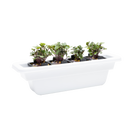
A hydroponic kimchi recipe starts long before the cutting board — it starts with seeds, water, and light. Kimchi is a traditional Korean fermented vegetable dish made primarily from napa cabbage, salt, garlic, ginger, and gochugaru (Korean red pepper flakes). The fermentation process transforms these ingredients into a probiotic-rich, deeply flavorful condiment that has been a staple in Korean households for over 2,000 years. What makes this version different is that the star ingredient — napa cabbage — comes straight from your own indoor hydroponic garden, giving you complete control over what goes into your food from seed to jar.
Why Grow Napa Cabbage Hydroponically for Kimchi?
Napa cabbage is one of the most rewarding brassicas you can grow in a hydroponic system. Unlike soil-grown cabbage, which can take 70–80 days to mature outdoors and is vulnerable to pests, weather fluctuations, and soil-borne diseases, hydroponically grown napa cabbage typically matures in 45–60 days under consistent indoor conditions. That means you can have fresh, pesticide-free leaves ready for homegrown napa cabbage kimchi in under two months — year-round.
Hydroponic systems deliver nutrients directly to the root zone in a water solution, which means plants absorb what they need more efficiently than in soil. According to research supported by the USDA Agricultural Research Service, hydroponic production can use up to 90% less water than conventional field growing while producing yields up to 3–4 times higher per square foot. For a home cook who wants consistent access to kimchi ingredients without relying on grocery store availability, that efficiency is a genuine advantage.
Napa cabbage grows well in systems like The Rise Garden 3, a full-size indoor hydroponic garden system designed to support larger, leafy crops. Its multi-tier design gives cabbage plants the vertical space and root depth they need to develop properly. You can start your cabbage from seed pods specifically designed for Rise Gardens systems, ensuring the growing medium and germination environment are optimized from day one.
What Equipment and Ingredients Do You Need?
Before you start fermenting, you need to harvest and gather everything. Here is a complete breakdown of what you will need for a standard batch of hydroponic kimchi.
For Growing (Hydroponic Setup)
- Rise Gardens indoor hydroponic system (see options below)
- Napa cabbage seed pods
- Nutrients formulated for leafy greens and brassicas
- Full-spectrum LED grow lights (included in Rise Gardens systems)
- pH meter — napa cabbage thrives at a water pH between 6.0 and 7.0
For the Kimchi Recipe
- 1 medium head of hydroponic napa cabbage (approximately 2 lbs / 900g after harvest)
- ¼ cup (60g) non-iodized sea salt or kosher salt
- 1 tablespoon fish sauce (or soy sauce for a vegan version)
- 1–5 tablespoons gochugaru (Korean red pepper flakes), adjusted to heat preference
- 1 tablespoon freshly grated ginger
- 4–5 cloves garlic, minced
- 4 green onions, chopped into 1-inch pieces
- 1 teaspoon sugar or a small piece of Asian pear (for natural sweetness and to kickstart fermentation)
- 1–2 medium carrots, julienned (optional but traditional)
- 1 wide-mouth quart mason jar (or two pint jars), sterilized
A note on salt: always use non-iodized salt. Iodine in table salt can inhibit the Lactobacillus bacteria responsible for fermentation, slowing or disrupting the process entirely.
Step-by-Step Hydroponic Kimchi Recipe
This recipe produces approximately one quart of kimchi. The active preparation time is about 30–40 minutes, but the fermentation period requires patience — typically 1–5 days at room temperature before transferring to the refrigerator.
Step 1: Harvest and Salt the Cabbage
Harvest your hydroponic napa cabbage by cutting the head at the base. Remove any outer leaves that look damaged. Quarter the head lengthwise, then cut each quarter crosswise into 2-inch pieces. Place the chopped cabbage in a large mixing bowl and sprinkle the salt evenly over it. Using clean hands, massage the salt into the cabbage for 2–3 minutes until it starts to soften and release liquid. Let it sit for 1–2 hours, tossing every 30 minutes. The cabbage should wilt significantly and release a substantial amount of liquid (this brine is what creates the anaerobic environment for fermentation).
Step 2: Rinse and Dry
After salting, rinse the cabbage thoroughly under cold water 2–3 times to remove excess salt. Taste it — it should be pleasantly salty but not overwhelming. Drain it well in a colander and gently squeeze out additional moisture. The drier the cabbage at this stage, the better the final texture.
Step 3: Make the Kimchi Paste
In a small bowl, combine the gochugaru, minced garlic, grated ginger, fish sauce (or soy sauce), and sugar. Mix until a thick, uniform paste forms. Adjust the gochugaru to your heat tolerance — 1 tablespoon produces a mild kimchi, while 4–5 tablespoons delivers a deeply spicy result.
Step 4: Combine and Pack
In your large mixing bowl, combine the drained cabbage, green onions, carrots (if using), and kimchi paste. Using clean hands (wear gloves if your skin is sensitive to chili), massage the paste thoroughly into all the vegetables until every piece is coated. Pack the mixture tightly into your sterilized mason jar, pressing down firmly after each handful to eliminate air pockets. Leave at least 1 inch of headspace at the top — the kimchi will expand as it ferments and releases gas.
Step 5: Ferment
Seal the jar loosely (not airtight, to allow gas to escape) and leave it at room temperature, ideally between 65–75°F (18–24°C). Once or twice a day, press the kimchi down with a clean spoon to keep the vegetables submerged under their brine. After 24 hours, you should start to see small bubbles — a sign fermentation is active. Taste daily. Most people prefer the flavor after 2–3 days at room temperature, when it is tangy but still has a fresh crunch. Once it reaches your preferred flavor, seal the jar and refrigerate. Cold fermentation continues slowly in the refrigerator, and kimchi is often considered best after 2–4 weeks of cold storage.
Step 6: Serve and Enjoy
Serve your homegrown napa cabbage kimchi as a side dish (banchan), stir it into fried rice, layer it on a grilled cheese sandwich, add it to ramen, or eat it straight from the jar. Refrigerated kimchi stays fresh for 3–6 months, and the flavor deepens over time.
How Does Fermentation Work in Homegrown Kimchi?
Fermentation is the biological engine behind kimchi's flavor and nutritional profile. When you salt the cabbage, you draw out moisture and create an environment that suppresses harmful bacteria while allowing beneficial Lactobacillus species to thrive. These naturally occurring bacteria consume the sugars in the cabbage and produce lactic acid — the compound responsible for kimchi's signature sour tang.
A study published by researchers at the Weizmann Institute of Science found that fermented foods rich in Lactobacillus strains can increase microbiome diversity — a marker associated with overall gut health. Traditional kimchi contains several active Lactobacillus species, including L. plantarum and L. brevis, both of which are well-documented in the scientific literature on fermented foods.
The quality of your starting ingredient matters enormously in fermentation. Cabbage grown in a controlled hydroponic environment — free from pesticide residue and harvested at peak freshness — provides clean, uncompromised raw material for fermented vegetables from your indoor garden. There are no soil contaminants, no unexpected chemical residues, and no question about how the plant was grown. You watched it from seed to harvest.
According to a landmark study from the NASA Veggie project, plants grown under optimized LED lighting and precise nutrient delivery systems show consistent phytochemical profiles compared to field-grown counterparts, which can vary significantly depending on seasonal and soil conditions. Consistency in your cabbage means consistency in your kimchi.
Which Rise Gardens System Is Best for Growing Kimchi Ingredients?
The answer depends on how much you want to grow and your available space. Napa cabbage is a medium-to-large plant that benefits from deep water culture and strong light — so your system selection matters.
If you have a dedicated space and want to grow full heads of napa cabbage alongside other kimchi ingredients like green onions and garlic chives, The Rise Garden 3 is built for that volume. Its stacked tiers let you grow different crops simultaneously, so you can have napa cabbage on one level and scallions on another — all the components of your fermented vegetables indoor garden recipe in one place.
For those working with limited counter space, the Personal Garden is a compact countertop hydroponic garden that can support smaller napa cabbage plants and a steady supply of green onions and herbs. It won't grow a full 2-pound head of cabbage, but it can grow baby napa cabbage leaves — excellent for smaller, more frequent kimchi batches or for adding fresh fermented flavor to meals without committing to a large-batch project.
If you want a system that combines serious growing capacity with a premium aesthetic that fits into a modern home, The Rise Loft is designed with furniture-grade construction so it can live in a living room, dining room, or kitchen without looking like a lab setup. It supports a full suite of vegetables including brassicas, and its design means your hydroponic cabbage recipes project is always visible — a natural conversation starter and a practical food system in one.
Whichever system you choose, make sure your nutrients are dialed in for leafy brassicas. Napa cabbage is a heavy feeder, particularly of nitrogen during its vegetative growth phase. Maintaining your nutrient solution's electrical conductivity (EC) in the range of 1.5–2.5 mS/cm supports healthy, dense cabbage heads that are ideal for kimchi-making.
Tips for a Better Batch Every Time
Even experienced fermenters occasionally end up with a batch that's too salty, too soft, or not tangy enough. Here are specific, practical adjustments that make a measurable difference.
- Salt percentage matters: Use salt at 2–3% of the total weight of your cabbage. For a 900g head, that's 18–27g of salt. A kitchen scale is more reliable than volume measurements here.
- Temperature controls tang speed: Warmer rooms accelerate fermentation. If your kitchen runs above 75°F (24°C), check your kimchi after just 24 hours to avoid over-souring.
- Keep it submerged: Vegetables exposed to air above the brine line can develop surface mold. Always press the kimchi down so it stays covered in liquid.
- Freshness of ingredients: Hydroponic napa cabbage harvested the same day it goes into the brine produces noticeably crisper, more vibrant kimchi than cabbage that has sat in a refrigerator for days. This is one of the most underrated advantages of growing your own.
- Adjust gochugaru for color and heat separately: If you want the classic deep red color but less heat, use a blend of mild and hot gochugaru. The color comes from the pepper pigment, while the heat level can be modulated.
Frequently Asked Questions
Can I make kimchi with hydroponically grown napa cabbage?
Yes, and many home fermenters prefer it. Hydroponic napa cabbage is grown without soil-borne pathogens, typically free from pesticide residue, and harvested at peak freshness — all factors that contribute to cleaner fermentation and a crisper final texture. The process of making kimchi from hydroponic cabbage is identical to using field-grown cabbage; only the source of your ingredient changes.
How long does homemade kimchi last in the refrigerator?
Properly made kimchi stored in a sealed jar in the refrigerator typically lasts 3–6 months. The fermentation continues slowly at refrigerator temperatures, so kimchi made with fresh hydroponic cabbage will deepen in flavor over weeks. Most people find the flavor peaks between 2–4 weeks after initial fermentation, though many prefer it both young and aged depending on how they plan to use it.
What pH level should my hydroponic water be when growing napa cabbage?
Napa cabbage grows best in hydroponic systems with a water pH between 6.0 and 7.0, with the sweet spot around 6.2–6.8. Outside this range, the plant cannot absorb key nutrients effectively even if they are present in the solution — a condition called nutrient lockout. Check your pH every 1–2 days using a calibrated digital pH meter, especially during the rapid growth phase.
Do I need any special equipment to ferment kimchi at home?
No specialized equipment is required. A wide-mouth quart mason jar, a large mixing bowl, a kitchen scale, and clean hands are the core tools. Non-iodized salt is essential — iodized table salt can inhibit the Lactobacillus bacteria needed for fermentation. Some fermenters use a fermentation weight or a small zip-lock bag filled with brine to keep the vegetables submerged, but pressing the kimchi down daily with a clean spoon achieves the same result without any additional gear.