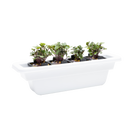
A hydroponic green curry recipe is exactly what it sounds like: a fragrant, deeply flavorful Thai-inspired green curry made using fresh herbs and greens you've grown yourself in a soil-free, water-based indoor garden system. Instead of grabbing a wilted bunch of Thai basil from the grocery store, you snip what you need directly from your countertop or floor-standing hydroponic garden — minutes before it hits the pan. The difference in aroma, brightness, and taste is hard to overstate.
Why Homegrown Herbs Make Thai Curry Taste Better
Thai green curry is one of the most herb-forward dishes in the world. The paste alone typically calls for fresh green chilies, lemongrass, galangal, kaffir lime leaves, cilantro root, and Thai basil — ingredients whose volatile aromatic compounds degrade quickly after harvest. A study published by the USDA's Agricultural Research Service found that many leafy herbs can lose up to 40% of their volatile flavor compounds within 24 to 48 hours of being cut and refrigerated. That's the gap between grocery-store herbs and garden-fresh herbs on your plate.
When you grow your own homegrown herbs for Thai curry, you close that gap entirely. Hydroponically grown plants tend to express concentrated flavors because the system delivers nutrients directly to the root zone with precision — there's no competition with soil microbes, no drought stress, and no nutrient lockout from inconsistent pH. The result is a Thai basil leaf that genuinely smells like Thai basil is supposed to smell: anise-forward, slightly spicy, intensely fragrant.
What Herbs Should You Grow for a Hydroponic Green Curry Recipe?
The beauty of building an indoor garden curry recipe around what you grow is that you can stock exactly what Thai cooking demands. Here's the core lineup worth keeping growing at all times:
- Thai Basil: The most essential herb in this dish. Unlike Italian sweet basil, Thai basil has a more robust, slightly licorice-like flavor that holds up to high heat. It's also one of the easiest herbs to grow hydroponically.
- Cilantro: Used in the paste and as a garnish. Cilantro bolts quickly in warm conditions, so keeping your indoor temperature between 65–70°F (18–21°C) extends the harvest window significantly.
- Lemongrass: Grows well in hydroponic systems with adequate root space. You'll use the lower stalks — bruise them before adding to the curry base.
- Kaffir Lime Leaves: The fresh double-lobed leaves are transformative in green curry and difficult to find at most grocery stores, making this one of the best arguments for growing your own.
- Green Onions / Scallions: Fast-growing and endlessly useful as a finishing garnish. Scallions typically reach harvest size in just 3–4 weeks in a hydroponic system.
- Spinach or Bok Choy: For the curry body, leafy greens grown in your indoor garden add nutrition and substance. Both thrive in hydroponic conditions.
Ready to start growing? The Personal Garden is a compact countertop hydroponic system that lets you grow up to 10 plants at once — the perfect size for keeping a steady rotation of Thai herbs going year-round.
The Full Hydroponic Green Curry Recipe
This recipe serves 4 and is designed around what you can realistically harvest from a home indoor garden. It uses a store-bought green curry paste as the base, then layers in your fresh homegrown herbs at key moments for maximum impact.
Ingredients
From your indoor garden:
- 1 large handful Thai basil leaves (about 1 cup loosely packed) — harvested just before cooking
- ¼ cup fresh cilantro leaves and tender stems
- 4–6 kaffir lime leaves, center rib removed, thinly sliced (or 1 tsp lime zest as substitute)
- 2 stalks lemongrass, outer layers removed, lower 5 inches bruised and cut into 2-inch pieces
- 3–4 scallions, thinly sliced
- 2 cups baby spinach or roughly chopped bok choy
From the pantry:
- 2 tbsp green curry paste (Mae Ploy and Maesri are reliable brands)
- 1 can (13.5 oz) full-fat coconut milk
- 1 cup vegetable or chicken broth
- 1 tbsp fish sauce (or soy sauce for vegan)
- 1 tsp coconut sugar or palm sugar
- 1 tbsp neutral oil (coconut oil or avocado oil)
- 1 lb protein of choice: tofu, chicken breast, shrimp, or chickpeas
- 1 cup snap peas or zucchini, sliced
- Cooked jasmine rice, for serving
- Lime wedges, for serving
Instructions
- Bloom the paste: Heat oil in a large skillet or wok over medium-high heat. Add the green curry paste and stir constantly for 60–90 seconds, until it darkens slightly and becomes very fragrant.
- Build the base: Pour in about half the coconut milk and stir to combine with the paste. Add the lemongrass stalks and kaffir lime leaves. Let this simmer for 2 minutes.
- Add liquid and protein: Pour in the remaining coconut milk and the broth. Add your protein and bring everything to a gentle simmer. Cook until protein is cooked through — about 5–7 minutes for chicken or shrimp, 3–4 minutes for tofu.
- Season: Add fish sauce and coconut sugar. Taste and adjust. Add the snap peas or zucchini and cook for 2 more minutes.
- Add your greens: Stir in the spinach or bok choy and cook for 1 minute until just wilted.
- Finish with fresh herbs: Remove from heat. Stir in roughly two-thirds of your Thai basil and cilantro. The residual heat will wilt the herbs gently without destroying their flavor. Remove lemongrass stalks before serving.
- Plate and garnish: Serve over jasmine rice. Top with the remaining fresh Thai basil, cilantro, and sliced scallions. Add a lime wedge on the side.
How Do You Set Up an Indoor Garden for Growing Thai Herbs?
Growing Thai herbs indoors hydroponically is more straightforward than most people expect, but a few technical details make a real difference in plant quality and yield.
pH matters most. The pH of your water directly controls which nutrients plants can absorb. For most herbs, the target range is 5.5 to 6.5 pH. Outside that window, even a perfectly balanced nutrient solution becomes partially unavailable to your plants.
Electrical conductivity (EC) is the second number to track. EC measures the total concentration of dissolved nutrients in your water. Herbs like Thai basil and cilantro prefer a moderate EC of roughly 1.0 to 1.6 mS/cm — enough to feed vigorous growth without stressing the plant.
Light is non-negotiable. Thai basil and cilantro both need at least 14–16 hours of light per day to thrive indoors. Rise Gardens systems use full-spectrum LED grow lights engineered specifically for food plants.
For a dedicated Thai herb setup, The Rise Garden 3 supports up to 36 plants across three tiers, giving you the space to grow Thai basil, cilantro, lemongrass, scallions, and leafy greens simultaneously. Use seed pods to get started quickly, and keep a supply of nutrients on hand to maintain optimal EC levels throughout the growing season.
Is a Hydroponic Green Curry Recipe Actually Worth the Effort?
The curry itself takes about 25–30 minutes of active cooking. The herbs take 3–5 weeks to grow from seed to first harvest — but after that initial investment, you're harvesting continuously for months. Thai basil, in particular, can produce harvestable leaves every 1–2 weeks if you pinch the plant correctly.
Consider the economics: a single bunch of fresh Thai basil at a specialty grocery store typically runs $3–5 and lasts maybe 4–5 days in the fridge. A hydroponic Thai basil plant, once established, can yield fresh leaves for 3–6 months — the equivalent of 12–24 store-bought bunches without a single grocery run.
Beyond economics, herbs harvested minutes before cooking simply perform better. The volatile aromatic oils — the terpenes and phenols responsible for flavor and fragrance — are at their peak concentration right at harvest. That's the herb your curry deserves.
Tips for Customizing Your Indoor Garden Curry Recipe
- Swap spinach for microgreens: If you're growing pea shoots or sunflower microgreens, add a handful as a finishing garnish for texture and fresh contrast.
- Use lemon basil if Thai basil isn't ready: Lemon basil has a brighter, citrus-forward profile that still works beautifully in green curry, especially with shrimp or fish.
- Freeze your surplus: When your Thai basil plants are producing more than you can use, blend excess leaves with a small amount of neutral oil and freeze in ice cube trays. Drop a cube directly into future curries for instant depth.
- Make your own paste: Once you have lemongrass, kaffir lime, and chilies growing, try blending a fresh paste. The flavor difference versus jarred paste is dramatic — fresher, more vibrant, and completely customizable to your heat tolerance.
Frequently Asked Questions
What is the best hydroponic herb to grow for Thai cooking?
Thai basil is the single most impactful herb you can grow for Thai cooking. It's fast-growing, prolific, and produces leaves with a robust anise-spice flavor that is difficult to replicate with sweet Italian basil. Cilantro is a close second — it's used in Thai green curry paste, as a garnish, and in salads, and it grows quickly in hydroponic systems, though it benefits from cooler temperatures to prevent early bolting.
Can I grow lemongrass in a hydroponic system?
Yes, lemongrass grows well hydroponically, though it needs more root space than compact herbs like basil or cilantro. In a larger system like The Rise Garden 3, you can dedicate one or two pod positions to lemongrass. It's a slow starter — expect 6–8 weeks before your first usable harvest — but once established, it produces continuously and the flavor of fresh-grown lemongrass is noticeably more citrusy and aromatic than the dried or frozen alternative.
How do I keep Thai basil from flowering too quickly in my indoor garden?
Frequent harvesting is the most effective way to delay flowering in Thai basil. Every time you cut the plant, do it just above a leaf node — two small leaves will emerge from that point and double your branching. If flower buds appear, pinch them off immediately; once Thai basil fully flowers and sets seed, the leaves become smaller and less flavorful. Keeping your indoor grow light on a consistent 14–16 hour schedule also helps regulate the plant's flowering response.
What nutrients do hydroponic herbs need to produce the best flavor?
Hydroponic herbs need a balanced supply of macro and micronutrients delivered through their water solution. The primary macronutrients — nitrogen (N), phosphorus (P), and potassium (K) — are most critical: nitrogen drives leafy green growth, phosphorus supports root development, and potassium regulates overall plant health and stress resistance. For the most flavorful herbs, slightly reducing nitrogen in the final weeks before harvest can concentrate aromatic oils in the leaves. Rise Gardens nutrients are formulated specifically for edible plants and calibrated to work with Rise Gardens systems for consistent results.