A hydroponic guacamole recipe is exactly what it sounds like: a classic avocado dip elevated by using fresh herbs and aromatics you've grown yourself in an indoor hydroponic garden. Hydroponics is a soil-free growing method where plants receive water, oxygen, and nutrients directly through their root systems — and the result is produce that's often more flavorful, faster-growing, and consistently available than anything you'd find at a grocery store. When you make guacamole with cilantro, green onions, and jalapeños snipped straight from your countertop garden, the difference in taste is immediate and unmistakable.
Why Homegrown Herbs Make Better Guacamole
Flavor is everything in guacamole, and the freshness of your supporting ingredients — the cilantro, lime zest, green onion, and hot pepper — determines whether your dip is good or genuinely great. Herbs lose volatile aromatic compounds (the molecules responsible for that bright, punchy flavor) within hours of harvest. By the time store-bought cilantro travels from a farm in Mexico or California, sits in cold storage, and arrives on a grocery shelf, a significant portion of those compounds has already degraded.
When you grow cilantro and green onions hydroponically indoors, harvest-to-bowl time is measured in minutes. That's the core advantage of a fresh herb guacamole indoor garden setup. According to research supported by the USDA Agricultural Research Service, leafy herbs grown under optimized nutrient and light conditions can contain higher concentrations of phytonutrients and essential oils compared to field-grown counterparts — and those compounds are exactly what give fresh herbs their bold aroma and taste.
Hydroponic systems like Personal Garden sit right on your countertop, so your herbs are always within arm's reach when it's time to cook. No wilted bunches, no wasted produce, and no last-minute grocery runs.
What Can You Actually Grow for Guacamole in a Hydroponic Garden?
This is where indoor growing gets genuinely exciting. You're not limited to one or two ingredients. Here's a breakdown of exactly what you can grow hydroponically to build a complete guacamole herb garden:
- Cilantro: The most essential herb in classic guacamole. Cilantro thrives in hydroponic systems, germinating in as few as 7–10 days and reaching harvest size in 3–4 weeks. It prefers slightly cooler temperatures (65–70°F) and a water pH between 6.0 and 6.5. This is your anchor herb for any homegrown cilantro guacamole.
- Green onions (scallions): Fast, reliable, and endlessly useful. Scallions are ready to harvest in about 3 weeks from transplant and can be cut-and-come-again, meaning the plant regrows after trimming.
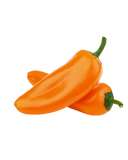
- Jalapeño or serrano peppers: Peppers take longer (60–90 days to fruit) but are very manageable in a larger system. A The Rise Garden 3 gives you the vertical space and multi-tier layout to run peppers alongside faster-growing herbs simultaneously.
- Garlic chives: A fantastic substitute or complement to raw garlic in guacamole. They bring a mild, savory bite without overpowering the avocado.
- Lemon basil: A non-traditional but brilliant addition — its citrusy fragrance pairs beautifully with lime juice in the dip.
NASA's Veggie project, which has been researching plant growth in controlled environments since 2014, has demonstrated that leafy greens and herbs grown under LED lighting in hydroponic systems can achieve growth rates 25–50% faster than soil-grown counterparts in equivalent conditions — a finding that translates directly to the home growing environment.
The Hydroponic Guacamole Recipe (Step-by-Step)
This recipe is designed around ingredients you can grow at home, with avocados sourced from your grocery store. Avocados are tropical trees that require years to fruit and aren't practical for indoor growing — but every other flavor component in this hydroponic avocado dip recipe is completely achievable in your indoor garden.
Ingredients
- 3 ripe Hass avocados
- 3 tablespoons fresh cilantro, finely chopped (homegrown)
- 2 green onions, thinly sliced (homegrown)
- 1 jalapeño, seeded and minced (homegrown, or store-bought)
- 2 tablespoons fresh lime juice (about 1 lime)
- 1 garlic clove, minced — or 1 tablespoon garlic chives, finely chopped (homegrown)
- ½ teaspoon fine sea salt, plus more to taste
- ¼ teaspoon ground cumin (optional but recommended)
- 1 small Roma tomato, seeded and diced (optional)
Instructions
- Harvest your herbs. Snip cilantro, green onions, and jalapeño from your garden. Rinse lightly under cool water and pat dry.
- Prep the avocados. Halve each avocado, remove the pit, and scoop the flesh into a medium bowl. Add lime juice immediately to slow oxidation.
- Mash to your texture. Use a fork or potato masher to reach your preferred consistency — chunky or smooth. Most traditionalists stop at chunky.
- Add aromatics. Fold in the green onion, jalapeño, garlic or garlic chives, and cumin. Stir to combine.
- Add the cilantro last. Fresh cilantro bruises easily and loses its brightness if overmixed. Fold it in gently right before serving.
- Season and taste. Add salt in small increments. Taste after each addition. The goal is balance — you should taste avocado first, then citrus, then herb.
- Serve immediately. Press plastic wrap directly against the surface of any leftover guacamole to minimize air exposure before refrigerating.
Yield: approximately 2 cups | Prep time: 10 minutes | Serving size: 4–6 people
How Do You Set Up an Indoor Garden Specifically for Cooking Herbs?
Setting up a dedicated culinary herb garden indoors is simpler than most people expect, and a hydroponic system makes it even more streamlined. Here's how to approach it from a practical, cook-first perspective.
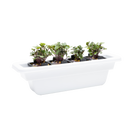
Choose the right system for your space. If your goal is a rotating supply of cilantro, green onions, and one or two other herbs, a compact system like the Personal Garden is ideal. It fits on a countertop, uses full-spectrum LED lighting, and holds enough pods to keep you in fresh herbs year-round. If you want to grow peppers, tomatoes, and herbs simultaneously — essentially a full kitchen garden — the The Rise Loft offers a premium, furniture-grade design with significantly more growing capacity while looking like a natural part of your living space.
Understand nutrient management. Hydroponic plants don't draw nutrients from soil — they absorb them directly from the water solution. That means you control the exact EC (electrical conductivity, a measure of nutrient concentration) and pH of your water. For herbs like cilantro, a target pH of 6.0–6.5 and an EC of 0.8–1.6 mS/cm keeps growth steady without stressing the plant. Rise Gardens nutrients are pre-formulated to take the guesswork out of this process.
Use the right seed pods. Starting from seed is the most rewarding approach. Rise Gardens seed pods include cilantro, basil, green onions, and peppers, and they're pre-seeded into grow media that slots directly into the system with no soil or mess.
Stagger your plantings. Cilantro bolts (goes to seed) relatively quickly once it's mature. Plant a new pod every 2–3 weeks so you always have young, flavorful growth ready to harvest. This succession planting strategy keeps a continuous supply on hand without any gaps.
According to a 2020 survey by the National Gardening Association, 18 million new households in the United States began gardening that year — and culinary herb growing ranked among the top motivations cited, with 68% of respondents saying they grew herbs primarily to improve home cooking.
Does Hydroponically Grown Cilantro Taste Different from Store-Bought?
Yes — and the difference is noticeable enough that once you've made guacamole with freshly harvested homegrown cilantro, the store-bought version feels like a compromise. Here's the science behind why.
Cilantro's signature flavor comes from a group of volatile aldehyde compounds, primarily (E)-2-alkenal aldehydes, which are produced in the plant's leaf tissue. These compounds begin to degrade the moment the herb is cut and exposed to air and light. A bunch of cilantro that was harvested four or five days ago — typical for grocery store product — has already lost a measurable percentage of those aromatics.
Hydroponically grown cilantro harvested minutes before use delivers the full aromatic profile intact. The flavor is brighter, slightly more citrusy, and less flat than older cilantro. In the context of guacamole, where cilantro plays a starring role alongside lime, this freshness directly translates to a more vibrant, layered dip.
There's also a texture benefit. Fresh cilantro leaves are firm and hold their shape when folded into guacamole. Older cilantro tends to be limp and releases excess moisture into the dip, which can make the texture watery over time.
One additional consideration: growing your own means you control what goes on the plant. No pesticide residue, no post-harvest wax coatings, no uncertainty about handling practices. The USDA's Pesticide Data Program has consistently found cilantro to be among the fresh produce items with detectable pesticide residues in commercial samples — a finding that makes the case for homegrown even stronger.
Tips for Getting the Most Flavor Out of Your Hydroponic Herb Garden
Growing the herbs is only half of the equation. How you harvest and handle them matters just as much for flavor.
- Harvest in the morning. Plants accumulate sugars and aromatic compounds overnight. Morning harvests consistently yield more flavorful herbs than evening cuts.
- Cut from the outside in. For cilantro and green onions, harvest the outermost, most mature growth first and leave the central stem and younger leaves to continue developing. This extends the productive life of each plant significantly.
- Don't wash until you're ready to use. Rinsing herbs and then storing them introduces moisture that accelerates wilting. Harvest, then rinse immediately before cooking.
- Pinch cilantro flower buds early. Once cilantro starts to bolt and form flower heads, the leaves become more bitter and less aromatic. Pinch off flower buds as soon as they appear to extend the leafy harvest window by one to two weeks.
- Use the cilantro stems. The stems of fresh cilantro contain just as much flavor as the leaves — sometimes more. Finely mince the lower stems and add them to your guacamole along with the leaves. It's a small change that adds noticeable depth.
Frequently Asked Questions
Can I grow all the ingredients for guacamole hydroponically?
Most of the fresh herb and vegetable components — cilantro, green onions, jalapeños, garlic chives, and even tomatoes — can be grown successfully in an indoor hydroponic garden. Avocados are the exception; they grow on large tropical trees that take 5–13 years to bear fruit and aren't practical for indoor cultivation. For the guacamole recipe above, plan to source your avocados from a store and grow everything else at home.
How long does it take to grow cilantro hydroponically from seed?
Cilantro typically germinates within 7–10 days in a hydroponic system and reaches a harvestable size in approximately 3–4 weeks under full-spectrum LED lighting. Growth speed depends on light duration (aim for 14–16 hours per day), water temperature (ideal range is 65–72°F), and nutrient concentration. Rise Gardens systems are dialed in to hit these parameters automatically, making cilantro one of the easiest and fastest herbs to grow for beginners.
What pH level should I maintain for growing guacamole herbs hydroponically?
Most culinary herbs used in guacamole — cilantro, green onions, basil, and garlic chives — perform best at a water pH between 5.8 and 6.5. This range ensures optimal nutrient absorption; outside of it, plants can experience nutrient lockout even when the water is fully supplemented. Check your reservoir pH every 3–5 days using a digital pH meter and adjust with pH-up or pH-down solution as needed to stay within the target window.
How do I keep my hydroponic cilantro from bolting too quickly?
Cilantro bolts (transitions to flowering and seed production) in response to heat, long light cycles, and plant maturity. To slow bolting, keep your growing environment below 75°F, limit your light cycle to 14 hours per day rather than pushing to 16, and harvest regularly to prevent the plant from reaching full maturity. Planting a new seed pod every 2–3 weeks in a staggered succession schedule is the most reliable way to maintain a continuous supply of young, leafy cilantro without gaps.