Hydroponic herb compound butter roasted chicken thighs are exactly what they sound like: bone-in, skin-on chicken thighs roasted to golden perfection with a hand-rolled herb butter made entirely from fresh herbs you grew yourself indoors. Compound butter — a classic French technique in which softened butter is blended with aromatics, herbs, or other flavorings — transforms an everyday roast chicken into something genuinely memorable. When those herbs come straight from a hydroponic indoor garden, harvested minutes before you cook, the flavor difference is remarkable and completely measurable. Hydroponically grown herbs contain no soil pathogens, grow in a precisely controlled nutrient solution, and are available year-round regardless of season or climate. This recipe and guide will walk you through growing the right herbs, making the butter, and roasting chicken thighs that will become a regular in your household rotation.
Why Hydroponic Herbs Make Better Compound Butter
Fresh herbs lose volatile aromatic compounds — the molecules responsible for scent and flavor — rapidly after harvest. A 2019 study published in the journal Food Chemistry found that fresh basil loses up to 60% of its essential oil content within 24 hours of being cut and stored at room temperature. When you grow herbs hydroponically at home and harvest them directly into your kitchen, you eliminate virtually all of that lag time.
Hydroponics is a method of growing plants without soil, using a water-based nutrient solution to deliver minerals directly to the root zone. Because plants in a hydroponic system receive precisely calibrated levels of nitrogen, phosphorus, potassium, and micronutrients, they often grow faster and more consistently than their soil-grown counterparts. NASA's Veggie project, which has been testing hydroponic plant growth aboard the International Space Station since 2014, demonstrated that controlled-environment hydroponics can produce healthy, edible crops with reliable flavor profiles — evidence that the method works even under the most extreme conditions imaginable.
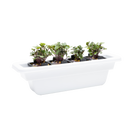
For compound butter specifically, you want herbs with high essential oil density: thyme, rosemary, tarragon, chives, and flat-leaf parsley are the gold standard. All five grow beautifully in a countertop or full-size hydroponic system. If you are just getting started, the Personal Garden is a compact countertop hydroponic garden that fits on a kitchen counter and can comfortably grow four to six herb varieties at once — exactly what you need to keep compound butter ingredients on hand at all times.
Which Herbs Should You Grow for Homegrown Herb Butter Chicken?
The short answer is: the ones you actually like to eat. But for a classic homegrown herb butter chicken roast, this combination produces a deeply savory, aromatic result:
- Fresh thyme — earthy and floral, it pairs naturally with poultry fat and becomes more intense during roasting
- Fresh rosemary — resinous and pine-like, use it sparingly so it does not overpower the other herbs
- Fresh flat-leaf parsley — bright and grassy, it balances the richness of the butter
- Fresh tarragon — anise-forward and slightly sweet, it is a classic French pairing with chicken
- Fresh chives — mild onion flavor that rounds out the profile without sharpness
All of these herbs thrive in hydroponic conditions. Thyme and rosemary prefer slightly lower electrical conductivity (EC) in the nutrient solution — around 1.0 to 1.6 mS/cm — while parsley and chives are comfortable at EC levels between 1.8 and 2.2 mS/cm. EC is the measure of how much dissolved mineral content is in your water; higher EC generally means more nutrients, but too high can stress plants. Rise Gardens nutrients are formulated to keep your herbs in the ideal range without any guesswork.
For gardeners who want to grow all of these simultaneously and have room to expand into lettuces or edible flowers for garnish, The Rise Garden 3 is a full-size indoor hydroponic garden system with three growing levels and enough pod space to run a dedicated herb tier alongside vegetable crops.
How to Make the Hydroponic Herb Compound Butter
This recipe makes enough compound butter for eight chicken thighs with a little left over — freeze the extra wrapped in parchment for your next batch.
Ingredients
- 1 cup (2 sticks / 226g) unsalted butter, room temperature
- 2 tablespoons fresh thyme leaves, stems removed
- 1 tablespoon fresh rosemary, finely minced
- 2 tablespoons fresh flat-leaf parsley, finely chopped
- 1 tablespoon fresh tarragon leaves, roughly chopped
- 2 tablespoons fresh chives, sliced thin
- 4 garlic cloves, minced to a paste with a pinch of salt
- 1 teaspoon lemon zest
- 1 teaspoon kosher salt
- ½ teaspoon freshly cracked black pepper
Method
- Harvest your herbs in the morning when essential oil concentration is at its peak. Wash briefly, spin dry, and let them air dry on a clean towel for 10 minutes — excess water will make your butter grainy.
- In a medium bowl, combine the softened butter with all herbs, garlic paste, lemon zest, salt, and pepper. Use a flexible spatula or wooden spoon to fold and press until every herb is evenly distributed throughout the butter.
- Lay a sheet of plastic wrap or parchment paper on your counter. Spoon the butter onto the sheet in a rough log shape, roll tightly, and twist the ends closed. Refrigerate for at least 1 hour to firm up before using. The compound butter keeps in the refrigerator for up to 5 days and in the freezer for 3 months.
Hydroponic Herb Compound Butter Roasted Chicken Thighs: The Full Recipe
This method uses high heat to render the skin crisp while the herb butter melts under the skin and bastes the meat from the inside out. The USDA recommends cooking poultry to an internal temperature of 165°F (74°C) as measured by a food-safe instant-read thermometer inserted into the thickest part of the meat without touching bone.
Ingredients
- 8 bone-in, skin-on chicken thighs (approximately 4 lbs / 1.8 kg total)
- ½ batch hydroponic herb compound butter (about ½ cup), sliced into rounds
- 1 tablespoon olive oil
- 1 teaspoon kosher salt
- ½ teaspoon black pepper
- ½ lemon, cut into wedges for serving
- Extra fresh herbs from your garden for garnish
Instructions
- Dry the chicken. Pat the chicken thighs completely dry with paper towels. Place them uncovered on a wire rack set over a sheet pan and refrigerate for at least 2 hours, or overnight. This step is non-negotiable for crispy skin — surface moisture is the enemy of browning.
- Prep the butter. Remove the compound butter from the refrigerator 20 minutes before you plan to use it. It should be firm but pliable — cold enough to hold its shape but soft enough to slide under the skin without tearing it.
- Preheat. Set your oven to 425°F (220°C). Place a heavy oven-safe skillet or roasting pan in the oven while it preheats — a hot pan promotes immediate skin crisping.
- Butter the thighs. Gently loosen the skin on each thigh by sliding your finger underneath from the edge, creating a pocket. Slide one round of compound butter (about 1 tablespoon) under the skin of each thigh and press from the outside to spread it evenly. Rub the outside of each thigh with a small amount of olive oil, salt, and pepper.
- Roast. Carefully remove the hot pan from the oven. Place the chicken thighs skin-side down in the hot pan. Roast for 15 minutes, then flip skin-side up. Continue roasting for an additional 20 to 25 minutes until the internal temperature reads 165°F and the skin is deep golden brown.
- Rest and garnish. Transfer the thighs to a cutting board and rest for 5 minutes before serving. Spoon any pan drippings over the top, garnish with fresh herbs directly from your garden, and serve with lemon wedges.
This hydroponic herb roasted poultry technique scales easily — double the batch for a crowd or halve it for a weeknight dinner for two.
Does Growing Herbs Hydroponically at Home Actually Save Money?
This is a fair question, and the numbers are genuinely compelling. A single bunch of fresh thyme at a grocery store averages $2.50 to $3.00 and typically provides one or two uses before it wilts. A continuously producing hydroponic thyme plant in a Rise Gardens system yields harvestable leaves every 7 to 10 days once established. According to the University of Arizona's Controlled Environment Agriculture Center, hydroponic herbs can produce yields 3 to 10 times greater per square foot than field-grown equivalents under optimal indoor growing conditions.
If you cook with fresh herbs even twice a week, a home hydroponic setup pays for itself within a single growing season for most households. Beyond cost, you also eliminate the food waste associated with buying pre-packaged herbs and using only a fraction of the bunch — a problem that, according to the USDA Economic Research Service, contributes to the estimated 30 to 40% of the U.S. food supply that is wasted each year.
For households that want the most functional herb garden with the most design flexibility, The Rise Loft is a premium indoor garden with furniture-grade design that integrates seamlessly into living spaces and dining rooms — so your herb supply is always within arm's reach when you are cooking. You can start with the right herb varieties right away using pre-seeded seed pods, which are ready to drop directly into any Rise Gardens system with no additional prep.
Tips for Getting the Most Flavor from Your Indoor Garden Chicken Recipe
A few technique notes that will make a measurable difference in this indoor garden chicken recipe:
- Harvest herbs at the right time. The concentration of aromatic compounds in most culinary herbs peaks just before the plant flowers. Pinching off any flower buds that form on your thyme or tarragon will keep the plant in a vegetative state and maintain peak flavor.
- Use soft and hard herbs correctly. Rosemary and thyme can go directly under the skin because they hold up to oven heat. Chives and parsley are best used in the compound butter or as a finish garnish — prolonged high heat dulls their brightness.
- Rest the butter log in the freezer for 15 minutes before slicing. Clean, even rounds are easier to work under the skin without tearing it.
- Don't skip the dry brine period. Leaving uncovered chicken in the refrigerator for several hours tightens the skin proteins, draws out surface moisture, and results in a significantly crispier finish than chicken roasted immediately after patting dry.
- Save the pan drippings. The rendered chicken fat infused with melted herb butter left in the roasting pan is exceptionally good spooned over roasted vegetables or stirred into mashed potatoes.
Frequently Asked Questions
Can I use dried herbs instead of fresh hydroponic herbs in compound butter?
Dried herbs are significantly more concentrated than fresh — as a general rule, use one-third the amount of dried herb for every tablespoon of fresh herb called for. However, dried herbs lack the bright, volatile top notes that make freshly harvested hydroponic herbs so impactful in compound butter. The result will still be flavorful but will taste notably earthier and less vibrant. Fresh is strongly preferred for this application.
How far in advance can I make the herb compound butter?
The compound butter keeps refrigerated for up to 5 days and frozen for up to 3 months. For the best flavor, use it within 3 days of making it — that is when the fresh herb aromatics are most pronounced in the butter. Label the log with the date and herb combination so you can track freshness accurately.
What internal temperature should chicken thighs reach to be safe?
The USDA recommends that all poultry, including chicken thighs, reach a minimum internal temperature of 165°F (74°C) as measured with a calibrated food-safe thermometer inserted into the thickest part of the meat, away from the bone. Unlike chicken breasts, thighs contain more collagen and intramuscular fat, which means they remain juicy and tender even when cooked to slightly higher temperatures of 175°F to 185°F — a range many chefs prefer for texture.
Which herbs grow fastest in a hydroponic system for someone who wants to start cooking with them quickly?
Chives and basil are among the fastest-establishing hydroponic herbs, often reaching harvestable size within 3 to 4 weeks from seed under proper grow light conditions. Parsley takes slightly longer — typically 5 to 6 weeks. Rosemary is the slowest of the classic compound butter herbs, sometimes requiring 8 or more weeks before it produces enough growth for regular harvest. Starting a mix of fast and slow varieties at the same time means you will have a staggered, continuous supply.