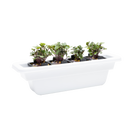
Hydroponic herb compound butter roasted sweet potatoes are exactly what they sound like: deeply caramelized, oven-roasted sweet potatoes finished with a rich, herbaceous butter made entirely from fresh herbs you grew indoors. Compound butter is simply softened butter blended with aromatics — in this case, a generous handful of chives, thyme, rosemary, and parsley pulled straight from your hydroponic garden. The result is a side dish that tastes like it came from a restaurant kitchen, built on ingredients you cultivated on your countertop or in your living room. If you've been looking for a reason to grow more herbs indoors, this recipe is it.
Why Hydroponic Herbs Make the Best Compound Butter
Fresh herbs are the backbone of any great compound butter, and the quality of those herbs matters more than most home cooks realize. Hydroponically grown herbs — meaning plants cultivated in a nutrient-rich water solution rather than soil — consistently outperform store-bought bundles in both flavor intensity and cleanliness. Because hydroponic systems deliver water, oxygen, and nutrients directly to the root zone, plants redirect energy toward leaf production and essential oil development. Those essential oils are exactly what give herbs their aroma and flavor.
According to research from the University of Mississippi's National Center for Natural Products Research, herb essential oil concentrations are directly influenced by growing conditions, including light spectrum, nutrient availability, and water consistency — all factors that a well-managed indoor garden controls precisely. In a soil garden, you're at the mercy of seasonal variation, pests, and inconsistent rainfall. Indoors, you set the parameters.
Hydroponic herbs also arrive at your cutting board without soil residue, pesticide residue, or the wilting that happens when grocery store herbs spend days in transit. You harvest what you need, when you need it, and the plant keeps producing. For this compound butter recipe, that freshness translates directly into a brighter, more complex flavor layered into every bite of roasted sweet potato.
What Herbs Should You Grow for an Indoor Garden Sweet Potato Recipe?
Not every herb plays equally well with sweet potatoes. The natural sweetness and earthy starch of the potato calls for herbs that can hold their own without overpowering — and a few that add a savory counterpoint. Here's a breakdown of the best herbs to grow and use in this recipe:
- Thyme: Earthy, slightly floral, and deeply savory. Thyme is the workhorse of this compound butter. It grows quickly in hydroponic systems and produces dense, flavorful leaves even in low-light conditions.
- Rosemary: Piney and resinous, rosemary adds structural boldness. Use it sparingly — about one teaspoon minced — so it complements rather than dominates.
- Chives: Mild, onion-forward flavor with a clean finish. Chives are one of the fastest-growing herbs in any hydroponic setup and are ready to harvest in as few as 14 days from transplant.
- Flat-leaf parsley: Bright and slightly peppery, parsley balances the richness of the butter and lifts the overall flavor profile.
- Sage (optional): If you want to lean into the autumn flavor of the sweet potato, a small amount of fresh sage adds a nutty, warming dimension that pairs beautifully.
All five of these herbs are available as seed pods for Rise Gardens systems, making it easy to plant a full compound butter herb lineup in a single afternoon. Depending on your household's cooking habits, a four-pod selection of thyme, chives, parsley, and rosemary will keep you stocked through months of weekly harvests.
How to Make Hydroponic Herb Compound Butter Roasted Sweet Potatoes
This recipe serves four as a side dish. Active prep time is about 15 minutes; roasting takes 35 to 40 minutes.
Ingredients
- 4 medium sweet potatoes (about 2 pounds total), scrubbed and halved lengthwise
- 8 tablespoons (1 stick) unsalted butter, softened to room temperature
- 2 tablespoons fresh chives, finely minced
- 1 tablespoon fresh thyme leaves, stripped from stems
- 1 teaspoon fresh rosemary, finely minced
- 2 tablespoons fresh flat-leaf parsley, finely chopped
- 1 teaspoon fresh sage, minced (optional)
- 2 cloves garlic, microplaned or finely minced
- 1 teaspoon flaky sea salt, plus more for finishing
- ½ teaspoon freshly cracked black pepper
- 1 tablespoon olive oil
Make the Compound Butter
- Place the softened butter in a medium bowl. Add all minced herbs, garlic, salt, and pepper.
- Use a fork or rubber spatula to work the herbs thoroughly into the butter until evenly distributed.
- Taste and adjust salt as needed.
- Transfer the butter to a sheet of plastic wrap, roll into a log, and refrigerate for at least 20 minutes. (You can make this up to five days ahead — the flavor deepens over time.)
Roast the Sweet Potatoes
- Preheat your oven to 425°F (220°C). Line a rimmed baking sheet with parchment paper.
- Toss sweet potato halves with olive oil and a pinch of salt. Place cut-side down on the baking sheet.
- Roast for 30 to 35 minutes, until the cut side is deeply caramelized and a knife slides in without resistance.
- Flip the potatoes cut-side up and return to the oven for 5 minutes.
- Remove from the oven and immediately top each half with a generous slice of the compound butter. The residual heat melts it into the flesh.
- Finish with flaky sea salt and extra fresh herbs if desired. Serve immediately.
This herb butter roasted sweet potatoes recipe works equally well as a weeknight side dish or a holiday table centerpiece. The compound butter can also be used on grilled corn, roasted carrots, and crusty bread — so make a double batch while you're at it.
Which Rise Gardens System Works Best for Growing Recipe Herbs?
The right indoor garden for this kind of culinary herb growing depends largely on how much space you have and how much you cook. Rise Gardens offers three systems well-suited to keeping a continuous supply of fresh herbs on hand.
The Personal Garden is a compact countertop hydroponic garden designed for smaller spaces. With nine plant sites, it holds a full rotation of cooking herbs — more than enough chives, thyme, parsley, and rosemary to support weekly compound butter sessions. It fits on a kitchen counter, which means your herbs are within arm's reach when you're cooking.
For households that cook heavily or want the flexibility to grow herbs alongside lettuce, greens, and other vegetables simultaneously, the The Rise Garden 3 offers a full-size indoor hydroponic garden system with multiple growing levels and significantly more plant sites. You can dedicate an entire level to culinary herbs and another to greens or fruiting plants.
If design is as important as function — and for many home cooks, the kitchen aesthetic matters — the The Rise Loft is a premium indoor garden with furniture-grade design that integrates seamlessly into living spaces. Its clean lines and wood finishes make it a conversation piece that also happens to grow the freshest herbs you've ever cooked with.
NASA's Veggie project, which has been studying plant cultivation in controlled environments since 2014, confirmed that optimized indoor growing systems produce consistent, high-quality plant matter across multiple harvest cycles — validating the science behind why indoor hydroponic gardens reliably outperform sporadic outdoor or windowsill herb growing for culinary use.
Are Hydroponic Herbs More Nutritious Than Store-Bought?
This is one of the most common questions home growers ask, and the answer is nuanced but genuinely encouraging. A 2021 review published in the journal Horticulturae found that hydroponically grown herbs frequently contain equal or higher concentrations of key phytochemicals — including flavonoids and phenolic compounds — compared to conventionally grown counterparts, largely due to controlled nutrient delivery and optimized light exposure.
The USDA's FoodData Central database shows that fresh thyme contains approximately 45 mg of vitamin C per 100 grams and over 1,800 mcg of vitamin K — both significantly higher than in dried thyme, which loses much of its nutritional value during the drying process. When you grow and harvest fresh herbs from your indoor garden minutes before using them, you capture those compounds at peak concentration.
Beyond nutrition, there's a practical freshness argument: herbs harvested at home and used the same day retain volatile aromatic compounds that dissipate quickly after cutting. Studies on basil, for instance, show that linalool and eugenol — the compounds responsible for basil's characteristic aroma — decrease measurably within 24 to 48 hours of harvest under refrigeration. Growing your own herbs and using them immediately in recipes like this hydroponic herb recipe closes that gap entirely.
Hydroponic systems also tend to produce herbs free from the heavy metal contamination occasionally found in conventionally grown herbs from certain regions, since the growing medium is inert and the nutrient solution is formulated specifically for food crops.
Tips for Getting the Most Out of Your Herb Harvest
Growing herbs hydroponically is straightforward, but a few practices will help you maximize flavor and yield for recipes like these herb butter roasted sweet potatoes.
- Harvest in the morning: Herb essential oil concentrations are highest in the morning before the plant has used its energy reserves during the day. Even indoors, this timing pattern holds.
- Cut above a node: Always harvest by cutting just above a leaf node rather than stripping the entire stem. This encourages branching and doubles your future yield.
- Don't let herbs flower: Once a herb bolts and flowers (a process called bolting), the leaves turn bitter and production slows. Pinch flower buds as soon as you see them.
- Stagger your plantings: Plant a new pod every three to four weeks so you always have herbs at different growth stages. This prevents feast-or-famine harvests and ensures you're never without fresh material for a compound butter.
- Monitor your EC and pH: EC (electrical conductivity) measures the concentration of dissolved nutrients in your water solution. For most culinary herbs, a target EC of 1.6 to 2.4 mS/cm and a pH of 5.5 to 6.5 produces optimal growth. Rise Gardens systems simplify this with built-in guidance, but knowing the numbers helps you troubleshoot if growth slows.
Frequently Asked Questions
Can I use dried herbs instead of fresh hydroponic herbs in compound butter?
You can, but the flavor difference is significant. Dried herbs have lost most of their volatile aromatic compounds, which means the compound butter will taste flat compared to a version made with fresh herbs. If you must substitute, use one-third the quantity called for — dried herbs are more concentrated by weight — and expect a less vibrant, less nuanced result. Fresh herbs from your indoor garden are genuinely worth the growing time.
How long does hydroponic herb compound butter last in the refrigerator?
Properly wrapped compound butter keeps in the refrigerator for up to two weeks and in the freezer for up to three months. Wrap the log tightly in plastic wrap, then a layer of aluminum foil, and label it with the date. Frozen compound butter can be sliced straight from frozen — just run a sharp knife under hot water first.
What sweet potato varieties work best for this herb butter roasted sweet potatoes recipe?
Garnet and Jewel sweet potatoes — the classic orange-fleshed varieties found in most grocery stores — caramelize beautifully at high heat and pair well with savory herb butter. Japanese purple sweet potatoes are a striking visual alternative with a drier, nuttier flesh that holds its shape particularly well during roasting. Any variety works; just adjust roasting time slightly based on size and density.
How many herb plants do I need to keep a consistent supply for weekly cooking?
For regular compound butter production, plan on two to three plants each of thyme and chives, and one plant each of rosemary and parsley. Chives and parsley regrow quickly after harvest, while rosemary grows more slowly. With a Rise Gardens system running continuously, this lineup will provide enough fresh herb material for at least one to two compound butter batches per week without depleting your plants.