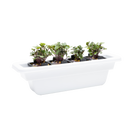
Hydroponic herb compound butter roasted fish tacos bring together two of the most satisfying things a home gardener can do: grow vibrant, fresh herbs year-round and turn them into a restaurant-worthy meal. Compound butter — a mixture of softened butter blended with fresh herbs, citrus, and aromatics — becomes the secret weapon here, basting the fish as it roasts and building a depth of flavor that store-bought seasoning packets simply cannot replicate. If you have a hydroponic indoor garden on your countertop or in your living room, you are already a few snips away from the most flavorful fish tacos you have ever made at home.
Why Homegrown Hydroponic Herbs Make Better Fish Tacos
Flavor in fresh herbs comes down to volatile aromatic compounds — the essential oils locked inside leaf cells that begin degrading the moment the herb is harvested and exposed to air, light, and temperature fluctuation. Supermarket herbs travel an average of 1,500 miles from farm to produce aisle, according to the USDA Agricultural Marketing Service, and much of that aromatic intensity is lost along the way. When you clip cilantro, parsley, or chives directly from a hydroponic system minutes before cooking, those oils are fully intact.
Hydroponics is a method of growing plants in a nutrient-rich water solution rather than soil. Because roots have direct, constant access to nutrients and water, hydroponic plants often grow 30 to 50 percent faster than their soil-grown counterparts, according to research published by the University of Arizona's Controlled Environment Agriculture Center. That speed means you are harvesting more often, which means your herbs are almost always at peak freshness when you reach for them.
For indoor garden fish tacos, the herbs that make the biggest impact are cilantro, flat-leaf parsley, chives, and dill. All four thrive in hydroponic systems, require moderate light, and respond beautifully to frequent harvesting — cutting them actually encourages bushier, more productive growth.
Building Your Hydroponic Herb Compound Butter
Compound butter is nothing more than room-temperature unsalted butter worked together with fresh herbs, acid, salt, and any additional aromatics you want to feature. The technique is forgiving, infinitely customizable, and freezes well — meaning you can make a large batch and keep it on hand for weeknight cooking all month long.
Ingredients for the Herb Compound Butter:
- 8 tablespoons (1 stick) unsalted butter, softened to room temperature
- 3 tablespoons fresh hydroponic cilantro, finely chopped
- 2 tablespoons fresh hydroponic flat-leaf parsley, finely chopped
- 1 tablespoon fresh hydroponic chives, minced
- 1 teaspoon fresh hydroponic dill (optional but excellent)
- Zest of 1 lime
- 1 tablespoon fresh lime juice
- 1 small garlic clove, grated on a microplane
- ½ teaspoon kosher salt
- ¼ teaspoon smoked paprika
- Pinch of cayenne
Method: Using a fork or a rubber spatula, mash and fold all ingredients into the softened butter until fully incorporated. Taste and adjust salt. Lay the compound butter onto a sheet of plastic wrap, roll it into a log shape, twist the ends tight, and refrigerate for at least 30 minutes before using. It keeps refrigerated for 5 days and frozen for up to 3 months.
The lime zest and juice in this formula are the backbone of what makes this a true hydroponic cilantro lime recipe — bright, citrus-forward, and bold enough to stand up to roasted fish without overwhelming it.
How to Roast the Fish and Build the Tacos
The best fish for this preparation is one with firm, flaky flesh that can hold up to dry heat. Cod, halibut, mahi-mahi, and tilapia all work well. Avoid very thin fillets, which can overcook before the butter has a chance to do its work.
Ingredients for the Roasted Fish:
- 1.5 pounds firm white fish fillets, patted completely dry
- 3 tablespoons of your prepared herb compound butter, sliced into pats
- Salt and freshly cracked black pepper
- 1 teaspoon olive oil
Method: Preheat your oven to 425°F. Line a sheet pan with parchment and lightly brush it with olive oil. Season the fillets on both sides with salt and pepper, then place them on the prepared pan. Lay pats of the herb compound butter directly on top of each fillet. Roast for 12 to 15 minutes depending on thickness, until the butter is melted and bubbling, the edges of the fish are golden, and the flesh flakes easily with a fork. Pull the fish from the oven and let it rest for 2 minutes before breaking it into large, rustic pieces for taco filling.
Ingredients for Assembly (makes 8 tacos):
- 8 small corn or flour tortillas, warmed
- Roasted herb butter fish (from above)
- Homegrown herb taco sauce (recipe below)
- Thinly sliced red cabbage
- Sliced avocado
- Fresh hydroponic cilantro leaves for garnish
- Lime wedges for serving
What Is the Best Homegrown Herb Taco Sauce for Fish?
A great homegrown herb taco sauce does double duty — it adds creaminess to balance the richness of the compound butter and delivers a second hit of fresh herb flavor that reinforces everything you grew in your garden. This sauce takes under five minutes to blend and tastes genuinely different depending on which herbs you pull fresh that day, which makes it endlessly interesting to tweak over time.
Ingredients:
- ½ cup sour cream or plain Greek yogurt
- 2 tablespoons mayonnaise
- ½ cup fresh hydroponic cilantro, packed (stems and leaves)
- 2 tablespoons fresh hydroponic chives
- 1 tablespoon fresh lime juice
- 1 small jalapeño, seeded (or leave seeds in for heat)
- 1 garlic clove
- ¼ teaspoon cumin
- Salt to taste
- 2–3 tablespoons water to thin as needed
Method: Combine all ingredients in a blender or food processor. Blend until smooth and vibrant green. Taste, adjust salt and lime, and thin with water until the sauce coats a spoon but pours easily. Refrigerate until ready to use — it keeps for up to 4 days and the flavor actually deepens overnight as the garlic and herbs meld together.
This hydroponic cilantro lime recipe approach — using the whole cilantro plant, stems included — extracts significantly more flavor than using leaves alone, and in a hydroponic system where you are harvesting frequently, there is never a shortage.
Which Rise Gardens System Is Best for Growing Taco Herbs Indoors?
The answer depends on how much counter space you have and how many herbs you want to keep in rotation at once. For a household that cooks frequently and wants to maintain five to eight herb varieties simultaneously, the The Rise Garden 3 is the most capable option — a full-size indoor hydroponic garden system with multiple growing levels that can support a dedicated herb row alongside leafy greens and other produce. It uses a recirculating water system that maintains consistent nutrient delivery to every plant, and its built-in LED spectrum is calibrated for optimal photosynthesis in leafy herbs.
If your kitchen or living space is more limited, the Personal Garden is a compact countertop hydroponic garden that holds up to 12 plant pods — more than enough for a rotating supply of cilantro, parsley, chives, and dill. It is genuinely small enough to sit next to a coffee maker without dominating the counter, and it connects to the Rise Gardens app for automated light scheduling and grow reminders.
For those who want to merge interior design with serious growing capability, The Rise Loft is a premium indoor garden built with furniture-grade design in mind. It functions as a statement piece in a dining room or open kitchen while running the same proven hydroponic system underneath. Growing herbs in a space where you also entertain and cook creates a genuinely different relationship with your food — guests notice it immediately.
Whichever system you choose, start your cilantro, parsley, chives, and dill using Rise Gardens seed pods, which are pre-seeded and ready to drop directly into your garden tray. NASA's Veggie project — the space agency's ongoing research into growing food in microgravity — has demonstrated that leafy crops including herbs grow reliably and nutritiously in controlled hydroponic environments, validating what home hydroponic growers experience every day at the countertop level.
Tips for Getting the Most Herb Yield from Your Indoor Garden
Growing herbs hydroponically is straightforward, but a few targeted practices will significantly increase your harvest volume and quality — especially when you are cooking recipes that call for large quantities of fresh herbs at once.
Harvest by trimming, not stripping. When you cut cilantro or parsley, remove no more than one-third of the plant at a time. This keeps the root system actively feeding remaining growth and triggers the plant to produce more lateral shoots. Over four to six weeks of regular harvesting, a single cilantro pod can yield substantially more than a full bunch from the grocery store.
Monitor your nutrient solution regularly. Hydroponic systems work best when the electrical conductivity (EC) — a measure of nutrient concentration in the water — stays within the recommended range for herbs, typically 0.8 to 1.6 millisiemens per centimeter (mS/cm). Most Rise Gardens systems display water level alerts, but checking EC periodically with an inexpensive meter ensures your plants are never underfed or overfed. pH, a measure of acidity or alkalinity on a 0–14 scale, should stay between 5.5 and 6.5 for most herbs.
Stagger your plantings. Rather than planting all your cilantro pods at once, start new pods every two to three weeks. Cilantro in particular is a fast-bolting herb — once it flowers and goes to seed, leaf production drops off sharply. Staggered planting means you always have young, actively growing plants ready to replace the ones that are winding down.
Use the right light duration. Most culinary herbs need 14 to 16 hours of light per day in a hydroponic setting. Rise Gardens LED grow lights are programmed for this range, but if you ever adjust the schedule manually, staying within that window prevents leggy, weak growth and keeps herb flavor concentration high.
Frequently Asked Questions
Can I use dried herbs instead of fresh hydroponic herbs in the compound butter?
You can, but the result will be noticeably different. Dried herbs have lost most of their volatile aromatic oils, which means the compound butter will lack the bright, grassy freshness that makes this recipe distinctive. If fresh herbs are unavailable, use one-third the amount of dried (since dried herbs are more concentrated by weight), but plan to grow your own hydroponically for future batches — the flavor difference is significant enough to change the dish entirely.
What fish works best for herb butter roasted fish tacos?
Firm, white-fleshed fish performs best because it holds together during roasting and does not become mushy under the melting butter. Cod, halibut, mahi-mahi, and striped bass are all excellent choices. Tilapia works in a pinch and is widely available, though its milder flavor means the herb butter becomes even more important as the primary flavor driver. Avoid thin sole or flounder fillets, which will overcook before the butter renders properly.
How long does it take to grow enough cilantro hydroponically for this recipe?
In a Rise Gardens hydroponic system, cilantro is typically ready for its first harvest in 3 to 4 weeks from planting a seed pod. A single mature plant can yield enough leaves for one to two recipes per week with regular trimming. Starting two to three cilantro pods simultaneously gives you a continuous, reliable supply that easily covers the amounts called for in both the compound butter and the homegrown herb taco sauce in this recipe.
Is hydroponic cilantro nutritionally different from soil-grown cilantro?
Research from the University of Arizona's Controlled Environment Agriculture Center and other institutions has found that hydroponically grown herbs can be nutritionally comparable to or superior to soil-grown varieties when the nutrient solution is properly formulated and plants are harvested at peak maturity. Because hydroponic systems allow precise control over nutrient delivery — including key minerals like calcium, magnesium, and potassium — plants rarely experience the nutrient deficiencies that affect outdoor or conventionally farmed crops. The practical takeaway is that fresh hydroponic cilantro from your own garden is at minimum as nutritious as what you buy at the store, and often fresher at the time of consumption.