This hydroponic herb compound butter roasted lamb recipe transforms a classic showstopper dinner into something truly personal — because every herb in that golden, fragrant butter came from your own indoor garden. A hydroponic herb compound butter is exactly what it sounds like: a richly flavored, herb-loaded softened butter made from fresh herbs grown without soil, using a water-based nutrient delivery system, then blended and applied to a rack of lamb before roasting. The result is a crust that's herbaceous, crispy, and deeply savory in a way that dried herbs simply cannot replicate. If you've been growing rosemary, thyme, parsley, or chives under your grow lights and wondering what to make with them, this is the recipe you've been waiting for.
Why Fresh Homegrown Herbs Make a Better Lamb Marinade
There's a real, measurable difference between fresh herbs and dried ones — and it matters most in a recipe like this. Fresh herbs contain volatile aromatic compounds, primarily terpenes and terpenoids, that begin degrading the moment a plant is harvested. Studies have shown that fresh herbs can contain up to 10 times more aromatic essential oil content than their dried counterparts, which is why a tablespoon of fresh rosemary delivers a completely different sensory experience than a teaspoon of the dried version.
When you grow herbs hydroponically indoors, you get to harvest them at peak aromatic potency — typically just before or right as they begin to flower. At that stage, the concentration of flavor compounds in the leaves is at its highest. A homegrown herb lamb marinade built on herbs you've cut that same morning is as fresh as it gets, and your dinner guests will notice.
Beyond flavor, hydroponically grown herbs have practical advantages. Because they grow in a controlled indoor environment, they're free from pesticide exposure and soil-borne contaminants. According to the USDA National Organic Program, pesticide residue is one of the most common consumer concerns around fresh produce — indoor hydroponic growing sidesteps this entirely when you manage your own system.
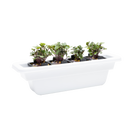
If you're growing on a countertop, the Personal Garden from Rise Gardens is compact enough to sit on a kitchen island and can support up to 12 herb pods at once — enough to keep a continuous rotation of rosemary, thyme, parsley, mint, and oregano available year-round.
What Herbs Grow Best Hydroponically for a Lamb Recipe?
Not every herb is equal when it comes to lamb. The classic pairing leans on bold, resinous herbs that can stand up to the richness of the meat. Here's what to grow and why each one earns its place in this recipe:
- Rosemary: The cornerstone of herb roasted rack of lamb. Its pine-like, camphor-forward aroma cuts through the fat of the lamb perfectly. Rosemary grows prolifically in hydroponic systems and thrives under full-spectrum LED grow lights.
- Thyme: Earthy and slightly floral, thyme adds depth to the compound butter. It's one of the fastest-growing herbs hydroponically, often ready to harvest within 3–4 weeks from seed pods.
- Flat-Leaf Parsley: Adds bright, grassy freshness that balances the richness of the butter and lamb. Parsley is a hydroponic favorite because it grows in cool conditions and doesn't bolt as quickly as in outdoor gardens.
- Chives: Mild allium flavor that ties everything together. Chives regrow quickly after cutting, making them ideal for ongoing harvests.
- Mint (optional): A small amount of spearmint or peppermint in the compound butter nods to the traditional mint-and-lamb pairing without overpowering the other herbs.
NASA's Veggie Project, which has been researching plant growth in controlled environments since the early 2000s, confirmed that leafy herbs including basil, lettuce, and similar crops grow successfully under LED lighting with proper nutrient management — the same principles that power Rise Gardens systems here on Earth.
For a household that cooks lamb regularly or entertains often, the The Rise Garden 3 is a full-size, three-tier system that lets you grow 36 plants simultaneously across multiple herb varieties, so you're never short on what you need for a big dinner.
Hydroponic Herb Compound Butter Roasted Lamb Recipe
This recipe serves 4 and uses a frenched rack of lamb — a presentation cut where the rib bones are exposed and cleaned, creating one of the most visually impressive dishes you can bring to a table.
Ingredients
For the herb compound butter:
- 1 stick (8 tablespoons) unsalted butter, softened to room temperature
- 2 tablespoons fresh rosemary, finely minced (from your indoor garden)
- 1 tablespoon fresh thyme leaves, stripped from stems
- 2 tablespoons flat-leaf parsley, finely chopped
- 1 tablespoon fresh chives, minced
- 4 cloves garlic, minced or pressed
- 1 teaspoon lemon zest
- 1 teaspoon Dijon mustard
- 1 teaspoon kosher salt
- ½ teaspoon freshly cracked black pepper
For the lamb:
- 1 frenched rack of lamb (8 ribs, approximately 1.5–2 lbs)
- 1 tablespoon olive oil
- Salt and pepper for initial seasoning
Instructions
Step 1 — Make the compound butter. In a medium bowl, combine the softened butter with all herb, garlic, lemon zest, mustard, salt, and pepper. Mix thoroughly until the herbs are evenly distributed throughout the butter. Lay out a sheet of plastic wrap, spoon the butter into a log shape, roll it tightly, and refrigerate for at least 1 hour (up to 5 days in advance, or freeze for up to 2 months).
Step 2 — Prep the lamb. Remove the rack of lamb from the refrigerator 45 minutes before cooking to allow it to come up to room temperature. This ensures even cooking from edge to center. Pat the surface completely dry with paper towels — moisture is the enemy of a good sear. Season all surfaces generously with salt and pepper.
Step 3 — Sear. Preheat your oven to 425°F (218°C). Heat a cast-iron or oven-safe skillet over high heat until smoking. Add olive oil, then sear the lamb fat-side down for 2–3 minutes until deeply golden brown. Flip and sear the other side for 1 minute. Remove from heat.
Step 4 — Apply the compound butter. Slice 3–4 thick rounds from the compound butter log. Press them firmly onto the fat cap of the lamb, covering the top surface evenly.
Step 5 — Roast. Transfer the skillet directly to the oven (or move the lamb to a roasting rack set in a sheet pan). Roast at 425°F for 15–20 minutes, until an instant-read thermometer inserted into the thickest part of the meat reads 130°F for medium-rare. The USDA recommends a minimum internal temperature of 145°F with a 3-minute rest for whole muscle lamb cuts — for a rack of lamb, most chefs target 130–135°F before resting, knowing the temperature will rise 5–7 degrees as it rests.
Step 6 — Rest and serve. Tent the lamb loosely with foil and rest for 10 minutes before slicing between the ribs into individual chops. Serve with any pan juices drizzled over the top.
How Do You Grow Enough Herbs Indoors for a Full Dinner Recipe?
This is one of the most practical questions home cooks ask when they first start growing indoors. The good news is that for a recipe like this indoor garden lamb recipe, the total fresh herb volume needed is modest — about ⅓ cup of mixed herbs total for the compound butter — and a single well-maintained hydroponic garden can supply that from just 3–4 pods.
Hydroponic herbs grow significantly faster than soil-grown herbs because nutrients are delivered directly to the root zone in water, eliminating the energy plants normally spend searching for nutrients through soil. Research from the University of Arizona's Controlled Environment Agriculture Center has shown that hydroponic basil (a comparable leafy herb) can achieve harvest-ready growth in as little as 21 days — compared to 60–75 days in outdoor soil conditions.
To keep a continuous supply, stagger your plantings by 2 weeks. Start a new rosemary or thyme pod every 2 weeks, and you'll always have at least one plant at peak harvest stage. Use the trim-and-regrow method: cut no more than one-third of any herb plant at a time, which encourages bushier, more productive regrowth.
Proper nutrient management is also critical for flavor-dense herbs. Maintaining the correct EC (electrical conductivity — a measure of nutrient concentration in water) between 1.6 and 2.2 mS/cm for most culinary herbs produces leaves with the highest aromatic oil content. Rise Gardens nutrients are formulated specifically to keep your plants in this optimal range without guesswork.
For a kitchen designed around both cooking and growing, The Rise Loft is a furniture-grade indoor garden built to live beautifully in a dining room or open kitchen — so your herb supply is literally steps from your cutting board.
Tips for Making the Perfect Herb Roasted Rack of Lamb
Even with the best compound butter, a few technique details separate a good result from an outstanding one:
- Dry the surface completely. Moisture prevents browning. The Maillard reaction — the chemical process responsible for that golden, deeply flavored crust — only occurs above 280°F (138°C), and surface moisture keeps the meat steaming rather than browning until it evaporates.
- Don't skip the sear. The compound butter applied to the top creates a crust during roasting, but the sides and bottom need contact heat from the pan to develop full flavor.
- Use a thermometer, not a timer. Rack of lamb varies in thickness, and oven temperatures vary between units. A reliable instant-read thermometer is the only accurate way to hit your target doneness.
- Make extra compound butter. Herb compound butter freezes beautifully for up to 2 months. Use the extra on roasted vegetables, grilled bread, or pasta.
- Rest properly. Skipping the rest period causes juices to run out when you cut the meat. A 10-minute rest at room temperature redistributes those juices back into the muscle fibers.
Frequently Asked Questions
Can I use hydroponically grown herbs in a lamb marinade the same way I'd use store-bought herbs?
Yes — and the results are typically better. Hydroponically grown herbs are harvested at peak freshness with higher concentrations of volatile aromatic compounds than herbs that have been shipped, stored, and displayed in a grocery store. Use the same volume measurements called for in any standard recipe; the flavor may be more intense, so taste as you go.
What is the best internal temperature for a rack of lamb?
The USDA sets the minimum safe internal temperature for whole muscle lamb at 145°F followed by a 3-minute rest. Most culinary professionals target 130–135°F (medium-rare) for rack of lamb because the residual heat during the 10-minute resting period carries the temperature up another 5–7 degrees, landing in the 135–140°F range — still safe and far more tender and flavorful than well-done lamb.
How long does herb compound butter last in the refrigerator?
Tightly wrapped herb compound butter stays fresh in the refrigerator for up to 5 days. For longer storage, wrap the log in plastic, then in foil, and freeze for up to 2 months. Slice off rounds directly from the frozen log as needed — it thaws quickly at room temperature in about 15 minutes.
Which herbs grow fastest hydroponically for cooking?
Chives, basil, and thyme are among the fastest-growing culinary herbs in a hydroponic system, often reaching harvest size in 21–28 days from germination. Rosemary grows more slowly, typically taking 6–8 weeks to produce a harvestable amount, but it's a perennial plant that continues producing for years once established. Starting rosemary early and supplementing with faster herbs like thyme and parsley ensures you always have a complete herb profile available.