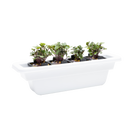
This hydroponic herb compound butter roasted squash recipe is exactly what happens when your indoor garden earns its place on the dinner table. Compound butter — a mixture of softened butter blended with fresh herbs, aromatics, and seasonings — transforms a simple roasted butternut squash into something genuinely memorable. When those herbs come straight from a hydroponic system growing in your kitchen or living room, the flavor is even more vibrant. Hydroponically grown herbs consistently produce higher concentrations of essential oils than their soil-grown counterparts, and that difference shows up immediately when you taste the finished dish.
Why Hydroponic Herbs Make the Best Compound Butter
Compound butter is only as good as the herbs you put into it. Fresh thyme that sat in a plastic clamshell for five days at the grocery store simply cannot compete with a sprig you snipped 20 minutes before cooking. Hydroponic gardening — the practice of growing plants in a nutrient-rich water solution rather than soil — gives you that kind of immediacy every single day.
According to research published through the USDA Agricultural Research Service, hydroponically grown basil can contain up to 20% more volatile aromatic compounds compared to field-grown basil under controlled comparisons. Those volatile compounds are exactly what make compound butter taste complex and layered rather than flat.
For this recipe, you'll want a combination of herbs that complement the natural sweetness of butternut squash. The ideal blend includes:
- Fresh thyme — earthy and slightly floral
- Fresh sage — robust, slightly peppery, a classic with squash
- Fresh rosemary — piney and aromatic; use sparingly
- Fresh flat-leaf parsley — bright and grassy to balance the richer herbs
- Chives — mild onion note that rounds out the butter
All five of these herbs grow beautifully in a hydroponic system year-round. If you're just starting out, the Personal Garden — Rise Gardens' compact countertop hydroponic garden — holds up to 12 pods and fits on a kitchen counter, putting your herb supply about three feet from your cutting board.
What You'll Need: Ingredients and Equipment
This homegrown herb roasted squash recipe is built for real weeknight cooking. The compound butter can be made up to a week in advance and stored in the refrigerator, or frozen for up to three months, which means your Sunday harvest can power dinner all week long.
For the Herb Compound Butter
- 1 stick (8 tablespoons) unsalted butter, room temperature
- 1 tablespoon fresh thyme leaves, stems removed
- 1 tablespoon fresh sage, finely chopped
- 1 teaspoon fresh rosemary, very finely minced
- 2 tablespoons fresh flat-leaf parsley, finely chopped
- 1 tablespoon fresh chives, thinly sliced
- 1 small garlic clove, minced to a paste with a pinch of salt
- ½ teaspoon lemon zest
- ¼ teaspoon freshly cracked black pepper
- ½ teaspoon flaky sea salt
For the Roasted Squash
- 1 medium butternut squash (approximately 2.5 to 3 lbs), peeled, seeded, and cut into 1-inch cubes
- 3 tablespoons of the prepared herb compound butter
- 1 tablespoon olive oil
- Salt and pepper to taste
- Optional: 1 tablespoon maple syrup for extra caramelization
- Optional garnish: extra chives, toasted pepitas, shaved Parmesan
Equipment
- Large rimmed baking sheet
- Parchment paper
- Stand mixer or food processor (or a sturdy bowl and fork)
- Plastic wrap or parchment for rolling the butter log
Step-by-Step: How to Make Hydroponic Herb Compound Butter Roasted Squash
This indoor garden butternut squash recipe comes together in about 45 minutes, with most of that time being hands-off roasting.
Step 1: Make the Compound Butter
In a stand mixer fitted with the paddle attachment, or using a food processor, combine the room-temperature butter with all the prepared herbs, garlic paste, lemon zest, pepper, and salt. Mix on medium speed for about 60 seconds until everything is fully incorporated and the butter has taken on a pale green color from the herbs.
Taste and adjust seasoning. Turn the butter out onto a sheet of plastic wrap or parchment paper. Roll it into a log shape approximately 1.5 inches in diameter, twisting the ends to seal. Refrigerate for at least 30 minutes before using, or freeze for later. The butter keeps in the refrigerator for up to 7 days.
Step 2: Prep and Roast the Squash
Preheat your oven to 425°F (220°C). High heat is essential here — it drives off moisture quickly and promotes the Maillard reaction, the browning process that creates deep, complex flavor. Line a large rimmed baking sheet with parchment paper.
In a large bowl, toss the cubed squash with olive oil, salt, and pepper. Spread in a single layer on the baking sheet, making sure the pieces are not crowded. Crowded squash steams instead of roasts, and you'll lose the caramelization that makes this dish special.
Roast for 20 minutes, then remove the pan from the oven. Cut 3 tablespoons of compound butter into small pieces and scatter over the hot squash. If using maple syrup, drizzle it on now. Return to the oven for another 10 to 15 minutes, until the squash is fork-tender and the edges are deeply golden and slightly crispy.
Step 3: Finish and Serve
Transfer to a serving platter while still hot. The residual butter will form a glossy, herb-flecked coating over every piece of squash. Garnish with freshly sliced chives, toasted pepitas for crunch, and a few shavings of Parmesan if you like. Serve immediately as a side dish, or let it cool and toss into grain bowls, pasta, or salads throughout the week.
How Do You Grow the Right Herbs for This Recipe Hydroponically?
Growing the five herbs in this recipe — thyme, sage, rosemary, parsley, and chives — is straightforward in a hydroponic system, but each has slightly different needs worth understanding before you plant.
pH range matters. pH is a measure of acidity or alkalinity on a scale of 0 to 14, with 7 being neutral. Most culinary herbs thrive between pH 5.5 and 6.5 in a hydroponic system. Keeping your nutrient solution within this window ensures your plants can absorb the nutrients available in the water. Outside this range, certain minerals become chemically unavailable even when they're physically present — a phenomenon called nutrient lockout.
Light requirements vary. Sage and rosemary are Mediterranean herbs that want intense light — aim for 14 to 16 hours of full-spectrum LED daily. Parsley and chives are more tolerant of shorter days and do well with 12 to 14 hours. All Rise Gardens systems come with built-in full-spectrum LED lighting on automatic timers, which removes the guesswork entirely.
The The Rise Garden 3 — Rise Gardens' full-size indoor hydroponic garden system — gives you three growing tiers and space for up to 36 pods simultaneously. That's more than enough to keep a dedicated herb tier stocked year-round while also growing leafy greens and other vegetables on the other levels. For households that cook with fresh herbs regularly, having that kind of continuous supply changes the way you approach a recipe like this one.
According to the NASA Veggie Project, which has studied plant growth in controlled environments since the early 2000s, LED light at specific wavelengths — particularly red (around 630 nm) and blue (around 450 nm) — drives the most efficient photosynthesis in leafy crops and herbs. Rise Gardens' LED panels are designed around this research, delivering the spectrum plants actually use rather than wasting energy on light plants cannot absorb.
EC, or electrical conductivity, is another number worth monitoring. EC measures the concentration of dissolved nutrients in your water. Most herbs prefer an EC between 1.0 and 1.6 mS/cm. Too low and plants grow slowly; too high and you risk burning roots. Rise Gardens' app tracks these values and guides you through adjustments, so you don't need a chemistry background to grow successfully.
Can You Grow Butternut Squash Indoors Hydroponically?
This is one of the most common questions from gardeners excited about hydroponic herb butter squash recipes — can the squash itself come from an indoor garden? The honest answer is: it's ambitious but possible under the right conditions.
Butternut squash is a vining crop that requires significant vertical or horizontal space, strong light intensity, and hand-pollination indoors (since there are no insects to do the work). Bush varieties like Butterscotch or Honey Nut squash are far more manageable in a controlled indoor environment, topping out at 2 to 3 feet rather than the 10-foot sprawl of standard butternut vines.
For most home growers, sourcing the squash from a local farmers' market or grocery store while growing the herbs hydroponically represents the most practical approach. The herbs are where the hydroponic advantage is most dramatic and most delicious. That said, if you want to attempt full indoor squash production, the The Rise Loft — Rise Gardens' premium indoor garden with furniture-grade design — provides the dedicated growing space and structural support that an ambitious project like squash cultivation demands.
A 2022 analysis from the University of Arizona Controlled Environment Agriculture Center found that hydroponic production systems use approximately 90% less water than conventional field agriculture for equivalent yields of comparable crops. Even if you're only growing herbs hydroponically, you're participating in a significantly more resource-efficient food system.
Variations and Serving Ideas for Your Homegrown Herb Roasted Squash
Once you have compound butter in your refrigerator, the applications extend well beyond this single homegrown herb roasted squash recipe. Here are several directions worth exploring:
- Pasta finish: Toss a tablespoon of herb butter into freshly drained pasta with a splash of pasta water. Add the roasted squash cubes and a handful of arugula grown in your hydroponic garden. The butter emulsifies with the starchy water to create a silky sauce.
- Crostini topping: Spread compound butter on toasted baguette slices, top with a piece of roasted squash, and finish with a drizzle of honey and cracked pepper. An elegant appetizer that assembles in minutes.
- Grain bowl base: Spoon roasted squash over farro or quinoa. Add a soft-poached egg and a squeeze of lemon. Weeknight dinner, done.
- Compound butter on protein: The leftover herb butter is exceptional on roasted chicken, pan-seared salmon, or grilled steak. Make a double batch and keep a log in the freezer.
- Herb variations: Swap the sage-thyme blend for a Mediterranean profile using oregano, marjoram, and basil from your indoor garden. Or go in an Asian-inspired direction with Thai basil, cilantro, and a touch of ginger.
The beauty of having seed pods ready to plant at any time is that you can rotate your herb lineup seasonally, keeping whatever you're cooking with most right at the growing stage. When thyme runs low after a heavy week of cooking, you plant two more pods and harvest again in about three weeks.
Frequently Asked Questions
How long does homemade herb compound butter last?
Herb compound butter stored in an airtight container or tightly wrapped in plastic wrap will last up to 7 days in the refrigerator. For longer storage, roll it into a log, wrap it well in plastic and then foil, and freeze for up to 3 months. Slice off what you need directly from the frozen log without needing to thaw the entire batch.
Which hydroponic herbs grow fastest for cooking?
Chives and basil are among the fastest hydroponic herbs, reaching harvestable size in as little as 21 to 28 days from germination. Parsley takes closer to 30 to 40 days. Thyme, sage, and rosemary are slower-growing perennial herbs that typically reach full harvest size in 45 to 60 days, but they continue producing for many months once established, making them excellent long-term investments in your indoor garden.
Can I make this roasted squash recipe dairy-free?
Yes. High-quality vegan butter made from plant oils works well as a direct substitute in compound butter recipes. Look for a brand with a high fat content (70% or above) for the best texture and flavor. The fresh herbs from your hydroponic garden carry most of the flavor, so the substitution is largely seamless.
What is the best pH level for growing culinary herbs hydroponically?
Most culinary herbs — including thyme, sage, rosemary, parsley, and chives — thrive with a nutrient solution pH between 5.5 and 6.5. This slightly acidic range keeps all the essential macro and micronutrients in a form that plant roots can absorb efficiently. Testing your system's pH two to three times per week and adjusting as needed is one of the most reliable ways to ensure healthy, flavorful herb growth.