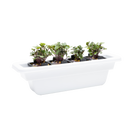
This hydroponic herb compound butter roasted zucchini recipe transforms a simple summer vegetable into something genuinely special — and it starts long before you turn on the oven. Compound butter is a classic culinary technique where softened butter is blended with fresh herbs, aromatics, and seasonings, then used to baste, roast, or finish dishes with layered, concentrated flavor. When those herbs come straight from your own indoor hydroponic garden, the difference in freshness and intensity is something you can taste in every bite. Whether you're cooking for a weeknight dinner or a weekend gathering, this recipe gives you a reliable, impressive result that makes your homegrown harvest shine.
Why Hydroponic Herbs Make the Best Compound Butter
Not all herbs are created equal at the dinner table. Store-bought herbs are often harvested days — sometimes weeks — before they reach your grocery store shelf, which means volatile aromatic compounds like linalool, terpenes, and essential oils have already begun to degrade. Fresh herbs harvested moments before cooking are measurably more potent and vibrant.
Hydroponic herbs grow in a controlled, soil-free environment where plant roots are bathed directly in a nutrient-rich water solution. This method allows plants to absorb exactly what they need, when they need it, without competing for resources in soil. According to a University of Arizona study on controlled environment agriculture, hydroponically grown lettuce and herbs can produce yields up to 11 times greater per square foot than traditional field growing — and they do it year-round, indoors, regardless of season.
For compound butter specifically, you want herbs that are fragrant, tender, and harvested at peak flavor. That's exactly what a well-maintained indoor garden delivers on demand. Chives, thyme, rosemary, parsley, and basil are all excellent candidates, and all of them grow reliably indoors with the right setup.
If you're just getting started, the Personal Garden is a compact countertop hydroponic system that fits easily in a kitchen or on a windowsill and can grow up to 10 pods at once — more than enough to keep your herb supply stocked for recipes like this one year-round.
What You Need: Ingredients for Compound Butter Zucchini
This compound butter zucchini recipe is designed to be approachable but flexible. You can swap herbs based on what's thriving in your garden at any given time.
For the herb compound butter:
- 1 stick (8 tablespoons) unsalted butter, softened to room temperature
- 2 tablespoons fresh chives, finely minced
- 1 tablespoon fresh thyme leaves, stripped from stems
- 1 tablespoon fresh flat-leaf parsley, finely chopped
- 1 teaspoon fresh rosemary, minced
- 2 cloves garlic, minced or pressed
- 1 teaspoon lemon zest
- ½ teaspoon flaky sea salt
- ¼ teaspoon freshly cracked black pepper
For the roasted zucchini:
- 3 medium zucchini (about 1.5 lbs total), sliced lengthwise into planks or halved
- 1 tablespoon olive oil
- Salt and pepper to taste
- Optional: shaved Parmesan, red pepper flakes, or a squeeze of lemon for finishing
A quick note on zucchini: the USDA reports that zucchini is an excellent source of vitamin C, providing about 35% of the daily recommended intake per cup, along with meaningful amounts of potassium and manganese. Roasting concentrates its natural sugars and creates a slightly caramelized exterior that pairs beautifully with the richness of herb butter.
How Do You Make Herb Compound Butter from Your Indoor Garden?
Making compound butter is one of the most rewarding ways to use a sudden abundance of homegrown herbs, and it takes less than 10 minutes.
Step 1: Harvest your herbs. Cut what you need from your indoor garden in the morning, when essential oil content in herbs tends to be at its highest. Rinse briefly under cool water and pat fully dry — any excess moisture will affect the texture of your butter.
Step 2: Combine ingredients. In a medium bowl, add your softened butter and all the prepared herbs, garlic, lemon zest, salt, and pepper. Use a fork or flexible spatula to mash and fold everything together until completely incorporated. Taste and adjust seasoning.
Step 3: Roll and chill (optional but recommended). For a beautiful presentation and easy storage, turn the compound butter out onto a sheet of plastic wrap or parchment paper. Roll it into a log shape, twist the ends tightly, and refrigerate for at least 30 minutes until firm. Slice rounds directly onto hot food when ready to serve. The butter log keeps in the refrigerator for up to one week and in the freezer for up to three months.
If you're growing herbs in a larger setup — say, a full three-tier system like The Rise Garden 3 — you'll likely have enough herbs to make multiple logs at once and freeze them for use throughout the season. That kind of abundance is one of the most practical advantages of a dedicated indoor hydroponic garden.
Step-by-Step: Homegrown Herb Roasted Zucchini with Compound Butter
Now that your compound butter is ready, it's time to roast. This technique works for whole zucchini halves, long planks, or thick rounds — choose based on your presentation preference.
Preheat your oven to 425°F (220°C). High heat is key for proper roasting. Lower temperatures tend to steam the zucchini and produce a soft, watery result rather than the caramelized edges you're after.
Prep the zucchini. Slice your zucchini lengthwise into halves or ¾-inch planks. Pat the cut surfaces completely dry with paper towels — this step is non-negotiable if you want browning instead of steaming. Brush lightly with olive oil and season with salt and pepper.
Roast. Arrange the zucchini cut-side down on a sheet pan lined with parchment. Roast for 15–18 minutes until the undersides are golden and the flesh is just tender when pierced with a knife. Avoid overcrowding the pan; give each piece space so heat can circulate properly.
Add the compound butter. Pull the pan from the oven and immediately place a thick slice (about 1 tablespoon) of herb compound butter on top of each piece of zucchini. The residual heat will melt the butter gently, pooling into the flesh and coating every surface with herby, garlicky richness. Return the pan to the oven for 2–3 more minutes if desired, or serve immediately.
Finish and serve. Transfer to a platter and finish with shaved Parmesan, a pinch of red pepper flakes, or an extra squeeze of fresh lemon juice. Garnish with a few whole chive stems or fresh thyme sprigs pulled directly from your garden.
This indoor garden zucchini recipe serves 4 as a side dish and pairs well with grilled chicken, fish, roasted salmon, or a simple pasta with olive oil.
How Does Growing Herbs Hydroponically Improve Your Cooking Year-Round?
One of the most common frustrations home cooks face is the inconsistency of fresh herb availability. Grocery store bunches are often larger than a single recipe requires, and whatever you don't use immediately wilts within days. A single bunch of parsley can cost $2–$3 and last only 3–5 days in a refrigerator, even when stored correctly.
An indoor hydroponic herb garden solves that problem at the root level — literally. Because plants grow in a recirculating or passive water system with precise nutrient delivery, they grow faster than soil-grown counterparts and remain harvestable for weeks or months at a time. NASA's Veggie project, which has been researching plant growth in microgravity aboard the International Space Station since 2014, demonstrated that hydroponically grown plants can thrive in controlled environments with minimal input — a finding that has reinforced the efficiency of hydroponic systems for Earth-based home growing as well.
For herb-forward recipes like this homegrown herb roasted zucchini, having a living pantry on your counter changes how you cook. You stop substituting dried herbs for fresh. You start building dishes around what's ready to harvest. The quality of your food goes up because the quality and freshness of your ingredients goes up.
To keep your plants performing their best, make sure you're feeding them with the right nutrients formulated specifically for hydroponic systems. Unlike soil, hydroponic growing media contains no inherent nutrients, so everything your plants need must come from the water solution — pH-balanced and dosed correctly for the growth stage.
If you want a premium indoor growing experience with furniture-grade design that complements your home decor, The Rise Loft offers a stunning setup that functions as both a working garden and a living piece of furniture — ideal for kitchens, dining rooms, or open-plan living spaces where aesthetics matter as much as yield.
Tips for Getting the Most From Your Herb Garden Before and After Harvest
Growing herbs hydroponically is straightforward, but a few practices will dramatically improve both your yield and your cooking results.
Harvest regularly. Frequent, light harvesting encourages bushier growth. Snipping the top third of a basil or parsley plant signals it to produce more lateral shoots rather than going leggy or bolting to seed. A plant you harvest from twice a week will outlast and outproduce one you cut only occasionally.
Stagger your plantings. If you plant all your herb seed pods at the same time, they'll reach harvestable size together — which is great for a large batch of compound butter but can result in gaps. Planting new pods every 2–3 weeks creates a rolling harvest calendar so you always have something ready.
Know your herbs' preferences. Basil prefers warmer temperatures (above 65°F) and more light. Chives and parsley are more tolerant of cooler conditions. Rosemary and thyme are drought-tolerant by nature, so they're forgiving if you slightly underfeed on water. Understanding these preferences helps you arrange your garden for maximum productivity.
Use herbs at the right moment. Tender herbs like basil, chives, and parsley are best added at the very end of cooking or raw, as heat destroys their volatile compounds quickly. Hardy herbs like rosemary and thyme can tolerate prolonged heat and are ideal for infusing into butter or oil during cooking. In this compound butter recipe, all herbs are added raw to softened butter, which preserves their full aromatic profile without heat degradation.
Research published by the Journal of Agricultural and Food Chemistry found that fresh parsley contains up to 3 times more vitamin C by weight than oranges — another compelling reason to keep a steady supply growing right in your kitchen.
Frequently Asked Questions
Can I use dried herbs instead of fresh for compound butter?
You can use dried herbs in a pinch, but the result won't be the same. Dried herbs lack the moisture content, vibrant color, and volatile aromatic oils that make fresh herb compound butter so flavorful and visually appealing. If you must substitute, use roughly one-third the quantity called for, since dried herbs are more concentrated. Growing your own fresh herbs hydroponically is the best long-term solution to always having the real thing on hand.
How long does herb compound butter last, and can I freeze it?
Herb compound butter keeps in the refrigerator for up to 7 days when tightly wrapped in plastic wrap or stored in an airtight container. For longer storage, wrap it tightly in plastic wrap, place it in a freezer-safe bag, and freeze for up to 3 months. Slice off rounds directly from the frozen log — there's no need to thaw the entire batch.
What herbs grow best in a hydroponic indoor garden for cooking?
Basil, chives, parsley, thyme, cilantro, mint, and dill are among the easiest and most productive herbs to grow hydroponically indoors. They all have relatively fast germination times and thrive in the stable temperature and light conditions a quality indoor garden provides. For compound butter recipes specifically, chives, thyme, rosemary, and flat-leaf parsley are the most versatile and flavorful choices.
What is the best way to roast zucchini without it getting soggy?
The two most important factors are high heat and dry surfaces. Preheat your oven to at least 400°F, and always pat the cut surfaces of the zucchini completely dry before roasting — excess moisture creates steam rather than caramelization. Avoid crowding the sheet pan; pieces that overlap or touch will trap steam and turn soft rather than golden. Roasting cut-side down on a preheated or well-oiled pan also helps develop better color and texture.