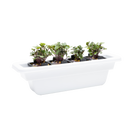
A hydroponic herb risotto recipe is exactly what it sounds like: a classic Italian Arborio rice dish elevated with fresh herbs grown without soil, using a water-based nutrient system called hydroponics. Instead of relying on grocery store herbs that may have sat in cold storage for days, you harvest basil, thyme, parsley, and chives straight from your countertop or living room garden — minutes before they hit the pan. The result is a depth of flavor that store-bought simply cannot match, and once you cook this way, it's hard to go back.
Why Homegrown Herbs Make a Better Risotto
Flavor is volatile — and that's not a metaphor. The aromatic compounds that give fresh herbs their punch, called terpenes and phenolic compounds, begin degrading the moment an herb is cut. A study published by the University of California Cooperative Extension found that fresh basil can lose up to 50% of its volatile aromatic compounds within 24 hours of harvest when stored at refrigerator temperatures. When you grow your own herbs indoors with a hydroponic system, you cut them at the peak of that aromatic window — right before they go into your risotto.
Hydroponic herbs also tend to grow faster and with more consistent flavor than soil-grown counterparts in variable outdoor conditions. NASA's Veggie project, which has studied plant growth in controlled environments since 2014, demonstrated that controlled-environment agriculture produces crops with highly predictable nutritional and flavor profiles because light, water, and nutrients are precisely managed. Your indoor garden operates on the same principle.
For a homegrown herb risotto, the herbs that perform best are:
- Basil — adds bright, sweet, slightly peppery notes at the finish
- Flat-leaf parsley — provides clean, grassy freshness throughout
- Thyme — contributes earthy, savory depth during the cooking process
- Chives — offer a mild onion flavor perfect for garnish
- Tarragon — an underrated addition with subtle anise notes
All five of these herbs grow beautifully in a Rise Gardens system. If you're just getting started, the compact Personal Garden fits right on your countertop and can support multiple herb pods simultaneously — ideal for keeping a rotating supply of everything this recipe calls for.
What Equipment and Ingredients Do You Need?
Good risotto is about technique and quality ingredients. Here's everything you need before you begin.
For the Indoor Garden Setup
- A Rise Gardens hydroponic system stocked with herb seed pods
- Properly calibrated nutrient solution — EC (electrical conductivity) between 1.2 and 2.0 mS/cm for most culinary herbs
- pH maintained between 5.5 and 6.5, which is the optimal range for nutrient absorption in leafy herbs
EC and pH are two key metrics in hydroponics. EC measures how many dissolved nutrients are in your water — too low and plants are hungry, too high and they can't absorb water properly. pH measures acidity; outside of the 5.5–6.5 range, nutrient lockout occurs even when nutrients are present. Rise Gardens' pre-formulated nutrients are designed to keep both values in the ideal range for culinary herbs, so you spend less time calibrating and more time cooking.
Risotto Ingredients (Serves 4)
- 1.5 cups Arborio rice
- 5–6 cups warm chicken or vegetable stock
- 1 medium shallot, finely diced
- 3 cloves garlic, minced
- 1 cup dry white wine (Pinot Grigio or Sauvignon Blanc work well)
- 3 tablespoons unsalted butter, divided
- 2 tablespoons olive oil
- ¾ cup freshly grated Parmigiano-Reggiano
- ¼ cup fresh flat-leaf parsley, roughly chopped (harvested fresh)
- 3 tablespoons fresh basil, chiffonade (harvested fresh)
- 1 tablespoon fresh thyme leaves, stripped from stems
- 2 tablespoons fresh chives, thinly sliced for garnish
- Salt and white pepper to taste
- Zest of one lemon
The Step-by-Step Hydroponic Herb Risotto Recipe
This fresh herb Arborio rice recipe follows the classic mantecatura method — the Italian technique of finishing risotto with cold butter and cheese off the heat to create a silky, emulsified texture.
Step 1: Harvest Your Herbs
About 20 minutes before you start cooking, harvest your herbs from your indoor garden. For basil, snip just above a leaf node to encourage continued growth. For thyme, strip leaves from the lower two-thirds of each stem. Rinse lightly and pat dry. Keep them covered at room temperature — not refrigerated — until you're ready to use them. This preserves those volatile aromatics.
Step 2: Build the Base
In a wide, heavy-bottomed pan (a straight-sided sauté pan or Dutch oven works perfectly), heat 1 tablespoon of butter and the olive oil over medium heat. Add the shallots and cook for 3–4 minutes until softened and translucent. Add the garlic and cook for another 60 seconds. Do not let either brown — you want sweetness, not bitterness, at this stage.
Step 3: Toast the Rice
Add the Arborio rice to the pan and stir to coat every grain in the fat. Toast for 2 minutes, stirring constantly, until the edges of each grain turn slightly translucent. This step, called tostatura, protects the starch structure of the rice and ensures your risotto finishes creamy rather than mushy.
Step 4: Deglaze with Wine
Pour in the white wine and stir vigorously. Let it absorb almost completely before adding any stock. The alcohol cooks off in under 2 minutes, leaving behind acidity that balances the richness of the dish.
Step 5: Add Stock, One Ladle at a Time
Add warm stock one ladle (about ½ cup) at a time, stirring frequently and waiting until each addition is nearly fully absorbed before adding the next. This process takes 18–22 minutes total. Maintain a gentle, active simmer throughout. The friction from stirring releases the rice's natural starch — this is what creates risotto's characteristic creaminess without any cream.
About 3 minutes before the rice reaches al dente, stir in your fresh thyme leaves. Thyme is sturdy enough to benefit from a brief cook, which mellows its piney edge into something warmer and more complex.
Step 6: Finish and Add Fresh Herbs
Remove the pan from heat. Add the remaining 2 tablespoons of cold butter and the Parmigiano-Reggiano, then stir vigorously for 90 seconds — this is the mantecatura. The risotto should move like a slow wave when you shake the pan; Italians call this all'onda (wave-like). If it's too thick, add a small splash of warm stock.
Fold in the chopped parsley, half the basil, and the lemon zest. Season with salt and white pepper. Plate immediately and top each bowl with the remaining basil chiffonade and a generous pinch of fresh chives.
How Do You Grow Enough Herbs to Cook With Regularly?
This is one of the most common questions from new indoor gardeners, and the answer comes down to planting strategy. A single basil pod will not keep up with a household that cooks weekly. The solution is succession planting — staggering new pods every 2–3 weeks so you always have herbs at different stages of maturity.
According to the USDA Economic Research Service, the average American household spends approximately $34 per year on fresh herbs purchased from grocery stores — and much of that goes to waste because packaged herbs are sold in quantities larger than most recipes require. Growing your own hydroponically eliminates that waste almost entirely: you harvest exactly what you need, and the plant keeps producing.
For a recipe like this indoor garden risotto, a practical pod rotation might look like:
- 2 basil pods (staggered 3 weeks apart)
- 1 flat-leaf parsley pod (slow-growing but very productive once established)
- 1 thyme pod (perennial growth habit — one pod lasts months)
- 1 chive pod (clip and regrow repeatedly)
If you're cooking for a larger household or entertaining regularly, The Rise Garden 3 offers a full-size three-tier system that gives you the pod capacity to grow all your culinary herbs alongside lettuces and microgreens at once — enough variety to support nearly every dish you make week to week.
Can You Customize This Recipe With Different Hydroponic Herbs?
Absolutely — and that's one of the great joys of growing your own. Once you have an indoor herb garden running, you'll start experimenting naturally. Here are a few tested variations on this fresh herb Arborio rice recipe:
- Tarragon and Lemon Risotto: Substitute tarragon for the basil and double the lemon zest. Add 1 teaspoon of Dijon mustard with the butter at the mantecatura stage. Excellent with seafood.
- Sage Brown Butter Risotto: Omit parsley and basil. Fry fresh sage leaves in the butter until crisp before adding shallots, then use that sage-infused butter throughout the entire recipe.
- Mint and Pea Risotto: Add 1 cup of blanched peas in the final 3 minutes of cooking and fold in fresh mint at the finish. A classic spring variation that showcases how mint grown hydroponically has none of the invasive tendencies it shows outdoors.
- Rosemary and Roasted Garlic Risotto: Add one small sprig of fresh rosemary with the thyme during the stock phase, but remove it before serving — it's powerful. Pair with roasted garlic stirred in at the finish.
For those who want the maximum growing capacity and a system that doubles as a statement piece in a kitchen or dining area, The Rise Loft is a furniture-grade indoor garden designed to integrate into your home's aesthetic while giving you serious growing real estate for herbs, greens, and beyond.
Tips for Getting the Most Flavor From Hydroponic Herbs
Growing herbs hydroponically gives you a head start, but a few practices will push flavor even further:
Harvest in the morning. Research published in the journal Food Chemistry found that aromatic herb concentrations peak in the early morning hours, before heat triggers volatile compound release. If your grow lights are on a morning schedule, harvest just before the lights come on or shortly after.
Don't over-fertilize. More nutrients does not mean more flavor. Herbs that are pushed too hard with high-nitrogen formulas grow fast but produce diluted flavor compounds. Stick to the recommended feeding schedule and EC targets for culinary herbs (1.2–1.8 mS/cm for most varieties).
Stress lightly before harvest. Mildly reducing water slightly before a big harvest — a technique used in commercial herb production — can concentrate flavors. This is not starvation; it's a brief, intentional adjustment of 12–24 hours.
Use stems, not just leaves. Parsley and basil stems carry significant flavor. Finely mince the stems and add them with the shallots at the beginning of your risotto for an extra aromatic foundation.
Research from Cornell University's Controlled Environment Agriculture program has shown that herbs grown under LED lighting with optimized spectrum settings can achieve 40% higher essential oil concentrations compared to field-grown counterparts — meaning your hydroponic herbs aren't just convenient, they're genuinely more flavorful by measurable standards.
FAQ: Hydroponic Herb Risotto and Indoor Herb Growing
How long does it take to grow basil hydroponically before it's ready to use in cooking?
Most hydroponic basil reaches harvestable size in 3–4 weeks from germination under proper grow lighting. You can begin taking small pinches of leaves as early as week 2 without harming the plant. For a full harvest quantity needed for a recipe like this risotto, plan on 4–5 weeks from planting your seed pod.
Can I make risotto with dried herbs instead of fresh hydroponic herbs?
You can, but the flavor difference is significant. Dried herbs have lost their volatile aromatic compounds through the dehydration process — they contribute earthy, concentrated flavor but lack the bright, fresh character that makes this recipe stand out. If you must substitute, use one-third the quantity of dried herb compared to fresh, and add them earlier in the cooking process so they have time to rehydrate and bloom.
What is the best hydroponic system for growing culinary herbs at home?
The right system depends on how many herbs you want to grow at once. A countertop unit like the Personal Garden is ideal for 1–4 herb varieties and fits in any kitchen. If you want to grow herbs plus lettuces, microgreens, and vegetables simultaneously, a multi-tier system like The Rise Garden 3 gives you the capacity to support a full cooking herb garden year-round, regardless of climate or season.
Why does my hydroponic basil taste different from grocery store basil?
Grocery store basil is typically harvested days before you purchase it and has been stored at cold temperatures that accelerate the breakdown of aromatic compounds. Hydroponic basil harvested at home at peak maturity contains significantly higher concentrations of linalool and eugenol — the primary flavor compounds in basil — giving it a more intense, complex flavor. Additionally, controlling light spectrum and nutrient levels in a home system allows you to optimize for flavor rather than shelf life or shipping durability.