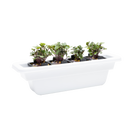
A hydroponic herb tzatziki recipe is exactly what it sounds like: the classic Greek yogurt-and-cucumber dip made even better by using fresh herbs you've grown yourself in an indoor hydroponic garden. Tzatziki is a chilled sauce traditionally made with strained yogurt, cucumber, garlic, lemon, and a generous handful of fresh dill or mint — sometimes both. When those herbs come straight from your countertop or living room garden, snipped minutes before mixing, the flavor difference is immediate and undeniable. This guide walks you through growing the herbs, preparing the sauce, and why your indoor garden is the best tool you have for making a homegrown herb dip that tastes genuinely fresh every single time.
Why Hydroponic Herbs Make the Best Tzatziki
Flavor in fresh herbs comes largely from volatile aromatic compounds — the oils that give dill its feathery brightness and mint its cool finish. Those compounds begin degrading the moment a plant is cut. Supermarket herbs are typically harvested days before they reach your kitchen, often traveling hundreds of miles in refrigerated trucks. By the time you open that plastic clamshell, a meaningful portion of the aromatic intensity has already been lost.
Hydroponically grown herbs tell a different story. Because the roots are submerged in or misted with a nutrient-rich water solution rather than soil, the plants absorb exactly what they need, exactly when they need it. Controlled indoor growing environments can yield herb crops with significantly higher essential oil concentrations compared to conventionally grown counterparts — a direct reflection of how growing conditions influence flavor quality.
The numbers are also practical: hydroponic systems use up to 95% less water than traditional soil gardening, according to the USDA's Agricultural Research Service. For a household herb garden, that translates to a few cups of nutrient solution per week rather than outdoor irrigation cycles.
If you're already growing with a Personal Garden on your countertop, you have everything you need to supply a steady rotation of dill, mint, chives, and parsley — the herbs that appear most often in tzatziki and its regional variations.
Which Herbs Should You Grow for an Indoor Garden Yogurt Sauce?
Traditional tzatziki calls for dill as its primary herb, though many Greek households use fresh mint instead, and some use both. For your indoor garden yogurt sauce, here are the four herbs worth having in rotation:
- Dill: The classic choice. Dill grows quickly in hydroponic systems, typically reaching harvestable size in 21–30 days from seedling stage. Its feathery fronds add a bright, slightly anise-like note that defines traditional tzatziki.
- Mint: Vigorous and fast-growing, mint brings a cooling, aromatic lift to the sauce. It's used in many Turkish and Lebanese variations of the dip and pairs especially well with lamb or grilled vegetables.
- Chives: Milder than raw garlic, chives offer a subtle onion note that rounds out the dip without overwhelming the yogurt base. They're one of the easiest hydroponic herbs to maintain and can be snipped repeatedly from the same plant.
- Parsley: Flat-leaf parsley adds color, a clean herbal baseline, and a small dose of bitterness that balances the richness of full-fat Greek yogurt. It blends well with dill in recipes calling for a more complex herb profile.
Each of these herbs is available as pre-seeded seed pods designed specifically for Rise Gardens systems, so you're not sourcing seeds separately or guessing at germination conditions.
How to Grow Fresh Dill in a Hydroponic Garden
Dill is one of the most rewarding herbs to grow hydroponically, but it does have a few preferences worth knowing:
Light: Dill needs 12–16 hours of light per day. Rise Gardens systems use full-spectrum LED panels that deliver the right wavelengths for leafy herb growth without generating heat that can cause dill to bolt prematurely. Bolting — the plant's transition to flowering and seed production — turns dill bitter and reduces leaf yield.
pH: Dill performs best at a solution pH between 5.5 and 6.5. Rise Gardens' nutrient system is formulated to maintain this range without requiring manual adjustment every few days.
EC (Electrical Conductivity): EC measures the concentration of dissolved nutrients in your water, expressed in millisiemens per centimeter (mS/cm). For dill and most leafy herbs, a target EC of 1.0–1.6 mS/cm supports healthy leaf growth without causing nutrient burn.
Temperature: Dill prefers ambient air temperatures between 60°F and 70°F — a range most indoor spaces hit naturally.
Harvest timing: For tzatziki, harvest dill fronds before the plant sets flowers. Snip the top few inches of stem once the plant reaches 8–12 inches tall. This encourages branching and continued production rather than triggering bolt.
The Hydroponic Herb Tzatziki Recipe
This recipe serves 6–8 people as a dip or sauce and scales easily. All herb quantities assume fresh-cut hydroponic herbs at peak quality.
Ingredients:
- 2 cups full-fat Greek yogurt (strained overnight if possible)
- 1 medium English cucumber (about 10 oz)
- 3 tablespoons fresh dill, finely chopped
- 1 tablespoon fresh mint, finely chopped (optional but recommended)
- 1 tablespoon fresh chives, finely sliced
- 2 cloves garlic, minced or grated
- 2 tablespoons extra-virgin olive oil
- 1 tablespoon fresh lemon juice
- 1 teaspoon lemon zest
- ¾ teaspoon fine sea salt, plus more to taste
- ¼ teaspoon white pepper
Instructions:
- Prepare the cucumber: Grate the cucumber on the large holes of a box grater. Transfer to a clean kitchen towel and squeeze firmly over the sink until you've removed as much liquid as possible. This step is essential — excess cucumber water will make your tzatziki thin and watery within minutes of serving.
- Mix the base: In a medium bowl, combine the strained yogurt, drained cucumber, minced garlic, olive oil, lemon juice, and lemon zest. Stir to combine.
- Add the herbs: Fold in the chopped dill, mint, and chives. Because you're using fresh-cut hydroponic herbs at full potency, start with the listed quantities and adjust after tasting.
- Season: Add the salt and white pepper. Taste and adjust — you may want more lemon juice or salt depending on the yogurt brand you're using.
- Chill: Cover and refrigerate for at least 30 minutes before serving. This allows the garlic to mellow and the herb flavors to distribute evenly through the yogurt.
- Serve: Transfer to a serving bowl, drizzle with olive oil, and garnish with a fresh dill sprig. Serve with warm pita, raw vegetables, grilled proteins, or alongside roasted lamb or chicken.
Storage: Tzatziki keeps well in an airtight container in the refrigerator for up to 3 days. Stir before serving again and taste for seasoning.
How Growing Herbs Indoors Changes Your Cooking
The practical answer: it removes the seasonal constraint from your recipe repertoire. Fresh dill in January. Fresh mint in the middle of a February cold snap. Chives ready to snip on a Sunday morning when you decide to make tzatziki for a spontaneous gathering. That access changes the way you plan meals — you stop working around what's available and start cooking from what you actually want.
If you're cooking for a larger household or want flexibility to grow herbs alongside leafy greens simultaneously, The Rise Garden 3 offers a multi-tier growing system that expands plant capacity without requiring outdoor space. For those who want a premium aesthetic alongside serious growing capability, The Rise Loft brings furniture-grade design to indoor gardening — growing herbs for tzatziki and having your garden look beautiful doing it are not mutually exclusive goals.
What Are the Best Tips for Getting the Most From Your Homegrown Herb Dip?
Harvest herbs at the right time of day. Aromatic oil concentrations are highest in the morning. If your garden is on a light timer, harvest just after the lights come on for the most intense flavor.
Don't over-process the herbs. Rough chopping dill preserves more volatile compounds than fine mincing. Aim for pieces about ¼ inch in size — visible in the sauce but not so large they feel like stems.
Use full-fat yogurt. Low-fat yogurt has higher water content and produces a thinner sauce that carries aromatic compounds less effectively. Full-fat Greek yogurt, ideally strained, gives the sauce its characteristic thick, creamy body.
Taste with context. Tzatziki is almost always served alongside something. Taste the finished sauce with a piece of plain pita or cucumber to evaluate the seasoning in context rather than on its own.
Grow more than you think you'll need. For a full batch of tzatziki, having two or three dill plants rather than one gives you the harvest volume you need without stripping any single plant bare.
Frequently Asked Questions
Can I use dried dill instead of fresh in tzatziki?
You can, but the flavor result is noticeably different. Dried dill has had most of its volatile oils removed during the drying process, leaving behind a muted, slightly dusty version of the herb's fresh character. If substituting, use one-third the quantity called for in the recipe (about 1 tablespoon dried for 3 tablespoons fresh) and add it at the beginning so it has time to rehydrate in the yogurt. Growing your own fresh dill hydroponically eliminates this compromise entirely.
How long does it take to grow dill hydroponically from seed pod to harvest?
In a Rise Gardens system with consistent light and proper nutrient levels, dill typically reaches its first harvestable stage in 21–35 days from germination. Germination itself usually occurs within 7–14 days of planting. That means you can go from planting a seed pod to snipping fresh dill for your tzatziki in as little as 4–5 weeks — faster than most outdoor soil growing timelines because the plant receives nutrients directly and doesn't spend energy developing an extensive root system.
What is the ideal pH for growing herbs in a hydroponic system?
Most culinary herbs, including dill, mint, chives, and parsley, thrive at a solution pH between 5.5 and 6.5. pH affects nutrient availability — outside this range, plants may show deficiency symptoms even when nutrients are present in the water, because the chemical forms nutrients take at extreme pH levels are not bioavailable to roots. Rise Gardens systems are designed to maintain this target range with their formulated nutrient solutions, reducing the need for manual pH adjustment.
What else can I make with hydroponic herbs from my indoor garden?
The same dill, mint, and chives you grow for tzatziki are foundational to a wide range of dishes: herb vinaigrettes, compound butters, fish marinades, grain bowls, and chimichurri-style sauces. Mint from your indoor garden can supply both savory recipes and beverages like mojitos or fresh mint tea. Because hydroponic herbs grow continuously and regenerate after harvesting, a well-maintained indoor garden produces enough fresh herb volume to meaningfully expand your everyday cooking without planning large harvest windows in advance.