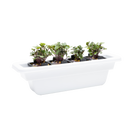
A hydroponic herb salad recipe is exactly what it sounds like: a fresh, flavor-packed salad built around herbs you grow yourself using a soil-free, water-based growing system right in your home. Instead of reaching for a plastic clamshell of wilted greens at the grocery store, you're harvesting vibrant basil, mint, parsley, dill, and more — minutes before they hit the bowl. Hydroponic growing means your plants get nutrients delivered directly to their roots in a precisely controlled water solution, which is why herbs grown this way tend to be more aromatic, more flavorful, and more nutritious than their store-bought counterparts. If you've been looking for a reason to start growing indoors, cooking with your harvest is one of the best ones there is.
Why Hydroponic Herbs Are the Secret Ingredient in Every Great Salad
Freshness is the single biggest driver of flavor in any salad, and nothing is fresher than herbs harvested from a garden that sits on your kitchen counter or in your dining room. When herbs are cut from a living plant and go straight into your bowl, their essential oils — the compounds responsible for that bright, punchy taste — are still fully intact. That's not always the case with produce that has traveled hundreds of miles in refrigerated trucks.
According to the USDA, leafy greens and herbs can lose up to 50% of some vitamins within the first few days after harvest. By growing your own with a system like Personal Garden, a compact countertop hydroponic garden, you eliminate that delay entirely. You harvest what you need, when you need it, and the rest of the plant keeps growing.
Hydroponic systems also give you precise control over the growing environment. The nutrient solution — a water mixture containing the exact macronutrients and micronutrients plants need — is measured by electrical conductivity (EC) and pH. For herbs, an ideal pH range is typically 5.5 to 6.5, and maintaining that range ensures maximum nutrient uptake and healthy, flavorful growth. Rise Gardens systems manage much of this automatically, so you can focus on cooking rather than calibrating.
The Core Hydroponic Herb Salad Recipe (Step-by-Step)
This base recipe is designed to be flexible. Think of it as a living template — swap herbs in and out based on what's thriving in your garden this week.
What you'll need:
- 2 cups fresh butter lettuce or arugula (hydroponic-grown)
- ½ cup fresh basil leaves, torn
- ¼ cup fresh flat-leaf parsley, roughly chopped
- 2 tablespoons fresh mint leaves, torn
- 2 tablespoons fresh chives, snipped
- 1 tablespoon fresh dill fronds
- 1 cup cherry tomatoes, halved
- ½ an English cucumber, thinly sliced
- ¼ cup crumbled feta cheese
- 3 tablespoons extra-virgin olive oil
- 1½ tablespoons white wine vinegar
- 1 teaspoon Dijon mustard
- 1 small garlic clove, minced
- Salt and black pepper to taste
Instructions:
- Harvest your herbs and greens in the morning when their essential oil concentration is at its peak. Rinse gently under cool water and spin or pat dry.
- In a large salad bowl, combine the lettuce or arugula with the basil, parsley, mint, chives, and dill. Toss lightly to distribute the herbs evenly.
- Add the cherry tomatoes, cucumber, and feta on top.
- In a small jar, whisk together the olive oil, white wine vinegar, Dijon mustard, and minced garlic. Season with salt and pepper. This is your indoor garden herb salad dressing — simple, sharp, and designed to let the fresh herbs lead.
- Drizzle the dressing over the salad just before serving and toss gently. Serve immediately for peak flavor.
Serves: 2 as a main, 4 as a side
Pro tip: If you want to add more substance, this recipe doubles beautifully as the base for a homegrown herb pasta salad. Cook 8 ounces of rotini or fusilli, let it cool completely, and fold it into the herb bowl before dressing. Add a handful of sun-dried tomatoes and a squeeze of lemon for an elevated version that works as a full meal.
How to Make a Fresh Herb Potato Salad With Your Hydroponic Garden
Potato salad gets a serious upgrade when the herbs come straight from a living garden. This fresh herb potato salad hydroponics version skips the heavy mayo base entirely in favor of a bright, vinegar-forward dressing that lets your homegrown herbs shine.
What you'll need:
- 1.5 lbs baby potatoes, halved and boiled until just tender
- 3 tablespoons fresh dill, chopped
- 2 tablespoons fresh chives, snipped
- 1 tablespoon fresh parsley, chopped
- 1 tablespoon fresh tarragon (optional but excellent)
- 3 tablespoons olive oil
- 2 tablespoons apple cider vinegar
- 1 teaspoon whole-grain mustard
- Salt and pepper to taste
Instructions:
- While the potatoes are still warm, toss them with the olive oil and apple cider vinegar so they absorb the dressing as they cool.
- Once the potatoes have cooled to room temperature, fold in all the fresh herbs.
- Stir in the whole-grain mustard, then season generously with salt and pepper.
- Taste and adjust — you may want a little more vinegar for brightness or an extra pinch of dill for depth.
- Serve at room temperature or chill for 30 minutes. The flavors intensify as it sits.
Dill and chives are among the easiest and fastest-growing herbs in a hydroponic system, typically reaching harvest-ready size in 3 to 4 weeks from planting. If you're growing with The Rise Garden 3, a full-size indoor hydroponic garden system, you can easily keep multiple herb varieties going simultaneously so you never run short mid-recipe.
What Herbs Grow Best for Salads in a Hydroponic System?
Not every herb performs the same way in a hydroponic setup, and choosing the right varieties makes a real difference in how productive your indoor garden is — and how flavorful your salads become.
Here are the top performers for salad-focused growing:
- Basil — Fast-growing and prolific. Sweet basil is a classic, but try Genovese or Thai basil for different flavor profiles. Grows best at 65–80°F.
- Chives — One of the most low-maintenance herbs for hydroponics. Mild onion flavor that works in virtually every salad.
- Dill — Feathery, delicate, and aromatic. Ideal for potato salads and cucumber-based dishes. Reaches harvestable size quickly.
- Parsley — Both flat-leaf and curly varieties do well. Flat-leaf has stronger flavor; curly is great as a garnish.
- Mint — Vigorous grower — give it its own pod so it doesn't crowd neighbors. Adds brightness and a cooling finish to salads.
- Tarragon — Slightly anise-flavored and pairs beautifully with vinaigrette-based dressings.
- Cilantro — Thrives in cooler indoor temperatures, making it ideal for year-round indoor growing.
NASA's Veggie project, which has been researching plant growth in controlled environments since 2014, identified leafy greens and herbs as some of the highest-value crops for space-based food production — specifically because of their fast growth cycles, compact size, and nutrient density. The same qualities that make them ideal for growing in orbit make them perfect for growing on your countertop or in a dedicated indoor garden unit.
Starting your herb garden is as simple as dropping in pre-seeded seed pods into your Rise Gardens system — no soil, no mess, and no guesswork about germination rates.
Can You Grow Enough Herbs at Home to Cook With Regularly?
This is one of the most common questions new indoor gardeners ask, and the answer is a confident yes — with a little planning. The key is understanding the difference between cut-and-come-again herbs and those that require full harvesting.
Basil, chives, parsley, mint, and dill are all cut-and-come-again varieties. That means when you harvest a portion of the plant — about one-third at a time — it continues growing and producing more leaves. A single basil plant in a hydroponic system can yield usable harvests every 7 to 10 days under proper light and nutrient conditions.
A study from the University of Arizona's Controlled Environment Agriculture Center found that hydroponic herb production yields up to 11 times more output per square foot than traditional soil-based growing. That's a significant difference when you're working with limited indoor space.
For households that cook frequently, a garden like The Rise Loft — a premium indoor garden with furniture-grade design — provides enough growing capacity to maintain a rotating supply of 6 to 12 herb varieties year-round. That's more than enough to support weekly salads, pastas, dressings, and garnishes without ever making a grocery run for fresh herbs again.
To keep your herbs growing vigorously, make sure you're replenishing their water reservoir with properly balanced nutrients on a regular schedule. Nutrient depletion is one of the most common reasons herb production slows down in home hydroponic systems — staying consistent makes a measurable difference in yield and flavor.
Building Your Indoor Garden Herb Salad Dressing Collection
Once you have a steady supply of fresh herbs at home, you'll naturally start developing your own dressing repertoire. Here are three indoor garden herb salad dressing formulas worth building into your regular rotation:
1. Classic Herb Vinaigrette
Whisk together 3 tablespoons olive oil, 1½ tablespoons red wine vinegar, 1 teaspoon Dijon mustard, 1 minced garlic clove, and 2 tablespoons each of minced fresh parsley and chives. Season with salt and pepper. This is your all-purpose go-to.
2. Mint and Lemon Dressing
Combine 3 tablespoons olive oil, the juice of 1 lemon, 1 teaspoon honey, and 3 tablespoons finely chopped fresh mint. Works beautifully over grain salads, cucumber salads, and any homegrown herb pasta salad base.
3. Dill and Apple Cider Dressing
Mix 3 tablespoons olive oil, 2 tablespoons apple cider vinegar, 1 teaspoon whole-grain mustard, 2 tablespoons fresh dill, and a small pinch of sugar. This is the ideal dressing for the fresh herb potato salad hydroponics recipe above — tangy, herby, and deeply satisfying.
All three of these dressings keep in the refrigerator for up to 5 days in a sealed jar. Make a double batch at the start of the week and you have fresh, homemade dressings ready to go every time you harvest.
According to a 2023 consumer survey, 68% of home cooks said the primary reason they don't use fresh herbs more often is that store-bought bundles go bad before they can be fully used. Growing your own eliminates that problem entirely — you harvest exactly what you need, and the plant keeps producing.
Frequently Asked Questions
What herbs are easiest to grow hydroponically for salads?
Basil, chives, and parsley are typically the easiest herbs to start with in a hydroponic system. They germinate quickly, grow reliably under LED grow lights, and produce steady harvests within 3 to 5 weeks of planting. Mint is also very easy but grows aggressively, so it works best in its own dedicated pod.
Do hydroponic herbs taste different from store-bought herbs?
Yes — most growers notice a significant difference in flavor intensity. Hydroponic herbs are harvested at peak ripeness rather than days or weeks after cutting, which means their essential oils are fully developed. The result is a more aromatic, more flavorful herb compared to what you typically find in grocery store packaging.
How often can I harvest herbs from my hydroponic garden?
With cut-and-come-again varieties like basil, chives, dill, and parsley, you can typically harvest every 7 to 14 days once the plant is established. The key is to take no more than one-third of the plant at each harvest, which allows it to continue growing vigorously. Consistent light (14 to 16 hours per day) and regular nutrient replenishment are the two biggest factors in maintaining high yields.
What is the best pH level for growing salad herbs hydroponically?
Most salad herbs thrive in a pH range of 5.5 to 6.5. Keeping your nutrient solution within this range ensures that the plant's roots can absorb the full spectrum of macro and micronutrients available to them. If the pH drifts outside this window, nutrient lockout can occur — meaning the plant cannot uptake certain minerals even if they're present in the water. Rise Gardens systems are designed to help maintain stable pH with minimal manual adjustment.