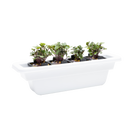
If your hydroponic pump is not circulating water, start by checking the intake screen for debris — a clog there is responsible for roughly 80% of pump failures in home systems. Next, confirm your reservoir holds at least 1 inch of water above the pump intake. Most small submersible pumps require a minimum water depth of 2 inches to prime and run correctly.
A pump that stops moving water doesn't just slow plant growth — it can starve roots of oxygen within 4 to 6 hours and cause permanent damage to your crop. Understanding why water stops flowing, and how to restore it quickly, is one of the most practical skills in indoor garden pump maintenance. This guide walks you through every common cause and its fix, in order of likelihood.
Why Is My Hydroponic Pump Not Circulating Water?
Pumps fail to circulate water for a handful of reasons, and most of them are mechanical, not electrical. Before assuming the pump is dead, work through this checklist:
- Clogged intake screen: Root fragments, algae, and mineral scale collect on the intake filter over time. A hydroponic pump clogged fix is usually as simple as removing the pump, rinsing the screen under warm water, and scrubbing with a soft brush. Do this every 2 to 4 weeks as part of routine indoor garden pump maintenance.
- Low reservoir level: If water is not reaching the top level of your system, the pump may be pulling air instead of water. Refill the reservoir so the pump intake sits at least 2 inches below the surface.
- Kinked or blocked tubing: Trace every inch of your delivery tubing. A single kink near a fitting can cut flow to zero. Replace any tubing that has developed a permanent bend.
- Mineral scale buildup inside the pump: Hard water deposits calcium and magnesium inside pump housings over time. Soak the disassembled pump in a 1:10 white vinegar and water solution for 30 minutes, then rinse thoroughly before reassembly.
- Impeller jam: A small piece of root material lodged in the impeller will stop the pump motor from spinning even if the motor itself is functional. Open the pump housing, remove the impeller, clear any debris, and test again.
- Pump has reached end of life: Submersible pumps used in home hydroponic systems typically last 12 to 18 months with regular maintenance. If your pump is older than that and none of the above fixes work, replacement is the most efficient path forward.
How Do I Fix a Hydroponic Pump That Is Clogged?
A hydroponic pump clogged fix follows a repeatable process you can complete in under 30 minutes:
- Unplug the pump. Always disconnect power before handling any equipment submerged in water.
- Remove the pump from the reservoir. Note where tubing connects before detaching anything.
- Disassemble the pump housing. Most submersible pumps clip or screw apart without tools.
- Rinse the intake screen under running water. Use a toothbrush to dislodge compacted algae or root matter.
- Remove and inspect the impeller. It should spin freely by hand. Clear any debris wrapped around the shaft.
- Soak parts in diluted vinegar if scale is visible. A 30-minute soak in a 1:10 vinegar-to-water ratio dissolves most calcium buildup without damaging plastic components.
- Reassemble, resubmerge, and plug in. Watch for steady water flow within 10 seconds of startup. No flow after 15 seconds means the blockage is elsewhere in the tubing or the pump needs replacement.
Keeping your nutrients properly diluted also reduces scale formation — concentrated nutrient solutions accelerate mineral deposition on pump components when water temperature rises above 72°F (22°C).
What Causes Water to Stop Reaching the Top Level?
In multi-level systems like The Rise Garden 3, water travels from a reservoir pump upward through a delivery tube to the highest tray, then cascades down through each level by gravity. When water is not reaching the top level, the cause is almost always one of three things:
- Insufficient pump flow rate: Every pump is rated in gallons per hour (GPH). A system with three growing levels typically needs a pump rated for at least 80–120 GPH to overcome the vertical lift required. If you've swapped in an underpowered replacement pump, it may run but not push water high enough.
- Partial clog in the delivery tube: Even a small amount of algae growth inside the tube can reduce flow enough that water stalls before reaching the top tray. Flush tubes with warm water monthly.
- Air lock in the tubing: Air trapped in an upward-running tube creates a pressure barrier. Disconnect the tube at the highest point, let water drain completely, reconnect, and restart the pump to purge the air.
NASA's Veggie project, which has grown leafy crops aboard the International Space Station since 2014, documented that consistent water and nutrient delivery to all root zones is the single most critical variable in hydroponic crop success — more influential than light intensity alone. Reliable circulation isn't optional.
Building a Simple Pump Maintenance Routine
Reactive troubleshooting is more stressful and more expensive than prevention. A basic indoor garden pump maintenance schedule keeps problems rare:
- Every 2 weeks: Visually inspect tubing for kinks and check reservoir water level. Refill with pH-balanced water (target pH 5.5–6.5 for most vegetables and herbs).
- Every 4 weeks: Remove and rinse the pump intake screen. Check that water is reaching the top level of your system within 30 seconds of startup.
- Every 3 months: Full pump disassembly, vinegar soak, and impeller inspection. Replace any tubing showing cracks or permanent deformation.
- Annually: Evaluate pump age and performance. A pump delivering less than 70% of its rated GPH is a candidate for replacement before it fails mid-grow.
If you're growing in a compact setup, the Personal Rise Garden uses a purpose-matched pump sized for its reservoir volume, which simplifies maintenance considerably. For larger growing ambitions, The Rise Loft is engineered with easy-access pump housing so you can complete a full cleaning without moving the unit. Pairing the right system with consistent maintenance means your seed pods go from germination to harvest without a single disruption to water flow.
According to the University of Nevada Cooperative Extension, hydroponic systems that maintain consistent water circulation and an EC (electrical conductivity) between 1.5 and 2.5 mS/cm produce yields 30–50% higher than soil-grown equivalents under the same light conditions. Your pump is the engine behind that advantage — keep it clean.
Frequently Asked Questions
How often should I clean my hydroponic pump?
Rinse the intake screen every 2 to 4 weeks and do a full disassembly and vinegar soak every 3 months. Pumps running in systems with hard water or high nutrient concentrations may need cleaning more frequently — check for reduced flow as an early warning sign.
Can a hydroponic pump run dry without being damaged?
Most submersible pumps rely on the surrounding water for cooling and lubrication. Running dry for even 5 to 10 minutes can overheat the motor and warp the impeller housing, causing permanent damage. Always ensure the reservoir holds at least 2 inches of water above the pump intake before powering on.
What pH should my hydroponic reservoir water be?
Most vegetables and herbs grow best at a reservoir pH between 5.5 and 6.5. Outside this range, roots lose the ability to absorb specific nutrients even when those nutrients are present in the water. Test pH weekly with a calibrated digital meter and adjust using pH Up or pH Down solutions in small increments.