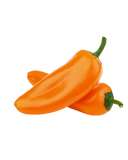
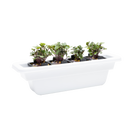
A stuffed mini pepper recipe with fresh herbs is exactly what it sounds like — bite-sized sweet peppers hollowed out and filled with a savory, herb-packed mixture, most commonly built around a creamy cheese base. The result is a vibrant, crowd-pleasing appetizer that looks impressive on any table and takes less than 30 minutes to prepare. What makes this recipe truly special is what happens when those herbs come straight from your own indoor hydroponic garden. The difference in flavor between freshly snipped basil or chives and the dried, week-old versions from a grocery bag is dramatic — and once you taste it, there's no going back.
Why Homegrown Herbs Make This Stuffed Mini Pepper Recipe Taste Better
Flavor compounds in herbs like basil, parsley, and chives begin to degrade the moment they're harvested. A 2016 study from Penn State found that leafy greens can lose up to 50% of certain nutrients within just a few days of being cut and refrigerated. The same principle applies to volatile aromatic compounds — the oils responsible for that fresh, punchy flavor. When you grow herbs indoors with a hydroponic system and snip them directly before cooking, you're capturing those compounds at their absolute peak.
Hydroponic growing, which is the method of cultivating plants in a nutrient-rich water solution rather than soil, consistently produces herbs with concentrated flavor profiles. Because the plant's roots have direct access to precisely calibrated nutrients — measured by electrical conductivity (EC) and pH levels — growth is efficient and the plant channels its energy into leaf and flavor development rather than searching for food in the soil.
Growing your own also gives you access to herb varieties that supermarkets rarely stock: lemon thyme, purple basil, shiso, and French tarragon all shine in a cream cheese stuffed peppers appetizer. With a system like Personal Garden sitting on your countertop, you can have four to six herb varieties ready to harvest at any given time.
What Ingredients Do You Need for a Herb-Stuffed Mini Pepper Appetizer?
This recipe is designed to be flexible, but the core components stay consistent. Here's what you'll need to serve approximately 24 stuffed pepper halves (12 whole mini peppers):
For the peppers:
- 12 mini sweet peppers (red, yellow, and orange create a beautiful spread)
- 1 tablespoon olive oil
- Pinch of flaky sea salt
For the herb cream cheese filling:
- 8 oz full-fat cream cheese, softened to room temperature
- 2 tablespoons fresh chives, finely chopped
- 2 tablespoons fresh basil, finely chopped or torn
- 1 tablespoon fresh flat-leaf parsley, chopped
- 1 teaspoon fresh thyme leaves
- 1 clove garlic, minced or pressed
- Zest of half a lemon
- Salt and freshly cracked black pepper to taste
Optional additions for variation:
- 2 tablespoons crumbled feta or goat cheese (adds tanginess)
- 1 teaspoon smoked paprika stirred into the filling or dusted on top
- Crushed walnuts or toasted pine nuts for texture
- Thin slices of cucumber or cherry tomato as garnish
The mini peppers herb filling recipe is genuinely forgiving. Swap parsley for cilantro if you prefer a brighter, citrusy note. Use dill instead of thyme for a more Scandinavian profile. The cream cheese base holds everything together and lets the herbs speak.
Step-by-Step Instructions for the Best Cream Cheese Stuffed Peppers Appetizer
Step 1: Prep the peppers. Rinse your mini peppers under cold water and pat them dry. Slice each pepper in half lengthwise. Using a small spoon or your fingers, remove the seeds and any white membrane. Brush the cut sides lightly with olive oil and sprinkle with a small pinch of sea salt. At this point you can serve them raw — which keeps a satisfying crunch — or roast them.
To roast: Arrange the halves cut-side down on a baking sheet. Roast at 425°F for 10–12 minutes until the skins begin to blister and the flesh softens slightly. Let them cool completely before filling. Roasting adds a subtle sweetness that pairs beautifully with the tangy cream cheese filling.
Step 2: Make the herb filling. In a medium bowl, combine the softened cream cheese with your freshly chopped herbs, minced garlic, and lemon zest. Mix thoroughly with a fork or spatula until the herbs are evenly distributed and the mixture has a pale green speckled appearance. Season with salt and pepper, taste, and adjust.
This is where homegrown herbs show off. A tablespoon of fresh chives snipped from your indoor garden carries a clean, mild onion flavor that is noticeably brighter than anything pre-packaged. Basil grown under the full-spectrum LED lights of a system like The Rise Garden 3 develops richly aromatic leaves with a sweet, slightly peppery bite that elevates this filling from good to genuinely memorable.
Step 3: Fill the peppers. Spoon the cream cheese mixture into a piping bag fitted with a star tip, or simply use a zip-lock bag with one corner snipped off. Pipe or spoon the filling generously into each pepper half. For a polished presentation, overfill slightly so the filling crowns above the pepper's edge.
Step 4: Garnish and serve. Finish each stuffed pepper with a small fresh herb leaf — a tiny basil leaf, a chive tip, or a sprig of thyme — pressed lightly into the top of the filling. Dust with smoked paprika if desired. Arrange on a serving board and serve immediately, or refrigerate for up to 4 hours before serving.
Homegrown Pepper Recipe Ideas: Growing Mini Peppers Indoors
If you're ready to grow your own mini sweet peppers alongside your herbs, you're in excellent company. According to the National Gardening Association, food gardening participation in the United States grew by 19% between 2019 and 2021, and herbs consistently rank as one of the top three categories of edible plants grown at home.
Mini sweet peppers are a particularly good fit for indoor hydroponic growing. Pepper plants thrive in warm, stable temperatures — ideally between 70°F and 85°F — which is precisely the controlled environment an indoor system provides. Unlike outdoor gardens, your plants won't face temperature swings, pest pressure from the soil, or inconsistent watering.
NASA's Veggie project, which has been evaluating plant growth in controlled environments since 2014, confirmed that hydroponic systems can produce yields comparable to or exceeding those of soil-based cultivation, with the added advantage of year-round production regardless of season. That means fresh peppers and herbs in January just as easily as in August.
For a dedicated herb and pepper setup, the The Rise Loft offers a furniture-grade design with multiple growing tiers, giving you space to cultivate several herb varieties alongside a pepper plant without taking over your kitchen. Plant your herbs in the upper tiers for easy access while peppers develop in the lower sections where there's more vertical clearance.
When starting from seed pods, pepper plants typically germinate in 7–14 days and reach harvestable size in approximately 60–90 days depending on variety and growing conditions. Herbs like basil and chives are ready to harvest in as little as 3–4 weeks, so you can enjoy homegrown herb-stuffed appetizers long before your first pepper is ready to pick.
How Do You Store and Serve Stuffed Mini Peppers?
Stuffed mini peppers are at their absolute best served fresh, within an hour of being filled. That said, they hold up reasonably well when prepared slightly in advance. Here are the practical rules:
Refrigeration: Filled peppers can be covered loosely with plastic wrap and refrigerated for up to 4 hours without significant quality loss. After that, the peppers begin to release moisture, which can thin the cream cheese filling and make the presentation less crisp.
Prep-ahead strategy: For parties, make the herb cream cheese filling up to 24 hours in advance and store it covered in the refrigerator. Prep and roast the pepper shells the same day you're serving. Fill them within 1–2 hours of serving for the best texture and flavor.
Temperature for serving: Pull refrigerated stuffed peppers out about 15–20 minutes before serving. Cream cheese filling tastes richer and more complex at closer to room temperature than straight from the fridge.
Freezing: Not recommended. Cream cheese-based fillings separate and become grainy when frozen and thawed, and pepper texture degrades significantly.
For outdoor entertaining or long buffet tables, keep filled peppers on a serving tray nestled over a shallow bed of ice to maintain food safety. The USDA recommends keeping cream cheese-based dishes at 40°F or below when held for more than 2 hours to prevent bacterial growth.
Seasonal Variations: Adapting This Mini Peppers Herb Filling Recipe Year-Round
One of the great advantages of growing herbs indoors is that your ingredient list doesn't change with the seasons. But the spirit of the recipe can shift to match the occasion:
Spring and summer version: Lean into delicate herbs — fresh tarragon, lemon basil, and chervil. Add thin-sliced radish and edible flowers on top for a visually striking appetizer that suits outdoor gatherings and brunch spreads.
Fall version: Fold roasted garlic into the cream cheese along with fresh sage and rosemary. A drizzle of honey over the finished peppers creates a sweet-savory contrast that pairs well with charcuterie boards and autumn dinner parties.
Winter / holiday version: Mix cream cheese with a small amount of crumbled gorgonzola and fresh thyme, then top each filled pepper with a candied walnut half. The rich, slightly funky flavor profile feels festive and sophisticated. According to a survey by the Specialty Food Association, appetizers featuring fresh herbs are among the top requested finger foods at holiday gatherings, with 63% of hosts reporting they serve at least one herb-forward bite to start.
No matter the season, having a hydroponic garden on your counter means the herbs are always there when inspiration strikes. You're not planning a trip to the store around a recipe — you're planning a recipe around what's thriving in your garden right now. That shift in mindset is one of the most satisfying parts of growing your own food indoors.
Frequently Asked Questions
Can I make stuffed mini peppers without cream cheese?
Yes. You can substitute cream cheese with ricotta, whipped goat cheese, or a dairy-free cashew cream for different flavor profiles and dietary needs. Ricotta gives a lighter, slightly grainy texture, while goat cheese adds a tangier, earthier note that pairs especially well with herbs like thyme and chives. Just make sure any substitute is thick enough to hold its shape when piped or spooned into the pepper halves.
Which herbs work best in a stuffed mini pepper recipe with fresh herbs?
Chives, basil, flat-leaf parsley, and thyme are the most versatile choices because their flavors complement the sweetness of mini peppers without overpowering the cream cheese base. Dill, tarragon, and cilantro are excellent alternatives depending on the flavor direction you want. Stronger herbs like rosemary or sage should be used sparingly — no more than a teaspoon — as they can dominate the filling if overused.
How do I grow herbs indoors for cooking year-round?
A countertop hydroponic system is the most reliable method for year-round indoor herb growing. Hydroponics delivers water and nutrients directly to plant roots in a controlled environment, producing faster growth and more consistent yields than soil-based indoor pots. Systems like the Personal Garden are designed specifically for countertop use and come with built-in full-spectrum LED lighting that replaces sunlight, making them effective even in apartments or rooms with limited natural light.
Are mini sweet peppers good for you?
Mini sweet peppers are an excellent source of vitamin C, vitamin A, and antioxidants called carotenoids, which give them their red, yellow, and orange colors. According to USDA nutritional data, one medium red sweet pepper contains approximately 169% of the recommended daily value of vitamin C — more than most citrus fruits. They're also low in calories, with a typical mini pepper containing around 10–15 calories, making them a smart vessel for a rich cream cheese filling.