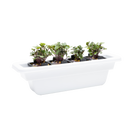
A fresh herb chimichurri sauce recipe is one of the most rewarding things you can make when you have a steady supply of homegrown herbs on hand. Chimichurri is a vibrant, uncooked herb sauce originating from Argentina, traditionally made with flat-leaf parsley, garlic, olive oil, red wine vinegar, and red pepper flakes. It's the backbone of Argentinian chimichurri fresh herbs culture — spooned generously over grilled steak, roasted vegetables, or crusty bread. When you swap out store-bought, weeks-old herbs for snips of parsley and cilantro harvested minutes before cooking, the flavor difference is immediate and unmistakable.
What Makes Chimichurri an Argentinian Classic?
Chimichurri has been a staple of Argentine and Uruguayan grilling culture for centuries. The sauce is part of the broader tradition of asado — the South American art of barbecue — where the focus is always on fresh, high-quality ingredients prepared simply. Classic Argentinian chimichurri fresh herbs include flat-leaf parsley as the dominant green, with garlic and vinegar providing the punch. Over time, regional and personal variations have introduced cilantro, oregano, and even lemon zest into the mix.
A cilantro parsley chimichurri is the most popular North American adaptation of the original, bringing a slightly brighter, more citrusy note to the sauce. According to a survey by the Specialty Food Association, fresh herb sauces like chimichurri have seen a 37% growth in consumer interest over the past five years, driven largely by home cooks looking to replicate restaurant-quality flavors at home. When your herbs come straight from your own indoor hydroponic garden, you're not just replicating that flavor — you're exceeding it.
Why Homegrown Herbs Make a Better Chimichurri
Freshness is the single most important variable in any herb sauce. The volatile aromatic compounds — the oils that give parsley its grassy brightness and cilantro its citrusy punch — begin to degrade the moment an herb is cut and exposed to air. Research from the USDA Agricultural Research Service has confirmed that fresh-cut herbs can lose up to 50% of their volatile aromatic compounds within 48 hours of harvest when stored at room temperature. Even refrigerated herbs lose significant potency within three to five days.
When you grow parsley and cilantro in an indoor hydroponic system, you harvest what you need, when you need it. Hydroponics — the method of growing plants in a nutrient-rich water solution rather than soil — produces herbs with consistently high concentrations of those flavor compounds because the plant receives precisely calibrated nutrients, water, and light. The NASA Veggie project, which has studied hydroponic plant growth aboard the International Space Station since 2014, confirmed that hydroponically grown leafy greens achieve comparable or superior nutritional density to their soil-grown counterparts under optimized conditions.
A compact countertop system like the Personal Garden is an ideal starting point for herb growing. It fits on a kitchen counter and can grow parsley, cilantro, basil, and oregano simultaneously — giving you everything you need for a cilantro parsley chimichurri, and then some.
Fresh Herb Chimichurri Sauce Recipe (Step-by-Step)
This recipe yields approximately one cup of sauce — enough for two to four servings. It stores well in the refrigerator for up to five days, though the flavor is most vibrant in the first 24 hours.
Ingredients:
- 1 cup fresh flat-leaf parsley, tightly packed (stems removed)
- ½ cup fresh cilantro, tightly packed (stems removed)
- 4 cloves garlic, peeled
- 1 small shallot, roughly chopped
- ½ teaspoon crushed red pepper flakes
- 1 teaspoon dried oregano (or 1 tablespoon fresh)
- 3 tablespoons red wine vinegar
- ½ teaspoon kosher salt
- ¼ teaspoon freshly cracked black pepper
- ½ cup good-quality extra virgin olive oil
Instructions:
- Harvest your herbs. Snip parsley and cilantro from your indoor garden, rinse lightly under cold water, and pat dry. Remove the thicker stems — they're fine in small amounts but can make the sauce slightly bitter in large quantities.
- Pulse the aromatics first. Add garlic, shallot, and red pepper flakes to a food processor. Pulse five to six times until roughly minced. This prevents the garlic from becoming a paste before the herbs are incorporated.
- Add the herbs and dry seasonings. Add the parsley, cilantro, oregano, salt, and black pepper. Pulse another eight to ten times. You want a rough, textured chop — not a smooth purée. Authentic chimichurri has visible herb pieces.
- Add the acid. Pour in the red wine vinegar and pulse two to three more times to incorporate.
- Stream in the olive oil. With the processor running on low, slowly drizzle in the olive oil. Stop once it's just combined. Over-processing at this stage will emulsify the sauce too much and mute the herb flavors.
- Rest before serving. Transfer to a bowl or jar and let the sauce sit at room temperature for at least 15 minutes before serving. This resting period allows the vinegar to slightly soften the raw garlic and meld the flavors together.
Serving suggestions for your homegrown herb steak sauce: Spoon generously over a reverse-seared ribeye or flank steak, use as a marinade for chicken thighs, drizzle over roasted carrots or cauliflower, or serve alongside grilled shrimp. This cilantro parsley chimichurri also works beautifully as a dipping sauce for crusty sourdough.
How Do You Grow Parsley and Cilantro Indoors for Chimichurri?
Both parsley and cilantro are well-suited to indoor hydroponic growing, though they have slightly different personalities. Parsley is the more patient of the two — it takes 14 to 21 days to germinate and grows steadily once established. Cilantro is faster to sprout (7 to 10 days) but bolts quickly in warm conditions, meaning it sends up a flower stalk and the leaves become more sparse and pungent. Keeping your grow light on a consistent 16-hours-on, 8-hours-off cycle and maintaining a water temperature between 65°F and 72°F will slow bolting significantly.
In a hydroponic system, both herbs benefit from a nutrient solution with an electrical conductivity (EC) — a measure of dissolved mineral concentration in the water — of between 1.0 and 1.6 mS/cm, and a pH level (the measure of acidity or alkalinity in the solution) of 5.5 to 6.5. Rise Gardens nutrients are pre-formulated for exactly this range, taking the guesswork out of feeding your herbs.
For a gardener who wants to grow herbs seriously and expand beyond a single countertop unit, The Rise Garden 3 is a full-size indoor hydroponic garden system that supports multiple growing trays simultaneously. You can dedicate one entire tray to chimichurri herbs — parsley, cilantro, oregano — and rotate crops so you always have mature herbs ready to harvest without waiting for a full regrow cycle.
Start each new crop with seed pods designed specifically for Rise Gardens systems. The pre-seeded pods are calibrated for hydroponic germination and take the uncertainty out of starting herbs from scratch.
What Are the Best Herbs to Add to Chimichurri?
The traditional base of any authentic Argentinian chimichurri fresh herbs recipe is flat-leaf (Italian) parsley. From there, the variations are nearly endless. Here's a breakdown of the most popular herb additions and what each brings to the sauce:
- Cilantro: The most common addition in North American versions. Adds a citrusy, floral note and brightens the overall flavor. A cilantro parsley chimichurri is generally more aromatic and complex than a parsley-only version.
- Fresh oregano: Adds a slightly earthy, Mediterranean depth. Use sparingly — it can overpower the parsley if used in excess.
- Mint: An unconventional but excellent addition when paired with lamb. Use about two tablespoons per cup of parsley.
- Basil: Adds sweetness. Works well in a grilled vegetable chimichurri where a more delicate flavor profile is preferred.
- Chives: A milder onion flavor that integrates seamlessly. Great for those who find shallots too sharp.
Because indoor hydroponic gardening lets you grow multiple herb varieties in a compact footprint, experimenting with these combinations becomes part of the cooking process. The The Rise Loft — a premium indoor garden with furniture-grade design — is built for households where aesthetics matter as much as function, and it can support a full herb garden that covers every variation of chimichurri you'd ever want to make.
Storing Your Chimichurri and Keeping the Flavor Bright
Properly stored chimichurri keeps for up to five days in a sealed glass jar in the refrigerator. A few tips to preserve the brightness of the sauce:
- Use a glass container. Plastic absorbs the aromatic compounds from herbs and can cause the sauce to taste flat faster.
- Keep olive oil on top. After each use, pour a thin layer of fresh olive oil over the surface before resealing. This creates a barrier against oxidation.
- Don't freeze with olive oil. If you want to freeze chimichurri, blend the herbs with vinegar and garlic only, then freeze in ice cube trays. Add fresh olive oil after thawing.
- Bring to room temperature before serving. Cold chimichurri is noticeably more muted in flavor. Pull it from the fridge 20 minutes before you plan to use it.
One of the most practical benefits of growing herbs hydroponically at home is that long-term storage becomes less of a concern. When you can harvest two tablespoons of fresh parsley and a handful of cilantro on demand, there's rarely a reason to make more sauce than you need in a single sitting.
Frequently Asked Questions
Can I make chimichurri without a food processor?
Yes — in fact, a hand-chopped chimichurri is often considered more traditional. Use a sharp chef's knife to finely mince the garlic, shallot, and herbs separately, then combine them in a bowl with the vinegar, olive oil, and seasonings. The texture will be slightly chunkier and the flavor slightly more rustic, which many people prefer for a homegrown herb steak sauce.
What is the difference between chimichurri verde and chimichurri rojo?
Chimichurri verde (green) is the version most people know — made with fresh parsley, cilantro, garlic, vinegar, and olive oil. Chimichurri rojo (red) replaces fresh herbs with dried herbs and adds roasted red peppers or tomato paste, giving it a deeper, smokier flavor profile. Both are authentic Argentinian preparations, though chimichurri verde is more commonly associated with fresh herb-forward cooking.
How long does it take to grow enough parsley for chimichurri indoors?
In a hydroponic system with full-spectrum LED lighting, parsley typically reaches a harvestable size — about 6 to 8 inches tall — within 30 to 40 days from seeding. Cilantro is ready slightly faster, often within 21 to 28 days. Once established, both plants can be harvested using a cut-and-come-again method, meaning you trim outer leaves and the plant continues to produce new growth for several additional weeks.
Is hydroponic parsley as flavorful as soil-grown parsley?
Hydroponic parsley grown under optimized conditions — the right spectrum of light, a balanced nutrient solution, and a pH between 5.5 and 6.5 — is consistently as flavorful as, and often more intensely aromatic than, grocery store soil-grown parsley. Because hydroponic plants are harvested at peak freshness rather than after days in transit and cold storage, the volatile aromatic compounds responsible for flavor are at their highest concentration at the moment you use the herb in a recipe.