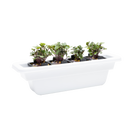
A hydroponic garden weigh when it is full of water depends on reservoir size, but plan for roughly 8.34 pounds per gallon of water. A compact countertop unit holding 1–2 gallons adds about 17 pounds total. A full-size multi-tier system with a 4–6 gallon reservoir can reach 60–80 pounds fully loaded with water, grow medium, and plants.
Understanding the loaded weight of your indoor garden matters before you choose a location. Water is surprisingly heavy, and when you add the frame, grow trays, nutrient solution, and maturing plants, the numbers climb faster than most people expect. This guide breaks down hydroponic reservoir water volume by system size, explains what residential floors can actually hold, and helps you make a confident placement decision.
How Much Does Water Actually Weigh in a Hydroponic Reservoir?
Water weighs 8.34 pounds per gallon at room temperature—that is the fixed number to keep in your back pocket. A hydroponic reservoir water volume of 5 gallons therefore contributes 41.7 pounds of weight before you account for a single plant or ounce of hardware.
Here is a practical breakdown by reservoir size:
- 1–2 gallons: 8–17 lbs of water alone — typical of countertop systems like the Personal Rise Garden, a compact countertop hydroponic garden designed for herbs and greens on a kitchen counter or shelf.
- 3–4 gallons: 25–33 lbs of water — common in mid-size single-tier gardens.
- 5–6 gallons: 42–50 lbs of water — found in full-size systems like The Rise Garden 3, a full-size indoor hydroponic garden system with three growing levels.
Add the dry weight of the frame, trays, grow pods, pump, and lights, and total system weight at full capacity typically lands between 15 pounds for a countertop model and 75–85 pounds for a standing three-tier unit. That is comparable to a full suitcase or a small bookshelf loaded with hardcovers — significant, but manageable when placed correctly.
What Is Indoor Garden Weight on a Floor and How Much Can a Residential Floor Hold?
Most residential floors in the United States are engineered to support a live load of 40 pounds per square foot (psf) — a standard derived from the International Residential Code (IRC). Some older homes or apartments may be rated lower; newer construction is often higher. The key metric is not total weight but weight concentrated over a given area.
A standing hydroponic garden with a footprint of roughly 2 square feet that weighs 80 pounds exerts about 40 psf — right at the common residential limit. Spread that same garden across a 3-square-foot base and the load drops to around 27 psf, well within safe range. Feet, casters, or a base platform all change how weight is distributed.
According to research from university structural engineering programs, point loads — weight concentrated on small contact areas like narrow legs — pose more risk than the same total weight spread across a wide base. If your garden has thin feet on soft flooring, a furniture pad or plywood base distributes that load more safely.
Practical rules for apartment floor load and gardens:
- Position large gardens along load-bearing walls or near support columns when possible.
- Avoid placing heavy systems in the center of a span between joists on upper floors.
- If you are in an older building, consult your building manager before placing any garden system over 50 pounds in one spot.
- Use casters or wide-base feet to spread the load — every square inch helps.
Weight Estimates for Specific Rise Gardens Systems
Here are realistic fully loaded weights for the garden systems we offer, including water, hardware, grow medium, and plants at mature stage:
- Personal Rise Garden: Approximately 12–18 lbs fully loaded. The reservoir holds roughly 1.5 gallons. Ideal for countertops rated for standard kitchen appliance loads.
- The Rise Garden 3: Approximately 65–80 lbs fully loaded with a reservoir capacity around 5–6 gallons. This system stands on a floor frame and distributes weight across four contact points.
- The Rise Loft: A premium indoor garden with furniture-grade design, engineered with a stable base that spreads load across its full footprint. Fully loaded weight is comparable to a solid wood console table — substantial but designed for standard residential floors.
Filling your system with nutrients dissolved in water does not meaningfully change the weight — nutrient concentrations are measured in parts per million (ppm) or by electrical conductivity (EC), and typical EC levels of 1.2–2.4 mS/cm add a negligible fraction of a pound to total water weight.
Does Plant Growth Add Significant Weight Over Time?
Mature lettuce heads weigh roughly 0.5–1 lb each. Herbs run lighter, around 0.1–0.3 lbs per plant. Even a fully planted 36-pod system at peak harvest adds only 10–15 lbs of plant biomass — meaningful, but not a structural concern if your baseline placement was sound.
NASA's Veggie project, which studies plant growth in confined environments including microgravity, has documented that leafy crops grown hydroponically reach harvestable size in 28–35 days. That growth cycle means your garden is at maximum plant weight only briefly before you harvest and replant seed pods, keeping the system cycling through lower-weight stages most of the time.
The USDA reports that hydroponic systems use up to 90% less water than soil-based growing for equivalent yields — which also means the water you do carry is doing concentrated work. Fewer gallons, more food per drop.
Frequently Asked Questions
How heavy is a hydroponic garden when it is full of water?
Water weighs 8.34 lbs per gallon, so a 5-gallon reservoir alone adds about 42 lbs. Add the frame, trays, lights, and plants and a full-size three-tier system typically weighs 65–80 lbs total at full capacity.
Is a hydroponic garden safe to place in an apartment?
Most residential floors support 40 pounds per square foot under standard building codes. A countertop unit under 20 lbs poses no concern. For larger floor-standing systems, place them near walls, use wide-base feet to distribute load, and check with your building manager if the structure is older than 30 years.
Does topping off the reservoir with water each week change the floor load?
No — you are replacing water that plants have already absorbed, so the reservoir water volume stays roughly constant rather than increasing. The total system weight at full reservoir fill is your stable ceiling number, not a figure that climbs week over week.