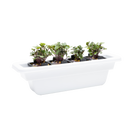
A typical indoor hydroponic garden operates between 30 and 50 decibels — roughly the same as a quiet library or a refrigerator hum. The two main sources of sound are the water pump and the grow light fan. Most modern systems are quiet enough to run in a bedroom without disturbing sleep, especially when placed on a stable, vibration-absorbing surface.
Noise is one of the most common concerns people raise before buying an indoor garden, and it's a fair one. If your garden lives on a kitchen counter or a bedroom shelf, you want to know what you're signing up for. The good news: hydroponic garden noise is manageable, predictable, and — in most setups — barely noticeable. Here's what's actually making sound, how loud each component is, and how to keep things quiet.
What Makes Noise in an Indoor Hydroponic Garden?
There are two primary components responsible for virtually all the sound in a hydroponic system: the water pump and the ventilation or cooling fan. Understanding each one helps you set realistic expectations — and troubleshoot if something sounds off.
Hydroponic Pump Noise Level
The water pump circulates nutrient-rich water to your plant roots continuously or on a timed cycle. Small submersible pumps, the kind used in compact countertop systems, typically generate between 30 and 40 dB. That's quieter than a normal conversation, which registers around 60 dB. Larger reservoir pumps in multi-tier systems can reach 45–50 dB, still well below the 55 dB threshold that most sleep researchers associate with sleep disruption.
Pump noise becomes more noticeable when the unit vibrates against a hard surface. A simple foam pad or rubber mat underneath your garden can cut perceived noise significantly — this is one of the easiest and most effective fixes available.
Indoor Garden Fan Noise
Grow lights generate heat, and most indoor garden systems use small integrated fans to dissipate it. These fans are similar in size and volume to the cooling fans inside a laptop. At a distance of one meter, they typically measure 35–45 dB. Some systems use passive heat management or low-RPM fans that are nearly silent at normal room distances.
Fan noise tends to be consistent and tonal — a steady white-noise-style hum rather than an intermittent click or gurgle. Many growers report that this kind of sound actually fades into the background quickly, similar to a white noise machine.
Is an Indoor Hydroponic Garden Quiet Enough for a Bedroom?
For most people, yes. The World Health Organization recommends nighttime noise levels below 40 dB for uninterrupted sleep. A well-maintained hydroponic garden running at 35–45 dB, placed on an anti-vibration surface and set a few feet from the bed, falls right at or just above that threshold — comparable to ambient background noise in a typical suburban bedroom.
NASA's Veggie project, which grew plants aboard the International Space Station, prioritized low-noise, low-vibration growing systems precisely because astronauts live and sleep in close proximity to their gardens. The same design philosophy — quiet pumps, efficient low-speed fans, stable mounting — carries over into well-engineered home systems.
If you're looking for a quiet indoor garden specifically for a bedroom or home office, the Personal Rise Garden is a compact countertop system designed with a low-profile pump and integrated lighting that keeps operational noise to a minimum. Its small reservoir means the pump runs at lower wattage — and lower volume — than larger multi-tier units.
For a larger footprint without sacrificing quiet, The Rise Loft is a premium indoor garden with furniture-grade design and an enclosed cabinet that naturally dampens motor and pump sound, making it one of the more acoustically considerate options for living spaces.
How Do You Reduce Hydroponic Pump Noise?
If your system is running louder than expected, a few targeted fixes almost always solve the problem.
- Use an anti-vibration mat. Most pump noise in home setups isn't airborne — it's vibration transmitted through a countertop or shelf. A $5–$10 foam or rubber mat breaks that transmission path.
- Check the water level. A pump that's partially exposed to air will gurgle and labor louder than one fully submerged. Keep your reservoir filled to the recommended line.
- Clean the pump intake. Root debris or mineral buildup from hard water can restrict flow, causing the motor to work harder and louder. A monthly rinse keeps it running smoothly.
- Time your pump cycles. Many systems let you schedule pump activity. Running the pump on a daytime-only cycle and pausing it overnight is a practical option for light sleepers — most plants tolerate brief intervals between waterings without any growth impact.
Keeping your nutrients properly mixed also reduces pump strain. Correct EC (electrical conductivity) and pH levels — pH ideally between 5.5 and 6.5 for most vegetables and herbs — keep your solution free-flowing and your pump working efficiently.
Noise by the Numbers: What to Actually Expect
Here are three reference points worth bookmarking:
- A quiet library measures approximately 30 dB. Most small hydroponic water pumps fall in this range at arm's length.
- A normal conversation registers around 60 dB — roughly twice as loud (on the decibel scale) as a typical hydroponic grow fan at one meter.
- The EPA identifies 45 dB as the upper limit for indoor environments where people sleep or concentrate. Well-maintained home hydroponic gardens generally stay at or below this level.
If you want to verify your own setup, a free decibel meter app on a smartphone gives you a reliable real-world reading in about 30 seconds. Measure at the distance you'll actually be sitting or sleeping — that number is what matters.
For growers who want a full-size system with predictable, consistent performance, The Rise Garden 3 is a full-size indoor hydroponic garden system built for multi-tier growing with an efficient pump designed to operate quietly across all reservoir levels. Pair it with a variety of seed pods and you have a productive, low-noise setup that earns its place in any room of your home.
Frequently Asked Questions
Does an indoor hydroponic garden run all night?
The pump and fan may run on a continuous or timed cycle depending on your system settings. Most plants grow fine with pumps set to run during daylight hours only, which keeps nighttime noise to zero. Grow lights typically follow a set schedule — commonly 16 hours on, 8 hours off — and the fan usually only runs when the light is on.
Why does my hydroponic pump sound louder than it used to?
Increased noise usually points to one of three things: low water level exposing part of the pump to air, mineral scale buildup restricting the intake, or the pump vibrating against a surface it wasn't touching before. Check reservoir levels first, then rinse the pump intake, then confirm nothing has shifted underneath the unit. These three steps resolve the majority of noise complaints.
Can I put a hydroponic garden in a bedroom without it affecting sleep?
Most people can, provided the garden runs at or below 40–45 dB and is placed on an anti-vibration surface. Setting the pump to pause overnight and positioning the unit at least three to four feet from the bed further reduces any impact. Light sleepers sensitive to consistent low hum may prefer placing the garden in an adjacent room or hallway.