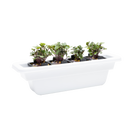
For an indoor hydroponic garden, you need as little as 1 square foot of counter space for a compact unit, or roughly 4–6 square feet of floor space for a full-size freestanding system. Vertical clearance matters just as much as footprint—most leafy greens need at least 18 inches of grow height, while fruiting plants like tomatoes can require 36 inches or more.
Understanding exactly how much space an indoor hydroponic garden requires comes down to three factors: the size of the system you choose, the plants you want to grow, and where in your home you plan to put it. Whether you have a studio apartment or a dedicated spare room, there's a configuration that fits. This guide breaks down the real dimensions so you can plan with confidence.
What Are the Typical Indoor Garden Dimensions and Clearance Requirements?
Every hydroponic garden has two footprints to consider: the horizontal space it occupies and the vertical clearance it needs above it. Skipping the vertical measurement is the most common planning mistake new growers make.
A countertop system like the Personal Rise Garden sits comfortably on a kitchen counter and measures roughly 10 inches wide by 20 inches long—about the same footprint as a large cutting board. It needs approximately 24 inches of vertical clearance to the cabinet above it, which fits under most standard upper cabinets installed at 18 inches above the counter (standard counter height is 36 inches, with upper cabinets typically starting at 54 inches, leaving about 18 inches of usable space—so measure yours before purchasing).
A full-size freestanding system like The Rise Garden 3 occupies roughly 2 feet by 3 feet of floor space—about 6 square feet total—and stands approximately 5 feet tall with its light arms fully extended. That means you need a ceiling height of at least 6 feet to operate it comfortably and access the upper tiers for planting and harvesting.
For a furniture-grade unit designed to blend into a living space, The Rise Loft has a slim profile built to fit against a wall like a bookshelf, with a footprint of about 2 feet deep by 4 feet wide. Its enclosed design also means you don't need to worry about light spill into the surrounding room at night.
Here's a quick reference for indoor garden dimensions:
- Countertop system: ~1–2 sq ft footprint, 24 in. vertical clearance needed
- Full-size floor unit: ~6 sq ft footprint, 6 ft ceiling clearance recommended
- Freestanding furniture-style unit: ~8 sq ft footprint, standard 8 ft ceiling works fine
Where Should You Put an Indoor Hydroponic Garden?
Location affects more than convenience—it directly impacts plant health. The three placement priorities are access to a power outlet, a stable ambient temperature, and a surface or floor that can handle minor water splashes.
The ideal ambient room temperature for most hydroponic crops is between 65°F and 75°F (18°C–24°C). Kitchens and living rooms typically stay within this range year-round. Avoid placing a garden near a heating vent, an exterior door, or a drafty window—temperature swings above 10°F can stress plants and slow growth noticeably.
NASA's Veggie project, which has grown leafy greens aboard the International Space Station since 2014, demonstrated that controlled-environment agriculture can succeed in extremely constrained spaces with the right light spectrum and nutrient delivery—validating the core principles behind home hydroponic systems.
For apartments specifically, the garden footprint question is really a question of workflow. You need enough clearance around the unit to reach in comfortably for planting, topping off the water reservoir, and adding nutrients. A minimum of 12 inches on each accessible side is a practical rule of thumb. In a galley kitchen or small studio, placing the garden at the end of a counter or against a short wall keeps it out of the main traffic path.
How Do You Calculate the Right Garden Footprint in an Apartment?
Start by measuring your available space in three dimensions: width, depth, and height. Then compare those numbers against the system specs before you buy. Here's a simple process:
- Measure the floor or counter area where you plan to put the garden, including clearance to adjacent walls or furniture.
- Measure vertical clearance from the surface to the ceiling or the bottom of any cabinet above.
- Check the outlet distance. Most hydroponic garden light systems use a standard 120V outlet. Keep the unit within 6 feet of an outlet to avoid running extension cords across walking paths.
- Account for access space. You'll be reaching into the garden regularly to swap out seed pods, check roots, and harvest. Leave at least 12 inches of open space in front of or beside the unit.
According to the USDA's Agricultural Research Service, indoor controlled-environment agriculture can produce yields up to 10 times greater per square foot than traditional field farming, largely because vertical stacking multiplies productive area without expanding the horizontal footprint. A three-tier hydroponic unit using 6 square feet of floor space can grow the equivalent output of a much larger outdoor garden bed.
A 2022 analysis of urban food production found that a household using roughly 4–6 square feet of indoor growing space could produce enough leafy greens to cover 30–40% of a two-person household's weekly salad consumption. That's meaningful output from a space smaller than most bathroom rugs.
Frequently Asked Questions
Can I run a hydroponic garden in a closet?
Yes, a standard reach-in closet (typically 24 inches deep by 48–60 inches wide) can fit a compact hydroponic setup. You'll need to run a power line for the grow light and ensure some air circulation—a small USB fan is usually sufficient. Keep ambient temperature in the 65–75°F range for best results.
Does an indoor hydroponic garden need a floor drain or special plumbing?
No. Home hydroponic systems like the ones Rise Gardens makes are self-contained with internal reservoirs. You fill the reservoir manually using a pitcher or small watering can—no plumbing connection required. Placing the unit on a waterproof tray or mat is a good precaution against the occasional small spill during refills.
How much vertical space do herbs need compared to vegetables?
Most herbs—basil, mint, cilantro—stay under 12 inches tall and need about 18 inches of vertical clearance from the grow surface to the light. Larger vegetables like cherry tomatoes or peppers can reach 24–36 inches and need at least 36–48 inches of clearance. Check the mature height of any plant before choosing your grow tier placement.