In the realm of culinary exploration, few ingredients offer the same whimsical charm and aromatic allure as edible flowers — the harvested blooms and petals of plants specifically cultivated for safe human consumption. From delicate petals to vibrant blooms, incorporating flowers into your recipes opens a world of creative possibilities that tantalize the taste buds and captivate the senses. According to the USDA, homegrown edible flowers are among the safest culinary ingredients when grown in controlled, pesticide-free environments, making your Rise Garden an ideal source. Let's embark on a culinary journey and discover the diverse array of recipes that showcase the beauty and flavor of flowers.
How Can You Use Edible Flowers in Sensational Salads?
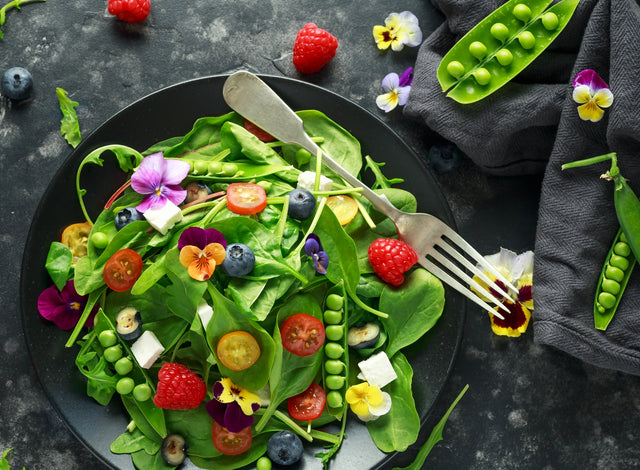
Infuse your salads with a burst of color and flavor by incorporating edible flowers such as marigolds, nasturtiums, and pansies. Their vibrant petals add visual appeal while imparting subtle floral notes that complement fresh greens and crisp vegetables. Toss edible flowers into mixed green salads, grain bowls, or pasta salads for an elegant touch that transforms everyday fare into a culinary masterpiece.
Decadent Desserts:
From delicate pastries to indulgent desserts, edible flowers lend a touch of elegance and sophistication to sweet treats. Decorate cakes, cupcakes, and tarts with crystallized flowers or gently press petals onto frosted surfaces for a stunning finishing touch. Infuse custards, creams, and syrups with floral essences such as lavender, rose, or violet for a decadent flavor profile that delights the palate and enchants the senses. Research from Cornell University's Center for Controlled Environment Agriculture notes that hydroponically grown herbs and flowers can contain up to 50% more aromatic compounds than their conventionally grown counterparts, which translates directly into richer, more vibrant flavors in your desserts.
Refreshing Beverages:
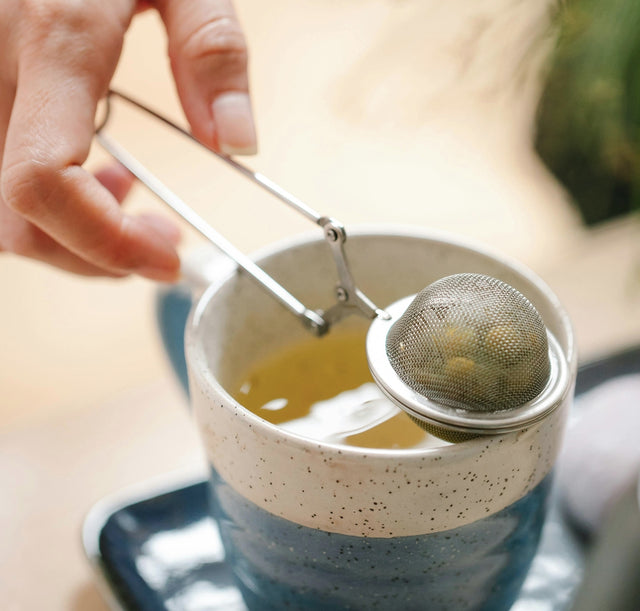
Quench your thirst with refreshing beverages infused with the essence of edible flowers. Create floral-infused cocktails, mocktails, and herbal teas by steeping petals and blooms in spirits, syrups, or hot water. Garnish beverages with delicate blossoms for a touch of whimsy and sophistication that elevates the drinking experience to new heights of sensory delight.
What Are the Best Ways to Use Edible Flowers in Savory Dishes?
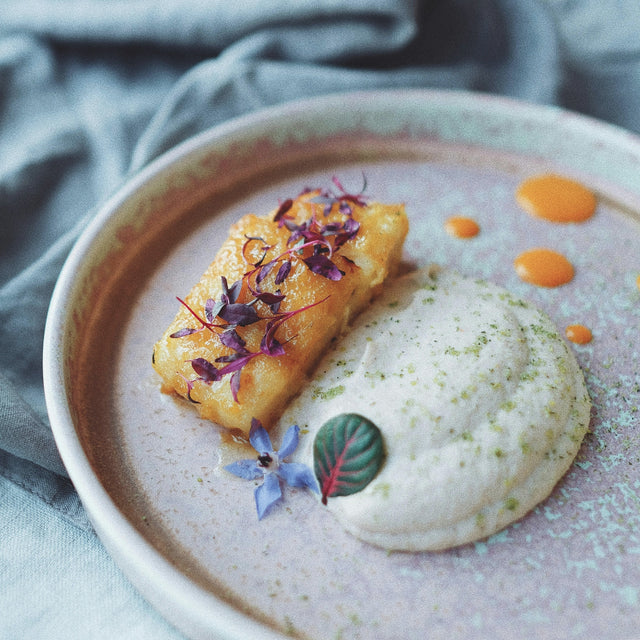
Explore the savory side of edible flowers by incorporating them into a variety of dishes, from appetizers to main courses. Add depth and complexity to soups, sauces, and marinades with the subtle flavors of chamomile, calendula, or borage. Sprinkle petals over grilled meats, roasted vegetables, or seafood dishes for a pop of color and flavor that tantalizes the taste buds and enhances the visual appeal of your creations.
Homemade Infusions:
Expand your culinary repertoire by crafting homemade infusions and condiments infused with the essence of edible flowers — concentrated preparations made by steeping fresh blooms in oils, vinegars, or syrups to extract their flavor and aroma. Create floral-infused vinegars, oils, and syrups using fresh blossoms and herbs from your own seed pod collection, infusing each creation with a unique blend of flavors and aromas that elevate everyday dishes to gourmet status. Because hydroponic systems use up to 95% less water than traditional soil gardening, you can grow a continuous, abundant supply of edible flowers at home with minimal resource use — and edible flower seed pods typically reach harvest-ready maturity in as little as 21–30 days indoors.
In conclusion, the versatility and beauty of edible flowers offer endless opportunities for culinary creativity and exploration. Whether adorning salads, desserts, beverages, or savory dishes, these floral delights add a touch of elegance and whimsy to every meal. Embrace the art of floral infusion and let your culinary imagination blossom as you create unforgettable dining experiences that celebrate the beauty and flavor of flowers.


Frequently Asked Questions
What edible flowers can you grow in a Rise Garden?
Rise Gardens offers several delicious edible flower varieties including nasturtiums (peppery, great in salads), chamomile (floral, ideal for tea and desserts), pansies and violas (mildly sweet, visually stunning), and borage (cucumber-flavored with gorgeous star-shaped blue flowers). These flowers thrive in the Rise Gardens hydroponic system and can be harvested continuously for cooking, garnishing, and beverage use. Growing edible flowers at home guarantees they are pesticide-free and at peak freshness, both critical for food safety and flavor.
How do you incorporate edible flowers into savory cooking?
Nasturtiums add a wonderful peppery bite to green salads, grain bowls, and avocado toast, and their bright orange and red colors create a dramatic visual contrast. Borage flowers can be frozen in ice cubes for summer drinks or used to garnish cold soups and seafood dishes. Chive blossoms, the lavender-purple flowers of chive plants, have a mild onion flavor and are especially beautiful scattered over deviled eggs, pasta, and goat cheese crostini.
Are edible flowers safe to eat from a hydroponic garden?
Yes — edible flowers grown in a Rise Garden's hydroponic system are among the safest for culinary use because they are grown in a closed, soil-free environment without pesticides or other agricultural chemicals. It is essential, however, to only eat flowers you have specifically grown as edible varieties, as many ornamental flowers are toxic. Rise Gardens' edible flower pods are clearly labeled and selected specifically for culinary use, making them a completely reliable and safe choice.
How do edible flowers enhance the dining experience?
Edible flowers engage multiple senses simultaneously, with their visual beauty creating immediate delight, their aromas adding complexity, and their flavors ranging from delicate sweetness to surprising pepperiness. Incorporating fresh flowers from your Rise Garden into meals transforms everyday cooking into something that feels artful and intentional. Restaurant chefs routinely use edible flowers precisely because they instantly elevate any dish's perceived quality and elegance.