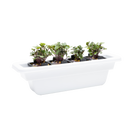
This hydroponic herb compound butter roasted cauliflower recipe transforms a humble head of cauliflower into a showstopping side dish by combining it with compound butter made from herbs you've grown yourself indoors. Compound butter is simply softened butter blended with fresh aromatics — in this case, a generous handful of chives, thyme, parsley, and rosemary harvested straight from a hydroponic garden. When that herb-laden butter melts across hot, caramelized cauliflower florets, the result is rich, savory, and deeply satisfying. If you've been growing herbs hydroponically and wondering how to put them to serious culinary use, this indoor garden cauliflower recipe is exactly where to start.
Why Hydroponically Grown Herbs Make Better Compound Butter
The quality of your compound butter depends almost entirely on the quality of your herbs, and this is where hydroponic growing gives you a genuine edge. Herbs grown in a controlled hydroponic environment — where water, light, and nutrients are precisely managed — consistently produce leaves with higher essential oil concentration than those grown in outdoor garden beds subject to drought, heat stress, or soil nutrient inconsistency.
According to research from the University of Florida IFAS Extension, hydroponic production of culinary herbs can yield up to 25% more biomass per square foot compared to traditional soil-based methods under equivalent light conditions. More biomass means more harvestable leaves, and more essential oils in those leaves translates directly to more flavor in your butter.
For compound butter, the herbs you want to prioritize are:
- Flat-leaf parsley — bright, grassy, high chlorophyll flavor
- Fresh thyme — earthy and slightly floral, pairs beautifully with roasted vegetables
- Chives — mild onion punch without the sharpness of raw garlic
- Rosemary — resinous and bold; use sparingly so it doesn't overwhelm
All four of these herbs grow exceptionally well in hydroponic systems and can be harvested continuously using a cut-and-come-again technique — meaning you snip what you need without pulling the whole plant, and it regrows within days. When you grow with a system like The Rise Garden 3, a full-size indoor hydroponic garden with dedicated grow lights and nutrient delivery, you're giving your herbs ideal conditions season after season.
How to Harvest Herbs for Cooking
For maximum flavor, harvest your herbs a few hours after your grow lights have been on and the plants are actively photosynthesizing. Use clean, sharp scissors and cut stems just above a leaf node — the small bump where a leaf or branch meets the main stem. This encourages branching and fuller regrowth. Never remove more than one-third of a plant at a single harvest.
For this roasted cauliflower with herb butter recipe, you'll need about:
- 3 tablespoons fresh flat-leaf parsley, finely chopped
- 1 tablespoon fresh thyme leaves, stripped from stems
- 2 tablespoons fresh chives, minced
- 1 teaspoon fresh rosemary, very finely minced
That's a realistic single-session harvest from a well-established hydroponic herb setup. The Personal Garden — Rise Gardens' compact countertop hydroponic garden — can grow three herb varieties simultaneously, making it easy to have parsley, thyme, and chives ready at the same time. After harvesting, rinse herbs gently under cool water, pat dry, and chop immediately before adding to softened butter.
Hydroponic Herb Compound Butter Roasted Cauliflower Recipe
The compound butter can be made up to a week ahead and refrigerated, or up to three months ahead and frozen — making this recipe especially practical for weeknight cooking.
Ingredients
For the compound butter:
- 8 tablespoons (1 stick) unsalted butter, softened to room temperature
- 3 tablespoons fresh flat-leaf parsley, finely chopped
- 2 tablespoons fresh chives, minced
- 1 tablespoon fresh thyme leaves
- 1 teaspoon fresh rosemary, very finely minced
- 2 cloves garlic, grated or pressed
- 1 teaspoon lemon zest
- ½ teaspoon fine sea salt
- ¼ teaspoon freshly ground black pepper
For the roasted cauliflower:
- 1 large head cauliflower (about 2.5 lbs), cut into medium florets
- 3 tablespoons of the herb compound butter, melted
- 1 tablespoon olive oil
- ½ teaspoon smoked paprika
- ½ teaspoon kosher salt
- Freshly ground black pepper to taste
- Extra compound butter for finishing (about 1–2 tablespoons)
Instructions
Step 1: Make the compound butter. In a medium bowl, combine the softened butter with all chopped herbs, grated garlic, lemon zest, salt, and pepper. Mix thoroughly with a fork until evenly distributed. Taste and adjust seasoning. Spoon onto plastic wrap, roll into a log, twist the ends to seal, and refrigerate for at least 30 minutes to firm up.
Step 2: Prep and season the cauliflower. Preheat your oven to 425°F (220°C). Line a large rimmed baking sheet with parchment paper. Toss cauliflower florets with the melted herb compound butter, olive oil, smoked paprika, salt, and pepper until every piece is coated.
Step 3: Roast. Spread florets in a single layer on the prepared baking sheet. Do not crowd them — crowding creates steam rather than caramelization. Roast for 25–30 minutes, flipping once at the 15-minute mark, until edges are deeply golden and cut sides have developed a rich brown crust.
Step 4: Finish with butter. Remove from the oven and immediately dot the hot cauliflower with 1–2 thin slices of the remaining compound butter. The residual heat melts the butter onto the florets, creating a glossy, herb-flecked coating. Serve immediately.
Serves: 4 as a side dish
Total time: 45 minutes (plus 30 minutes to chill butter)
Active prep: 15 minutes
Why Does This Hydroponic Herb Compound Butter Roasted Cauliflower Recipe Work So Well?
There are a few reasons this particular combination of technique and ingredients produces such a consistently excellent result. First, cauliflower is an ideal vehicle for compound butter because its dense, porous florets absorb melted fat and aromatics deeply during roasting, rather than letting them slide off the surface. Second, the high oven temperature of 425°F drives rapid caramelization of the cauliflower's natural sugars, creating a nutty, slightly sweet depth of flavor that pairs perfectly with the savory herb butter. Finally, the lemon zest and fresh herbs in the compound butter provide brightness that lifts and balances the richness of the roasted vegetable — something no plain olive oil roast can replicate.
The hydroponic herb advantage is especially apparent in this dish. Because hydroponically grown herbs carry a higher concentration of essential oils, the flavor of the compound butter permeates every floret more assertively than it would with store-bought herbs that have spent days in transit and refrigerated storage. Once you've made this hydroponic herb compound butter roasted cauliflower recipe with freshly harvested homegrown herbs, it's difficult to go back to any other method.
Pairing and Serving Ideas
Once you've made a log of herb compound butter, the applications extend well beyond this single recipe. A few serving ideas that work particularly well with this compound butter blend:
- Alongside roast chicken or pan-seared salmon — the lemon zest and thyme are natural complements to both proteins
- Tossed with roasted fingerling potatoes — same technique, same oven temperature, equally good results
- Melted over grilled corn on the cob — lets the chives and parsley shine
- Stirred into pasta — drop a tablespoon into hot, freshly drained pasta for an instant sauce
- On sourdough toast — serve as a sophisticated appetizer with flaky sea salt on top
For the cauliflower specifically, garnish the finished dish with a few whole thyme sprigs and a squeeze of fresh lemon juice right before serving. The acid brightens the entire dish and cuts through the richness of the butter. If you want to expand your growing capacity, The Rise Loft supports a substantial herb and vegetable growing operation across multiple tiers.
Setting Up Your Hydroponic Herb Garden for Cooking Success
The best thing you can do to make recipes like this a regular part of your routine is to grow a diverse, continuously productive herb collection. Rise Gardens' seed pods make this straightforward — pre-seeded pods drop into any Rise Gardens system and germinate within days. For compound butter production specifically, focus on:
- Parsley (flat-leaf) — slow to germinate (14–21 days) but long-lasting once established; plant first
- Chives — one of the fastest and most prolific growers; excellent for continuous harvest
- Thyme — grows more slowly but produces intensely flavored leaves
- Rosemary — grows slowly but the flavor payoff is enormous; a little goes a long way
Stagger your plantings by one to two weeks so you don't end up with everything peaking at the same time. With a well-managed indoor setup, you can realistically harvest enough fresh herbs every week to keep a log or two of compound butter in the freezer at all times.
Frequently Asked Questions
Can I use dried herbs instead of fresh hydroponic herbs for compound butter?
You can, but the results are notably different. Dried herbs lack the volatile aromatics that give fresh herbs their bright, grassy character. If substituting dried herbs, use roughly one-third the quantity — so 1 tablespoon dried parsley instead of 3 tablespoons fresh. Fresh hydroponically grown herbs produce compound butter with significantly more complexity and vibrancy.
How long does herb compound butter last, and how should I store it?
Herb compound butter wrapped tightly in plastic wrap and refrigerated will keep for up to 7 days. For longer storage, wrap in plastic and then aluminum foil before freezing, where it will keep for up to 3 months. Slice off rounds directly from frozen — no need to thaw the entire log. Label each log with the herb combination and date so you can rotate your stock easily.
What temperature should I roast cauliflower for the best caramelization?
425°F (220°C) is the sweet spot for roasted cauliflower with herb butter. At this temperature, the natural sugars undergo the Maillard reaction quickly enough to create deep golden-brown edges without steaming the interior soft. Make sure the florets are dry before tossing in butter and oil, and spread them in a single layer with space between pieces for best results.
Which herbs grow fastest in a hydroponic system for someone new to indoor gardening?
Chives, basil, and cilantro are consistently the fastest producers in hydroponic systems, often ready for a first harvest within 3 to 4 weeks of germination under proper LED lighting. Chives are particularly forgiving and regrow rapidly after cutting, making them ideal for frequent compound butter production. Parsley and thyme take longer to establish — typically 4 to 6 weeks — but deliver outstanding flavor once they hit their stride.