There's a moment in every indoor gardener's journey when the harvest stops feeling like a hobby and starts feeling like a superpower — and making hydroponic herb compound butter roasted mushrooms is exactly that kind of moment. This recipe combines a classic French technique (compound butter, a softened butter blended with fresh herbs and aromatics) with the vibrant, intensely flavored herbs you can grow year-round in a hydroponic system right on your countertop or in your living room. The result is a deeply savory, pan-roasted mushroom dish that puts every grocery store herb to shame.
Why Homegrown Hydroponic Herbs Make This Dish Exceptional
Before you reach for that plastic clamshell of dried parsley, consider what your indoor garden can deliver. Hydroponic herbs — plants grown in a nutrient-rich water solution rather than soil — are harvested at peak freshness, which means higher concentrations of the volatile aromatic compounds that give herbs their flavor and fragrance. Research from the University of Mississippi found that hydroponically grown basil contained up to 20% more essential oil content compared to soil-grown counterparts under equivalent light conditions, directly translating to more robust flavor in your cooking.
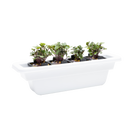
For this recipe, you'll want a combination of fresh thyme, rosemary, flat-leaf parsley, and chives — all of which thrive in a hydroponic environment indoors. If you're growing in a Personal Garden, a compact countertop hydroponic garden, you can easily maintain four to six herb varieties simultaneously and harvest small amounts regularly without cutting the plant back significantly. That "cut-and-come-again" approach means your herbs stay productive for weeks or months, giving you a reliable supply for recipes exactly like this one.
The compound butter itself is simple: softened unsalted butter blended with your freshly snipped herbs, minced garlic, lemon zest, a pinch of flaky salt, and cracked black pepper. Make a batch, roll it in parchment paper into a log, and refrigerate or freeze it. A single log can season a dozen batches of mushrooms — or melt beautifully over a grilled steak, roasted vegetables, or crusty bread.
What Is Compound Butter and How Do You Make It With Hydroponic Herbs?
Compound butter is simply softened butter that has been mixed with other flavoring ingredients — herbs, spices, citrus zest, or aromatics — then re-chilled until firm. It's a foundational technique in French cuisine, traditionally called beurre composé, and it's one of the most efficient ways to pack concentrated herb flavor into a dish without adding liquid or changing the texture of what you're cooking.
Here's a straightforward recipe you can make with herbs harvested directly from your hydroponic garden:
Hydroponic Herb Compound Butter
- 1 stick (½ cup / 113g) unsalted butter, at room temperature
- 2 tablespoons fresh flat-leaf parsley, finely chopped
- 1 tablespoon fresh thyme leaves
- 1 teaspoon fresh rosemary, very finely minced
- 1 tablespoon fresh chives, snipped
- 2 cloves garlic, minced or grated on a microplane
- ½ teaspoon lemon zest
- ½ teaspoon flaky sea salt
- ¼ teaspoon freshly cracked black pepper
Method: Combine all ingredients in a bowl and mix with a fork until fully incorporated. Taste and adjust salt. Turn the butter out onto a sheet of parchment paper, shape into a log about 1.5 inches in diameter, and roll tightly. Twist the ends closed and refrigerate for at least one hour or freeze for up to three months. Slice off rounds as needed.
One thing that makes hydroponically grown herbs particularly useful here: because the plants receive consistent nutrients — the mineral compounds dissolved in the water solution that feed plant roots directly — they tend to produce leaves with uniform texture and flavor rather than the inconsistent quality you sometimes find in grocery store bunches that may have been in cold storage for days.
The Full Indoor Garden Mushroom Recipe: Herb Butter Roasted Mushrooms
This herb butter mushrooms recipe works beautifully as a side dish, a topping for polenta or pasta, or piled on sourdough toast with a fried egg for a weekend brunch worth planning around. Use cremini, shiitake, oyster mushrooms, or a mix — the key is high heat and not overcrowding the pan.
Ingredients (Serves 4)
- 1.5 lbs (680g) mixed mushrooms, cleaned and halved or quartered if large
- 3 tablespoons hydroponic herb compound butter (recipe above), divided
- 1 tablespoon neutral oil (avocado or grapeseed)
- 2 cloves garlic, thinly sliced
- 1 tablespoon soy sauce or tamari
- Salt and pepper to taste
- Fresh parsley and chives for finishing (from your garden)
- Optional: splash of dry white wine or sherry
Instructions
- Preheat your oven to 425°F (220°C). High heat is non-negotiable here. Mushrooms are about 90% water by weight, and a hot oven drives off that moisture quickly, giving you caramelized, golden edges rather than a steamed, rubbery result.
- Prep the mushrooms. Clean them with a dry brush or barely damp cloth — never soak mushrooms, as they'll absorb water and steam instead of roast. Halve or quarter larger pieces so everything is roughly the same size.
- Toss and roast. On a large rimmed baking sheet, toss mushrooms with the oil, sliced garlic, soy sauce, a generous pinch of salt, and black pepper. Spread in a single layer — use two pans if needed. Dot with 1.5 tablespoons of the compound butter, cut into small pieces and distributed across the pan.
- Roast for 20-25 minutes, tossing once halfway through, until deeply golden and slightly crispy at the edges.
- Finish in the pan. Transfer the roasted mushrooms to a skillet over medium heat, add the remaining 1.5 tablespoons of compound butter and the optional wine. Toss for 1-2 minutes until the butter melts into a glossy sauce that coats every mushroom.
- Serve immediately, scattered with freshly snipped chives and parsley straight from your garden.
Which Herbs Grow Best for Homegrown Herb Roasted Mushrooms?
Not every herb performs equally well in a hydroponic environment, and for this specific recipe, you want varieties that are both easy to grow indoors and powerful enough in flavor to hold up against the earthiness of roasted mushrooms.
Thyme is arguably the most important herb in this dish. It has a natural affinity with mushrooms — both share earthy, slightly woodsy flavor notes — and it grows exceptionally well hydroponically. Thyme prefers a slightly lower water pH (around 5.5 to 6.0, where pH refers to the acidity level of the nutrient solution on a scale of 0-14) and doesn't need as much nitrogen as leafy herbs, making it a lower-maintenance addition to your garden.
Flat-leaf parsley is a workhorse in compound butters. It provides fresh, grassy brightness that balances the richness of butter and the umami depth of mushrooms. Parsley grows vigorously in hydroponic systems, often producing harvestable leaves within 3-4 weeks of germination from seed pods.
Chives bring a gentle onion note that rounds out the flavor profile without overpowering anything else. They're among the fastest-sprouting herbs in a hydroponic setup and can be snipped regularly without harming the plant.
Rosemary is the most assertive herb in this blend, so use it sparingly. It's a woody perennial that can take longer to establish in a hydroponic system, but once it does, it's highly productive. EC (electrical conductivity, a measurement of how concentrated the nutrient solution is) for rosemary should be kept on the lower end — around 1.0 to 1.6 mS/cm — to prevent tip burn.
If you're looking to expand your herb growing setup, the The Rise Garden 3 is a full-size indoor hydroponic garden system that accommodates multiple plant varieties across several tiers, giving you the capacity to grow all four of these herbs simultaneously alongside lettuces, greens, and other edibles.
How Does Growing Herbs Hydroponically Compare to Buying From the Store?
It's a fair question, especially when grocery store herbs are widely available. The answer comes down to three factors: freshness, flavor intensity, and cost over time.
According to the USDA Economic Research Service, Americans spend an average of $4.50 to $6.00 per fresh herb bunch at retail, and a significant portion of those bunches are discarded before being fully used. A single bunch of thyme at the store might give you one or two uses before it wilts in the back of your refrigerator. A thyme plant in your hydroponic garden, by contrast, can be harvested repeatedly over many months.
NASA's Veggie project — a long-running research initiative studying plant growth in controlled environments — has documented that plants grown in optimized hydroponic systems under LED lighting can achieve growth rates 25-30% faster than their soil-grown equivalents, thanks to direct root access to dissolved nutrients and consistent light cycles. That means more frequent harvests and a perpetually stocked herb supply for recipes like this one.
For a household that cooks regularly with fresh herbs, growing your own in an indoor hydroponic garden typically pays for itself within the first 3-6 months of consistent use, factoring in the cost of store-bought herbs avoided. And the flavor difference — especially in a preparation as herb-forward as compound butter — is immediately noticeable.
If you want to grow herbs at scale with a design that fits seamlessly into your living space, The Rise Loft is a premium indoor garden with furniture-grade design that integrates into your home without looking like a piece of equipment. It's a particularly good option if you entertain regularly and want your garden to be a conversation piece as much as a kitchen tool.
Tips for Getting the Most Flavor From Your Hydroponic Herb Garden
Growing herbs is straightforward, but a few practices will help you maximize the flavor intensity that makes dishes like homegrown herb roasted mushrooms genuinely special.
Harvest in the morning. Aromatic compounds in herbs are most concentrated early in the day before the plant's heat stress response begins. Even indoors, this timing pattern holds true.
Pinch flowering stems immediately. When herbs like basil or thyme begin to bolt (send up flower stalks), the plant redirects energy from leaf production to reproduction, and flavor in the leaves decreases noticeably. Pinch those flowers off as soon as you see them.
Monitor your nutrient solution regularly. A balanced supply of nutrients — the mineral compounds including nitrogen, phosphorus, potassium, calcium, and magnesium dissolved in your reservoir water — is what drives healthy, flavorful leaf production. Nutrient-deficient plants produce smaller, paler leaves with diminished aromatic oils.
Give herbs adequate light. Most culinary herbs need 14-16 hours of light per day to thrive indoors. Rise Gardens systems use full-spectrum LED lighting tuned to the wavelengths plants use most efficiently for photosynthesis, so you don't need to manage this manually.
Don't over-harvest. A good rule of thumb is to never remove more than one-third of a plant's leaves at a single harvest. This keeps the plant healthy and productive for the long term.
Frequently Asked Questions
Can I use dried herbs instead of fresh hydroponic herbs for compound butter?
You can use dried herbs in a pinch, but the flavor will be noticeably less vibrant. Dried herbs have lost most of their volatile aromatic oils during the drying process, which means you'll need roughly three times the quantity to approximate the same intensity — and the texture of the butter will be grainier. Fresh herbs from a hydroponic garden produce compound butter with a cleaner, brighter flavor that's worth the extra step of growing your own.
What types of mushrooms work best for roasted herb butter mushrooms?
Cremini and baby bella mushrooms are the most accessible and hold up beautifully to high-heat roasting with good browning. Shiitake mushrooms add a deeper, more complex umami note and pair especially well with thyme-forward compound butter. Oyster mushrooms roast quickly and develop crispy edges. A mix of all three gives you the best range of textures and flavors in a single pan.
How long does hydroponic herb compound butter last?
Wrapped tightly in parchment and stored in the refrigerator, herb compound butter stays fresh for up to two weeks. In the freezer, it keeps well for up to three months — just slice off a round directly from the frozen log as needed. Label the log with the date and herb combination, especially if you make multiple varieties.
Which herbs are easiest to grow in a hydroponic indoor garden for cooking?
Basil, chives, and mint are consistently the fastest-establishing and most productive herbs in a hydroponic setup, making them ideal starting points for new growers. Parsley and thyme take slightly longer to establish but are highly rewarding once mature. Rosemary is the slowest of the commonly used culinary herbs but becomes a prolific producer once its root system develops fully in a hydroponic environment.