This hydroponic herb compound butter roasted turkey recipe transforms your Thanksgiving centerpiece into something truly extraordinary — using fresh, homegrown herbs harvested straight from your indoor hydroponic garden. Compound butter is simply softened butter blended with fresh herbs, aromatics, and seasonings, then slathered under and over the turkey skin before roasting. The result is a deeply flavored, golden-brown bird that tastes like it came from a professional kitchen. When those herbs are grown hydroponically indoors, you get peak-flavor leaves harvested at their most potent — no wilted supermarket bundles required.
Why Fresh Herbs From Your Indoor Garden Make the Best Turkey Butter
There's a measurable difference between fresh and dried herbs, and it matters most in a recipe like this. Fresh herbs contain volatile aromatic compounds — including linalool, thymol, and carvacrol — that begin to degrade the moment the plant is cut. According to research published by the University of California Cooperative Extension, fresh herbs can lose up to 60% of their essential oils within 24 hours of harvest when stored improperly at room temperature. Herbs cut and used within minutes of harvest retain virtually all of those flavor compounds.
That's where your indoor hydroponic garden becomes a genuine culinary asset. Hydroponics is a soil-free growing method in which plant roots are delivered a precisely balanced water-and-nutrient solution directly, allowing plants to grow up to 30–50% faster than traditional soil gardening, according to studies supported by the NASA Veggie project on controlled-environment agriculture. Growing herbs hydroponically indoors means you can harvest rosemary, thyme, sage, and parsley on Thanksgiving morning — not three days before when you're scrambling at the grocery store.
This is what makes the fresh herb turkey butter in this recipe genuinely different. The aromatic punch you get from just-harvested rosemary and thyme is incomparable, and your guests will notice the difference even if they can't explain why.
The Best Herbs to Grow Hydroponically for a Holiday Roast
For this homegrown herb holiday roast, you'll want to plan your garden about 4–6 weeks before Thanksgiving to ensure a full, harvestable crop of the herbs below. All of these thrive in hydroponic systems and grow beautifully under LED grow lights.
- Rosemary: Bold, piney, and resinous — the backbone of any poultry butter. Rosemary takes slightly longer to establish, so start your seed pods 6 weeks out if possible.
- Thyme: Earthy and slightly floral, thyme pairs beautifully with butter and garlic. It's one of the fastest-growing herbs in a hydroponic setup.
- Sage: Classic Thanksgiving flavor. Sage leaves hold up beautifully under the skin of the turkey during roasting.
- Flat-Leaf Parsley: Brightens the compound butter and adds freshness to balance the richer, woodsier herbs.
- Chives: Optional, but they add a gentle onion note that complements garlic and shallot in the butter.
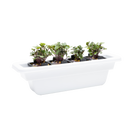
If you're growing in a compact space, the Personal Garden is a countertop hydroponic system perfectly sized for growing 4–6 herb varieties simultaneously — enough to supply this entire recipe and then some. For larger harvests or if you're cooking for a crowd, the The Rise Garden 3 gives you a full-size multi-tier growing system with space for dozens of pods at once.
What Is Compound Butter and How Does It Work on Turkey?
Compound butter is a preparation technique with roots in classic French cuisine. It's made by whipping softened unsalted butter together with finely chopped herbs, garlic, citrus zest, salt, and pepper until fully combined. The mixture is then either used immediately or rolled into a log shape in plastic wrap and refrigerated until firm.
On turkey, compound butter works in two ways. First, it's applied under the skin by carefully separating the skin from the breast and thigh meat with your fingers and spreading the butter directly against the meat. This bastes the meat from the inside as it roasts, keeping it moist and infusing every bite with herbed flavor. Second, the exterior of the turkey is rubbed with additional compound butter, which crisps and caramelizes the skin to that deep mahogany color everyone is chasing.
The USDA recommends roasting a whole turkey at a minimum internal temperature of 165°F (74°C) measured at the thickest part of the thigh, away from the bone. The fat content in compound butter actually helps the turkey reach this temperature while retaining more moisture than a dry-rubbed or un-buttered bird.
Hydroponic Herb Compound Butter Roasted Turkey Recipe
This indoor garden thanksgiving recipe is designed for a 12–15 lb whole turkey, which serves 10–14 people. Scale the compound butter up or down as needed.
Compound Butter Ingredients
- 2 sticks (1 cup / 227g) unsalted butter, softened to room temperature
- 3 tablespoons fresh rosemary leaves, finely minced
- 3 tablespoons fresh thyme leaves, stems removed
- 2 tablespoons fresh sage leaves, finely minced
- 2 tablespoons fresh flat-leaf parsley, finely chopped
- 1 tablespoon fresh chives, thinly sliced (optional)
- 6 cloves garlic, minced or pressed
- 1 shallot, finely minced
- Zest of 1 lemon
- 1½ teaspoons kosher salt
- ½ teaspoon freshly cracked black pepper
Turkey Ingredients
- 1 whole turkey, 12–15 lbs, thawed and patted thoroughly dry
- 1 lemon, halved
- 1 head of garlic, halved crosswise
- 4–5 fresh herb sprigs (rosemary, thyme, sage) for the cavity
- 1 large yellow onion, quartered
- 2 cups chicken or turkey stock for the roasting pan
Instructions
- Harvest your herbs the morning of cooking. Rinse gently under cool water, shake dry, and pat with a paper towel. Mince immediately before making the butter to preserve maximum aroma.
- Make the compound butter. In a medium bowl, combine softened butter with all minced herbs, garlic, shallot, lemon zest, salt, and pepper. Mix vigorously with a fork or rubber spatula until fully uniform. Taste and adjust salt as needed.
- Dry-brine the turkey (optional but recommended): Pat the turkey completely dry with paper towels. Season the cavity and exterior generously with kosher salt 1–3 days ahead and refrigerate uncovered. This step is separate from the butter and dramatically improves skin crispness.
- Apply the compound butter. Remove the turkey from the refrigerator 1 hour before roasting to take the chill off. Using your fingers or a small offset spatula, carefully loosen the skin from the breast and thighs without tearing it. Push about two-thirds of the compound butter under the skin, spreading it as evenly as possible. Rub the remaining butter over the entire exterior of the bird.
- Stuff the cavity with the halved lemon, halved garlic head, fresh herb sprigs, and quartered onion. These aromatics perfume the meat from the inside and create a flavorful base for pan drippings.
- Roast the turkey. Place the turkey breast-side up on a rack in a roasting pan. Pour the stock into the pan. Roast at 425°F (220°C) for the first 30 minutes for skin crisping, then reduce heat to 325°F (165°C) for the remainder of roasting. Plan for approximately 13–15 minutes per pound at 325°F for an unstuffed bird.
- Check doneness. Use an instant-read thermometer inserted into the thickest part of the thigh (not touching bone). The USDA-safe minimum internal temperature is 165°F (74°C). The breast should also read at least 165°F.
- Rest before carving. Transfer the turkey to a cutting board and tent loosely with aluminum foil. Rest for a minimum of 30 minutes — up to 45 minutes for larger birds. This allows juices to redistribute throughout the meat.
How Do You Grow Enough Herbs Indoors to Cover the Holidays?
One of the most common questions home cooks have is whether a small indoor garden can genuinely produce enough herbs for holiday cooking — and the answer is yes, with a little planning. A single mature rosemary plant grown hydroponically can yield 3–5 tablespoons of fresh leaves per week once established. Thyme and parsley are even more prolific, regularly producing harvestable growth within 3–4 weeks of germination under proper LED lighting.
The key to a generous herb harvest is starting early and using a system that gives plants consistent light and properly balanced nutrients. In hydroponics, nutrients are delivered as a liquid solution directly to the root zone, which is why hydroponic plants grow faster and produce more densely than soil-grown counterparts in the same amount of time. Maintaining a nutrient solution pH between 5.5 and 6.5 — the ideal range for most culinary herbs — ensures plants can absorb everything they need without deficiency.
If you want the most robust herb garden with furniture-grade aesthetics for your home, The Rise Loft is a premium indoor hydroponic system designed to sit beautifully in living spaces while delivering serious growing performance. It's the kind of garden that earns a place in your dining room or kitchen — and keeps your herbs within arm's reach all through the holiday season.
A practical harvest schedule for Thanksgiving: plant rosemary and sage 6 weeks before the holiday, thyme and parsley 4 weeks out, and chives 3 weeks out. This staggers your growth so everything peaks near the same time.
Tips for Making Compound Butter Ahead and Storing It
One of the most practical advantages of compound butter is that it can be made entirely in advance. Once your herbs are minced and the butter is mixed, roll the compound butter into a tight log using plastic wrap, twist the ends closed, and refrigerate for up to 5 days or freeze for up to 3 months. This means you can harvest your herbs from your indoor garden the week before Thanksgiving, make the butter, freeze it, and have one less task on the big day.
To use from frozen, transfer the log to the refrigerator 24 hours before you need it and allow it to soften at room temperature for 30–60 minutes before applying to the turkey. The herb flavor actually deepens slightly after a few days in the refrigerator as the aromatics infuse throughout the butter — a pleasant bonus of making it ahead.
Leftover compound butter is also exceptional on roasted vegetables, mashed potatoes, dinner rolls, and grilled corn. If you're hosting a full Thanksgiving spread, make a double batch — you'll find uses for every tablespoon.
Frequently Asked Questions
Can I use dried herbs instead of fresh for compound butter?
You can use dried herbs in a pinch, but the flavor difference is significant. Fresh herbs contain volatile aromatic oils that dried herbs lose during the dehydration process — research from the University of California Cooperative Extension shows fresh herbs can retain up to 40% more of their essential oils than commercially dried equivalents. If you must substitute, use one-third the amount of dried herbs called for, since dried herbs are more concentrated by volume.
How far in advance can I apply compound butter to the turkey?
You can apply the compound butter up to 24 hours before roasting. After applying, leave the turkey uncovered in the refrigerator — this further dries the skin and results in a crispier exterior. Just bring the turkey to room temperature for about an hour before it goes into the oven so it cooks more evenly.
What hydroponic system is best for growing herbs for holiday cooking?
For a small household growing 4–6 herb varieties, the Personal Garden is an ideal countertop option that fits easily in a kitchen. If you want to grow more variety or volume — enough for multiple recipes and holiday gatherings — the The Rise Garden 3 gives you significantly more growing capacity with a multi-tier design. Both systems use the same nutrient delivery principles and LED grow light technology.
What pH should I maintain for growing culinary herbs hydroponically?
Most culinary herbs — including rosemary, thyme, sage, and parsley — thrive at a nutrient solution pH between 5.5 and 6.5. Keeping pH within this range ensures your plants can absorb the full spectrum of macro and micronutrients available in the solution. Rise Gardens nutrient formulas are designed to work within this range, and monitoring pH weekly with a simple pH meter keeps your herbs growing at peak health.