A hydroponic salsa verde recipe is exactly what it sounds like: a bright, tangy green salsa made from ingredients you grow yourself in a soil-free, water-based growing system right inside your home. Salsa verde — Spanish for "green sauce" — traditionally features tomatillos as its base, layered with fresh peppers, garlic, cilantro, and lime. When those ingredients come straight from your indoor hydroponic garden, the flavor is noticeably more vibrant, the nutrients are at their peak, and the satisfaction is off the charts. If you've been growing herbs and peppers in your home garden system and wondering what to make with them, this recipe is your answer.
Why Grow Salsa Verde Ingredients Hydroponically?
Hydroponics is a method of growing plants in a nutrient-rich water solution rather than soil. Plants receive everything they need — water, oxygen, and a precisely measured blend of nutrients — delivered directly to their roots. The result is faster growth, less water waste, and produce that's harvested at peak freshness.
According to the USDA Economic Research Service, Americans consume an average of 8 pounds of salsa per person per year, making it the most popular condiment in the United States by volume. When you grow the ingredients yourself, you control every variable: no pesticides, no weeks-old produce shipped from across the country, and no compromises on flavor.
Research from NASA's Veggie Project — the space agency's ongoing program to grow food in controlled environments — has demonstrated that hydroponically grown leafy greens and herbs can contain equivalent or higher concentrations of key antioxidants compared to soil-grown counterparts, largely because growers can fine-tune nutrient delivery throughout each growth stage.
For salsa verde specifically, this matters. Tomatillos grown in a dialed-in hydroponic system tend to have a more concentrated tartness. Cilantro harvested fresh — not wilted from days in a refrigerator — delivers a brighter, more aromatic punch. Serrano or jalapeño peppers picked at exactly the right ripeness give you precise control over heat level. Every element of your fresh herb salsa from your indoor garden improves when the source is just a few feet away.
What Hydroponic Plants Work Best in a Salsa Verde?
The good news is that nearly every ingredient in a classic salsa verde thrives in an indoor hydroponic system. Here's a breakdown of the key players and why each one performs so well:
- Tomatillos: These compact, lantern-husked fruits are in the nightshade family and grow similarly to cherry tomatoes in a hydroponic setup. They prefer a slightly acidic pH between 5.5 and 6.5 — well within the sweet spot for most hydroponic systems — and produce prolifically indoors. A homegrown tomatillo recipe starts here.
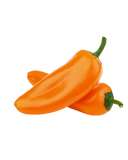
- Serrano or Jalapeño Peppers: Both are excellent hydroponic candidates. Peppers thrive in consistent temperatures between 70–85°F and respond well to stable nutrient delivery. Your hydroponic pepper and herb sauce gets its heat from these.
- Cilantro: One of the fastest-growing herbs in hydroponics, cilantro can be ready to harvest in as little as 3–4 weeks from transplant. Because it bolts quickly in heat, the cooler, controlled environment of an indoor garden actually extends its productive window significantly.
- Garlic (or Green Garlic): While full garlic bulbs are difficult to grow hydroponically, green garlic shoots are easy and deliver the same sharp, savory flavor in a salsa verde.
- Green Onion / Scallion: Fast-growing and low-maintenance, scallions add mild allium depth to the sauce without overpowering the tomatillo base.
- Serrano Peppers: For those who want a sharper, more citrus-forward heat than jalapeño, serranos are a fantastic hydroponic choice and grow robustly indoors.
All of these ingredients are available as seed pods designed specifically for Rise Gardens systems, making it simple to plan and grow a full salsa verde garden in one dedicated setup.
How to Grow a Salsa Verde Garden Indoors: Setup Tips
Before you get to the recipe, you need the harvest. Setting up your indoor garden for salsa verde success takes a bit of planning, but it's straightforward once you understand the basics.
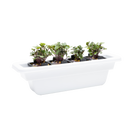
Choose the right system for your space. If you have counter space and want to start small, the Personal Garden is a compact countertop hydroponic garden that holds up to 10 pods — enough for a rotation of herbs and one or two pepper plants. For a more ambitious salsa garden with tomatillos, peppers, and a full herb collection growing simultaneously, the The Rise Garden 3 is a full-size indoor hydroponic garden system with multiple tiers that gives you the vertical space and pod count to grow everything at once. If you want a system that looks as good as it performs, The Rise Loft is a premium indoor garden with furniture-grade design that fits beautifully in a kitchen or living space — right where you'll use your harvest.
Dial in your water chemistry. Hydroponics works best when your reservoir pH stays between 5.5 and 6.5. For nightshades like tomatillos and peppers, aim for the slightly higher end of that range (6.0–6.5). Electrical conductivity (EC) — the measure of dissolved nutrients in your water — should sit between 2.0 and 3.5 mS/cm for fruiting plants. Herbs like cilantro prefer a lighter nutrient solution, around 1.6–2.0 mS/cm.
Timing your harvest window. Because different plants mature at different speeds, stagger your pod plantings. Start cilantro and green onions 4–6 weeks after your pepper and tomatillo pods, so everything comes in at roughly the same time for your first salsa harvest. A University of Arizona Controlled Environment Agriculture Center study found that hydroponic herb yields can be 3–5 times higher per square foot than field-grown equivalents, meaning even a small indoor setup can keep you in salsa ingredients consistently.
The Hydroponic Salsa Verde Recipe
Once your ingredients are ready to harvest, this recipe comes together in under 30 minutes. The flavors are bright, layered, and deeply fresh — a world apart from anything in a jar.
Yield: About 2 cups | Prep time: 15 minutes | Cook time: 10 minutes
Ingredients:
- 1 lb fresh tomatillos (husked and rinsed) — about 8–10 medium fruits from your indoor garden
- 2–3 serrano or jalapeño peppers (adjust to your heat preference)
- 3 cloves garlic or 4–5 green garlic shoots
- ½ cup fresh cilantro leaves and tender stems, loosely packed
- ¼ cup white onion or 3 scallions, roughly chopped
- 2 tablespoons fresh lime juice
- ½ teaspoon kosher salt (adjust to taste)
- 2 tablespoons water (if blending)
Instructions:
- Roast your tomatillos and peppers. Place husked tomatillos and whole peppers on a foil-lined baking sheet. Broil on high for 5–7 minutes, turning once, until charred in spots and softened. This step builds depth — the char balances the tomatillo's natural tartness.
- Char the garlic. Add garlic cloves or shoots to the broiler pan for the last 2–3 minutes. You want a golden-brown exterior without burning.
- Blend. Transfer roasted tomatillos, peppers (stemmed, with seeds if you want heat), garlic, cilantro, onion or scallions, lime juice, and salt to a blender or food processor. Pulse to your preferred texture — chunky for dipping, smoother for drizzling. Add water one tablespoon at a time if needed.
- Taste and adjust. Fresh, homegrown ingredients are more potent than store-bought. Taste before adding extra salt or lime — you may need less than you think.
- Rest before serving. Let the salsa sit for at least 15 minutes at room temperature before serving. This resting period allows the flavors — especially the roasted peppers and fresh cilantro — to meld and deepen.
Serving ideas: This fresh herb salsa from your indoor garden is exceptional with grilled chicken, spooned over fish tacos, stirred into a bowl of black beans, or used as a base for enchiladas verdes. It keeps in the refrigerator for up to 5 days in an airtight jar — though it rarely lasts that long.
Can You Grow Tomatillos Indoors Year-Round?
Yes — and this is one of the most compelling reasons to use a hydroponic system for a homegrown tomatillo recipe. Outdoors, tomatillos are warm-season plants that grow only during summer months in most of the U.S. Indoors under full-spectrum LED grow lights, they have no off-season. Your system provides consistent light (typically 14–16 hours per day for fruiting plants), stable temperatures, and uninterrupted nutrient delivery regardless of what's happening outside.
One practical note: tomatillos require cross-pollination to set fruit. Outdoors, bees handle this. Indoors, you'll need to hand-pollinate by gently shaking flowering branches or transferring pollen between flowers with a soft brush or cotton swab. Do this every 2–3 days when plants are in bloom and you'll see fruit set reliably.
On average, a hydroponically grown tomatillo plant begins producing harvestable fruit approximately 70–80 days from transplant — comparable to outdoor growing times but without any seasonal limitations. A single plant in a well-maintained hydroponic system can yield 1–2 pounds of tomatillos per month during peak production.
Tips for Customizing Your Hydroponic Pepper and Herb Sauce
One of the best parts of making salsa verde from your own indoor garden is the freedom to experiment. Your hydroponic pepper and herb sauce doesn't have to follow one rigid formula. Here are a few variations worth trying:
- Avocado salsa verde: Blend in half a ripe avocado after the roasting step for a creamy, guacamole-style sauce with more body. This version is exceptional as a drizzle over scrambled eggs.
- Smoked serrano version: Instead of broiling, smoke your peppers and tomatillos on a grill or with a stovetop smoker for 15–20 minutes before blending. The smoky depth paired with the brightness of fresh cilantro is remarkable.
- Herb-forward variation: Double the cilantro and add a small handful of fresh epazote if you're growing it — this traditional Mexican herb has an earthy, slightly medicinal flavor that is completely at home in a green salsa.
- Mild family-friendly version: Use poblano peppers in place of serranos. Roast, peel, and seed the poblanos before blending for a rich, mild green sauce with almost no heat.
- Add Thai basil: A small handful of Thai basil leaves adds an unexpected anise note that makes this sauce work beautifully with grilled shrimp or over rice noodles — a cross-cultural twist that works surprisingly well.
Your indoor garden makes experimentation low-cost and fast. When you can harvest fresh herbs in small amounts exactly when you need them, trying a new variation doesn't require a grocery trip or any waste.
Frequently Asked Questions
Can I grow tomatillos in a countertop hydroponic system?
Tomatillos can be started in a compact countertop system like the Personal Garden, but they grow tall and require support as they mature. For best results with full tomatillo production, a larger multi-tier system with vertical space — like The Rise Garden 3 — gives them room to thrive. Pruning the plant to a single main stem also helps manage size in a smaller setup.
How long does homemade salsa verde last in the refrigerator?
Properly stored in an airtight container, fresh salsa verde made from homegrown ingredients lasts 4–5 days in the refrigerator. The lime juice and the natural acidity of tomatillos help preserve the sauce. For longer storage, freeze it in ice cube trays and transfer to a zip-lock bag — frozen salsa verde holds quality for up to 3 months.
What nutrients do pepper and tomatillo plants need in a hydroponic system?
Fruiting plants like peppers and tomatillos are heavy feeders that require higher levels of phosphorus and potassium during their flowering and fruiting stages, along with steady nitrogen during vegetative growth. Using a complete hydroponic nutrient formula — specifically designed for fruiting plants rather than leafy greens — is essential for good yields. Rise Gardens nutrients are formulated to support both the vegetative and fruiting stages of growth in a single easy-to-use system.
Do I need special equipment to make salsa verde from hydroponically grown ingredients?
No special equipment is required beyond a standard kitchen blender or food processor and a baking sheet for roasting. The ingredients themselves are the upgrade — hydroponically grown tomatillos, peppers, and fresh herbs produce a salsa with noticeably brighter flavor and firmer texture than store-bought produce because they're harvested at true peak ripeness and used immediately. A broiler or gas burner for charring is helpful but not strictly necessary; you can also roast everything in a 450°F oven for 15 minutes with excellent results.