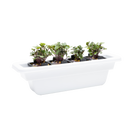
A hydroponic shakshuka recipe is exactly what it sounds like: the classic Middle Eastern and North African egg dish — eggs poached in a spiced, herb-forward tomato sauce — made with produce you grew yourself indoors, without soil. Shakshuka has earned its place on brunch tables worldwide, but when you swap store-bought tomatoes and limp grocery-store herbs for homegrown hydroponic produce, the flavor difference is genuinely striking. This guide walks you through growing the key ingredients in your indoor garden and then turning them into a deeply satisfying, restaurant-quality meal any day of the week.
Why Hydroponic Tomatoes Make the Best Shakshuka
Shakshuka lives or dies on its tomato base. Watery, flavorless tomatoes produce a thin, uninspired sauce. Tomatoes grown hydroponically, on the other hand, are harvested at peak ripeness — something that commercial supply chains almost never allow.
According to USDA post-harvest research, tomatoes picked ripe on the vine contain significantly higher concentrations of lycopene, vitamin C, and flavor-active compounds compared to those harvested early for shipping. When you grow cherry or roma tomatoes in a system like The Rise Garden 3, you pick them the morning you cook. That timing alone transforms your sauce.
Hydroponics — a method of growing plants in a nutrient-rich water solution rather than soil — gives you precise control over what your plants receive. Tomato plants in a well-maintained hydroponic system with a pH between 5.8 and 6.3 and an electrical conductivity (EC) of 2.0–3.5 mS/cm tend to produce fruit with concentrated sugars and acidity, which is exactly the flavor profile you want for a homegrown tomato shakshuka. EC, or electrical conductivity, measures how much dissolved nutrients are present in your water — higher values within the recommended range generally support more robust fruiting.
A 2021 study from the University of Arizona's Controlled Environment Agriculture Center found that hydroponically grown tomatoes produced up to 11 times more yield per square foot than field-grown tomatoes — meaning even a compact indoor setup can give you enough fruit to cook with regularly.
What Herbs Grow Best for a Fresh Herb Shakshuka From a Hydroponic Garden?
Traditional shakshuka calls for fresh parsley, and many cooks add cilantro, basil, or even mint at the finish. All of these herbs are among the fastest and most rewarding plants to grow hydroponically indoors.
Here's a quick breakdown of what to grow and why each earns its spot in this dish:
- Flat-leaf parsley: The classic garnish. Ready to harvest in as little as 3–4 weeks from seed pods in a hydroponic setup, and it regrows quickly when you snip it correctly.
- Cilantro: Adds brightness and a citrusy edge. Grows best in cooler conditions (65–70°F) — ideal for most indoor environments.
- Basil: Not traditional, but beautiful in a shakshuka with Italian-leaning spices. Basil thrives hydroponically, producing lush leaves in 4–6 weeks.
- Mint: A few torn leaves over the finished dish adds an unexpected lift that works especially well in North African-style shakshuka with harissa.
If you're starting out, the Personal Garden is a compact countertop hydroponic garden that holds up to 10 plant pods — more than enough to run a dedicated herb rotation alongside one or two tomato plants. You can use Rise Gardens seed pods to get parsley, cilantro, and basil started at the same time so they're ready together when your tomatoes are producing.
How to Grow Tomatoes Indoors for This Recipe
Growing tomatoes hydroponically at home is straightforward once you understand what the plant needs. Tomatoes are heavy feeders, which means they consume nutrients faster than herbs or leafy greens. Rise Gardens nutrient solutions are formulated with the macro and micronutrients tomatoes need — nitrogen, phosphorus, potassium, calcium, and magnesium among them — so you don't need to troubleshoot custom formulas.
A few key growing tips for shakshuka-worthy tomatoes:
- Light: Tomatoes need 14–18 hours of light per day. Rise Gardens LED grow lights are calibrated to deliver the right spectrum for fruiting plants — you don't need to adjust anything manually.
- Temperature: Aim for 65–80°F. Most home environments fall right in this range.
- Pollination: Indoors, there are no bees. Give your tomato plants a gentle shake once a day when they're flowering, or use a small electric toothbrush against the flower stem to mimic the vibration bees produce. This step is critical for fruit set.
- Pruning: Remove suckers — the small shoots that form in the V between the main stem and a branch — to redirect energy toward fruit production.
Cherry tomato varieties like Tiny Tim or Red Robin are particularly well-suited to indoor hydroponic systems because they stay compact, produce prolifically, and ripen quickly. You can expect your first harvest roughly 60–80 days after transplanting your seedling.
For a larger grow with space for tomatoes, peppers (another great shakshuka ingredient), and a full herb section, The Rise Loft is a premium indoor garden with furniture-grade design — it holds 3 full growing trays and fits naturally into a living space without looking like a piece of lab equipment.
The Hydroponic Shakshuka Recipe
This indoor garden egg recipe serves 2–4 people and takes about 30 minutes from prep to table, assuming your tomatoes and herbs are already harvested. The spice blend here leans classic, but notes for variation are included.
Ingredients
- 2 cups cherry tomatoes (halved) or 4 medium roma tomatoes (roughly chopped), fresh from your hydroponic garden
- 1 red bell pepper, diced (hydroponic-grown if you have it)
- 1 medium yellow onion, diced
- 4 cloves garlic, minced
- 3 tablespoons olive oil
- 1 teaspoon ground cumin
- 1 teaspoon smoked paprika
- ½ teaspoon ground coriander
- ¼ teaspoon cayenne pepper (adjust to taste)
- 1 tablespoon tomato paste
- Salt and black pepper to taste
- 4–6 large eggs
- ½ cup crumbled feta cheese (optional but excellent)
- Generous handful of fresh parsley and cilantro, chopped — straight from your hydroponic herb section
- Crusty bread or pita for serving
Instructions
- Build the base: Heat olive oil in a large skillet or shallow braising pan over medium heat. Add the onion and bell pepper and cook, stirring occasionally, until softened — about 7 minutes. Add the garlic and cook for another 60 seconds.
- Bloom the spices: Add the cumin, paprika, coriander, and cayenne directly to the pan. Stir constantly for 30 seconds. This step — called blooming — activates fat-soluble flavor compounds in the spices. The difference between bloomed and unbloomed spices in the finished dish is noticeable.
- Add the tomatoes: Stir in the tomato paste, then add your fresh hydroponic tomatoes. Season with salt and pepper. Reduce heat to medium-low and let the sauce simmer, stirring occasionally, for 12–15 minutes. Your fresh homegrown tomatoes will break down faster than canned tomatoes — watch the texture and remove from heat when the sauce is jammy but not dry.
- Add the eggs: Use a spoon to create small wells in the sauce, one per egg. Crack an egg into each well. Cover the pan and cook until the whites are just set but the yolks are still runny — about 5–7 minutes. If you prefer fully set yolks, add 2 more minutes.
- Finish and serve: Scatter feta over the top if using, then pile on your fresh herb shakshuka garnish — parsley, cilantro, or whatever you have from your hydroponic garden. Serve directly from the pan with warm bread for scooping.
Variations
- Harissa shakshuka: Substitute 1–2 tablespoons of harissa paste for the dried spices for a Tunisian-style version.
- Green shakshuka: Replace the tomato base with a blend of hydroponic spinach, Swiss chard, and tomatillos for a vibrant, herb-forward alternative.
- Shakshuka with feta and basil: Use your hydroponic basil instead of parsley for a Mediterranean twist that pairs beautifully with the tomato-egg combination.
Is Homegrown Shakshuka Actually More Nutritious?
There's a real nutritional argument for cooking with produce you grew at home. The USDA's Agricultural Research Service has documented that many fruits and vegetables begin losing water-soluble vitamins like vitamin C and folate within 24–48 hours of harvest. By the time a tomato from a conventional grocery store reaches your pan, it may have spent 4–7 days in transit and storage.
When you harvest tomatoes from your indoor hydroponic garden the same morning you cook — a practice NASA's Veggie project has studied as part of its work on food systems for long-duration spaceflight — you retain nearly all of that nutritional value. NASA researchers have specifically highlighted the importance of harvest-to-consumption time as a key variable in food nutrient density, a finding that applies just as well to your kitchen as to the International Space Station.
Additionally, because hydroponic plants grow in a controlled nutrient solution rather than soil, growers can ensure consistent mineral delivery throughout the plant's life cycle — which supports predictable, reliable nutritional output in the harvested produce.
Tips for Getting the Most Out of Your Indoor Garden Egg Recipe
A few finishing notes to help you get maximum enjoyment from this recipe and your growing setup:
- Harvest herbs in the morning: Essential oil concentration in herbs like parsley and cilantro peaks in the early part of the day, before heat causes volatilization. Your fresh herb shakshuka from your hydroponic garden will taste more vivid if you pick herbs just before cooking.
- Don't rush the sauce: The simmer step is where flavor concentrates. Under-cooked tomato sauce tastes sharp and thin. Give it the full 12–15 minutes.
- Egg timing is personal: Runny yolks create a richer, saucier final dish. Fully set yolks are more practical if you're serving kids or prefer a firmer texture. Neither is wrong — just cover or uncover the pan to control it.
- Use your whole harvest: If your tomato plants produce more than you can use fresh, simmer a large batch of the tomato-pepper-spice base and freeze it in portions. You can pull it out on a weeknight, reheat, and crack in eggs for a 10-minute dinner.
- Rotate your herb pods: Start new parsley and cilantro pods every 3–4 weeks so you always have a fresh crop coming up as your older plants hit the end of their productive cycle.
Frequently Asked Questions
Can I grow all the ingredients for shakshuka hydroponically indoors?
Yes — tomatoes, bell peppers, parsley, cilantro, and basil all grow well in indoor hydroponic systems. Onions and garlic are technically possible but require more space and a longer grow time, so most indoor gardeners source those from the grocery store while growing the tomatoes and herbs at home. The flavor impact is largest with the tomatoes and fresh herbs anyway.
How many tomatoes do I need to grow for one batch of shakshuka?
A single batch serving 2–4 people uses about 2 cups of cherry tomatoes or 4 medium roma tomatoes. A healthy hydroponic cherry tomato plant can produce 1–2 pounds of fruit per week at peak production, so even one or two plants can keep you well-supplied for regular cooking.
What is the best tomato variety to grow hydroponically for cooking?
Cherry tomato varieties like Tiny Tim, Red Robin, or Tumbling Tom are excellent choices for indoor hydroponic systems because they stay compact and produce fruit quickly. For a more sauce-like consistency in your shakshuka, look for roma or paste-type tomatoes, which have a meatier flesh and lower water content. Both types grow well in Rise Gardens systems.
Do hydroponic herbs taste different from store-bought herbs?
Hydroponically grown herbs harvested fresh tend to have a more pronounced flavor than store-bought herbs because essential oil content is highest right at harvest and decreases over time after cutting. Many home growers describe their hydroponic parsley and cilantro as noticeably more aromatic than packaged alternatives — a difference that comes through clearly in a fresh herb shakshuka where the herbs are used raw as a garnish rather than cooked into the sauce.