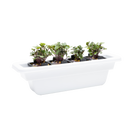
Hydroponic gardening is not hard for beginners, but it does have a short learning curve. Most new growers get their first harvest within 3 to 6 weeks once they dial in two key variables: nutrient solution pH (ideally between 5.5 and 6.5) and light duration (14–16 hours per day for most leafy greens). Start with a well-designed system and the process becomes straightforward fast.
Hydroponics is the practice of growing plants in nutrient-enriched water rather than soil. Because you control the environment directly — light, water, pH, and nutrients — there are fewer unknowns than outdoor gardening. That control is exactly what makes it beginner-friendly once you understand a handful of core concepts. This guide covers the real hydroponic learning curve, the time commitment for an indoor garden, and the beginner hydroponic mistakes most worth avoiding.
What Is the Hydroponic Learning Curve Actually Like?
The hydroponic learning curve is real, but it is shorter than most people expect. The first week or two is mostly about building habits: checking water levels, monitoring pH, and observing your plants for early signs of stress. After that, the routine becomes second nature.
The two concepts that trip up beginners most are pH and EC (electrical conductivity). pH measures how acidic or alkaline your nutrient solution is. EC measures the concentration of dissolved nutrients in that solution. Both numbers matter because plants can only absorb nutrients within specific ranges. A pH outside of 5.5–6.5 will lock out key minerals even when they are technically present in the water.
NASA's Veggie project, which has successfully grown leafy greens aboard the International Space Station since 2014, demonstrated that simplified hydroponic systems can be operated reliably even in high-stakes, low-margin-for-error environments. If the concept works in space, a well-engineered home system is well within reach for a new grower on the ground.
Modern all-in-one systems like the Personal Rise Garden are designed specifically to compress that learning curve. Built-in water reservoirs, pre-calibrated grow lights, and compatible seed pods remove most of the guesswork that used to make hydroponics feel intimidating.
How Much Time Does an Indoor Garden Actually Take?
The time commitment for an indoor garden is lower than most people assume. Once your system is set up, expect to spend roughly 5 to 10 minutes per day on active care: checking water levels, removing dead leaves, and making sure your light timer is running correctly. A deeper maintenance session — refreshing the nutrient solution, cleaning the reservoir — typically runs 20 to 30 minutes and happens every 1 to 2 weeks depending on your system size.
A 2020 study from the University of the District of Columbia found that urban hydroponic systems can produce up to 11 times more food per square foot than traditional soil growing — meaning you get a significant return on a modest time investment. That efficiency is one reason indoor growing has grown steadily in popularity for apartment dwellers and busy households alike.
For growers who want a larger harvest without dramatically more time, the The Rise Garden 3 holds up to 36 plants across three growing levels and uses the same simple weekly maintenance routine as a smaller unit. Scaling up your plant count does not proportionally scale up your effort.
What Are the Most Common Beginner Hydroponic Mistakes?
Knowing the common beginner hydroponic mistakes ahead of time is the fastest way to avoid them. Here are the ones that derail new growers most often:
- Ignoring pH drift. Nutrient solutions naturally shift in pH over time as plants absorb minerals. Check pH every 2 to 3 days at minimum. A simple digital pH meter costs around $15–$20 and pays for itself immediately.
- Overfeeding nutrients. More is not better. Too high an EC value causes nutrient burn — brown leaf tips and stunted growth. Follow the recommended dosage on your nutrients and increase only if plants show clear deficiency signs.
- Inconsistent lighting. Plants respond to light cycles. Irregular schedules confuse growth patterns. Use a timer and keep it consistent — 14 to 16 hours on, 8 to 10 hours off for most herbs and greens.
- Starting with difficult crops. Tomatoes and peppers are rewarding but demand more precision. Lettuce, basil, spinach, and kale are forgiving and fast-growing — ideal for building confidence before moving to fruiting plants.
- Skipping reservoir cleanings. Algae and bacteria build up in standing water. A clean reservoir every 1 to 2 weeks keeps your root zone healthy and your plants thriving.
Avoiding these five mistakes puts you well ahead of where most beginners start.
Which Hydroponic System Should a Beginner Choose?
The right starting point depends on your space and your goals. For a countertop setup that grows 9 to 12 plants with minimal footprint, the Personal Rise Garden is a practical first system. For growers who want to commit more seriously from day one without sacrificing aesthetics, The Rise Loft offers a furniture-grade design that fits naturally into a living space while supporting a full-scale grow.
Whichever system you choose, starting with compatible seed pods pre-loaded with proven varieties removes one more variable. You spend your energy learning the system, not troubleshooting germination rates.
According to the USDA, controlled environment agriculture — the category that includes indoor hydroponics — grew by more than 30 percent between 2019 and 2023 as more growers recognized the reliability advantages over outdoor soil gardening. That growth reflects real results, not hype.
Frequently Asked Questions
How long does it take to grow your first hydroponic harvest?
Most fast-growing leafy greens like lettuce and spinach are ready to harvest in 21 to 30 days from transplanting seedlings into your hydroponic system. Herbs like basil typically take 28 to 35 days. Starting with these varieties gives you a tangible result quickly while you build your skills.
Do I need special water for hydroponics?
Tap water works for most home hydroponic setups, but you should test it first. Ideal source water has a pH between 6.0 and 7.0 and a low starting EC so your nutrient additions have room to work. If your tap water is heavily chlorinated, letting it sit uncovered for 24 hours before use allows most chlorine to off-gas naturally.
Can I grow hydroponics without any experience in gardening?
Yes — in fact, many successful hydroponic growers have never grown anything in soil. Because hydroponics removes variables like soil quality, drainage, and outdoor pests, the system itself is more predictable than traditional gardening. A beginner who follows basic pH and nutrient guidelines can expect healthy plants from the first grow cycle.