To start an indoor hydroponic garden, you need a growing system, a light source (most plants need 14–16 hours of light per day), a nutrient solution, a way to monitor pH (ideal range: 5.5–6.5), and your seed pods or starter plants. A basic first-time indoor garden setup can run anywhere from $100 to $300 depending on system size. Here's the complete what-you-need-to-start-an-indoor-hydroponic-garden checklist.
Hydroponics is a method of growing plants in nutrient-rich water rather than soil. Because roots get direct access to dissolved minerals and oxygen, plants can grow up to 30% faster than their soil-grown counterparts, according to research cited by the USDA Agricultural Research Service. Knowing exactly what supplies you need before your first harvest makes the difference between a thriving setup and a frustrating one.
What Comes with an Indoor Garden System?
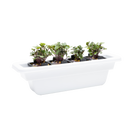
This is the first thing most first-time growers ask, and it depends on the system. A quality all-in-one system does most of the heavy lifting. The Personal Rise Garden is a compact countertop option that includes a built-in LED light panel, a water reservoir, and a seed pod tray—everything sized for herbs and greens in a small footprint. The The Rise Garden 3 scales up to three grow decks and is built for growers who want a continuous, full-size harvest year-round. For a living room or home office setting, The Rise Loft offers furniture-grade design with the same hydroponic performance, so it fits a modern space without looking like lab equipment.
Most complete systems include:
- A grow tray or reservoir
- A water pump or passive wicking system
- An integrated or attachable LED grow light
- A seed pod tray or net pot holders
- A starter kit of nutrients
What they typically do not include: a pH meter, a pH adjustment kit, and seeds. Those are the three items most first-time growers forget to add to their hydroponic starter supplies list.
What Supplies Do You Actually Need Beyond the System?
Once your system arrives, you'll need a small set of consumables and tools to get growing and keep plants healthy over time.
Seed Pods
Pre-seeded seed pods are the fastest way to start. They come with the growing medium already packed around the seed, so you skip the germination guesswork. Herbs like basil and cilantro typically sprout within 5–7 days; leafy greens like lettuce and kale take 7–14 days.
Nutrients
Hydroponic plants get 100% of their nutrition from the water. Nutrients dissolve directly into your reservoir and deliver the nitrogen, phosphorus, potassium, calcium, and trace minerals that soil would otherwise provide. You'll top off the reservoir and refresh the full solution roughly every 1–2 weeks, depending on plant load and water temperature.
pH Meter and Adjustment Kit
pH measures how acidic or alkaline your water is on a scale of 0–14. For most edible hydroponic plants, the sweet spot is 5.5–6.5. Outside that range, plants can't absorb nutrients efficiently even if the nutrients are present in the water—a condition called nutrient lockout. A basic digital pH meter runs $15–$30 and is non-negotiable for a stable first-time indoor garden setup.
EC or TDS Meter (Optional but Recommended)
Electrical conductivity (EC) and total dissolved solids (TDS) meters measure how concentrated your nutrient solution is. Most leafy greens thrive at an EC of 1.2–2.0 mS/cm. This tool helps you avoid over- or under-feeding, especially as your plants mature and drink more.
Pruning Scissors
Small, clean scissors let you harvest leaves without disturbing roots, trim dead growth, and keep airflow moving through dense canopies.
How Much Does It Cost to Set Up an Indoor Hydroponic Garden?
Startup costs break down into three buckets: the system, the consumables, and the tools.
- System: $100–$300+ depending on size and features
- Nutrients (first bottle): $15–$25, lasts 2–3 months for a small system
- Seed pods (starter pack): $15–$30 for 10–20 pods
- pH meter + adjustment solution: $20–$40
- EC/TDS meter: $10–$20
Total first-time investment typically lands between $160 and $415. After that, ongoing costs are mostly nutrients and seed pods—usually $20–$40 per month for a medium-sized system running at full capacity.
NASA's Veggie project, which developed hydroponic systems for the International Space Station, found that closed-loop hydroponic setups use up to 98% less water than traditional soil farming. That efficiency translates to your home setup: your reservoir recirculates water, so you're topping off rather than watering daily.
Quick-Reference Hydroponic Starter Supplies List
Print this or save it before you order:
- ☐ Hydroponic garden system (with reservoir, light, and pump)
- ☐ Seed pods for your preferred crops
- ☐ Liquid nutrient solution
- ☐ Digital pH meter
- ☐ pH Up and pH Down adjustment bottles
- ☐ EC or TDS meter
- ☐ Distilled or filtered water (tap water above 200 ppm TDS can skew readings)
- ☐ Pruning scissors
- ☐ A notebook or app to log pH, EC, and planting dates
That's the full list. Nine items. Most experienced indoor growers agree that consistent pH monitoring alone accounts for the majority of common plant health problems in a new setup—keep that meter handy.
Frequently Asked Questions
Do I need a grow light if I have a sunny window?
Most edible plants need 14–16 hours of light per day at sufficient intensity—something very few windows can provide consistently, especially in fall and winter. A dedicated LED grow light, like the ones built into Rise Gardens systems, delivers the right spectrum and duration automatically, so you're not dependent on weather or season.
How often do I change the water in a hydroponic system?
You'll top off the reservoir with fresh, pH-balanced water as levels drop—usually every 2–4 days for a fully planted system. A full reservoir change (drain and refill with fresh nutrient solution) is recommended every 1–2 weeks to prevent salt buildup and keep nutrient ratios accurate.
Can I start with any seeds, or do I need special hydroponic seeds?
The seeds themselves are not different—any variety can grow hydroponically. The difference is the growing medium. Pre-loaded seed pods include a rockwool or sponge medium designed to wick water while keeping the root zone oxygenated. If you use bare seeds, you'll need to source a compatible growing medium separately and ensure it stays consistently moist without becoming waterlogged.